Get your free personalized podcast brief
We scan new podcasts and send you the top 5 insights daily.
Zalando leveraged its extensive European logistics footprint, initially built for its B2C business, into a new B2B revenue stream. Brands can now use this infrastructure to manage their own e-commerce fulfillment across the continent, avoiding massive CapEx and gaining network benefits.

Related Insights
Instead of mirroring Amazon’s capital-intensive, fully-owned logistics network, MercadoLibre adopted a flexible hybrid model. It owns the core infrastructure but partners with local services for last-mile delivery, achieving speed and reliability without the massive capex burden.

Baby2Baby chose a B2B-like model, supplying partner organizations rather than individual families. This avoided the complex logistics of direct service, enabling them to reach vastly more people and scale their operations efficiently by leveraging existing community infrastructure.

Zalando didn't try to stock everything at once. They first targeted very specific, high-intent searches like "Adidas Zamba size 46." Winning these allowed them to build capital and inventory to then capture broader searches for brands, categories, and eventually entire markets, creating a scalable growth loop.
In markets with poor infrastructure, such as Southeast Asia's incomplete address systems, building proprietary logistics is a key differentiator. Sea assigned its best talent to solve this "hard problem," creating a sustainable advantage over competitors by owning the customer experience from click to delivery.

Zalando created a feature that mines its sales and search data to show consumers and brands what items, styles, and colors are trending in specific cities like Berlin or Paris. This provides valuable, real-time market intelligence for brands and an engaging discovery tool for shoppers, externalizing data as a product.
A seemingly ideal B2C partnership with DoorDash failed due to a poor customer profile (frugal drivers, high urgency). This failure was the catalyst for pivoting to B2B fleets, which dramatically increased their average order value from $800 to $4,000 and improved operational efficiency.

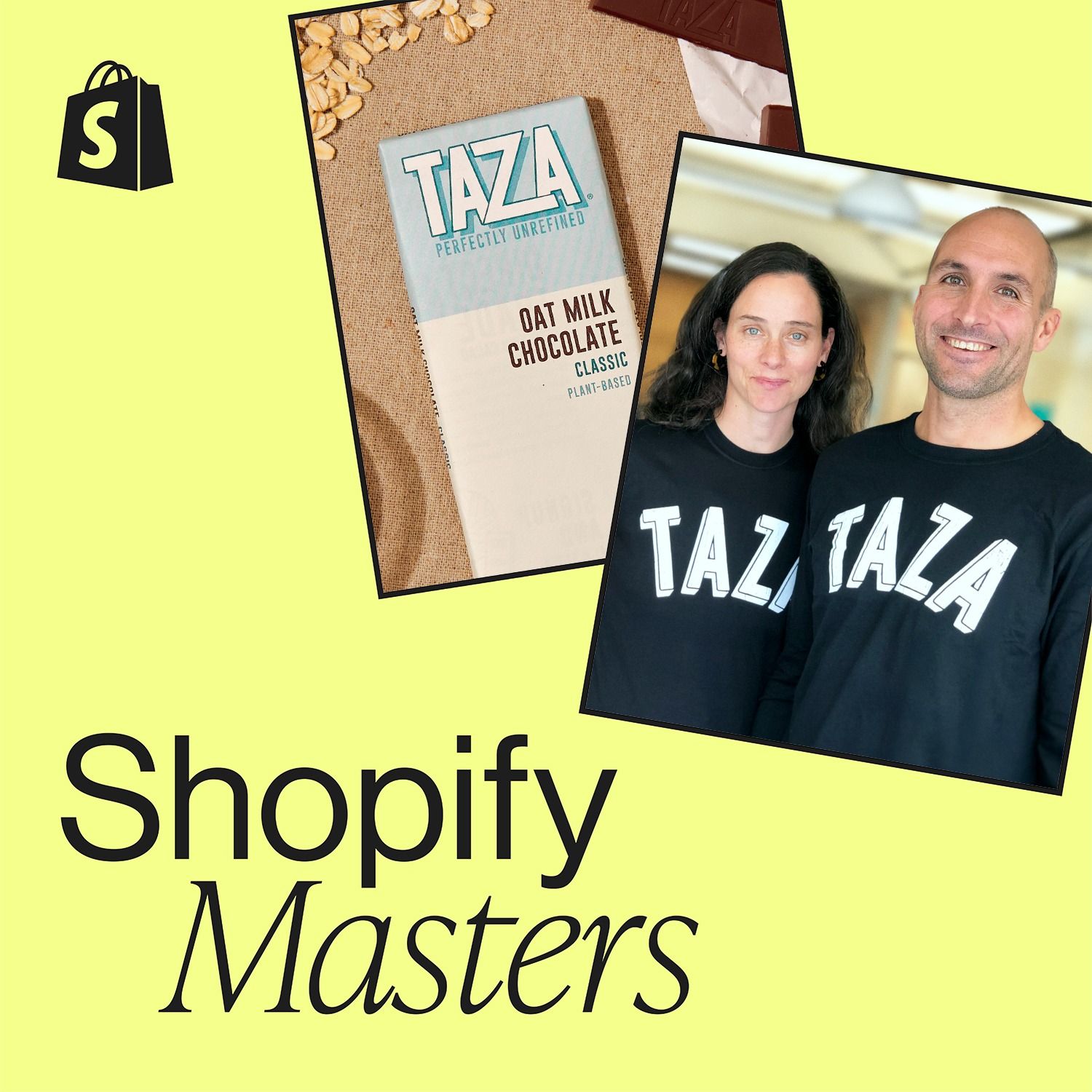
Faced with fluctuating consumer demand, Taza diversified into B2B services like co-manufacturing and private label. This strategy kept their factory machinery utilized and staff employed, creating a stable operational and financial foundation that de-risked their more volatile branded business.
Instead of competing with giants like Airbnb in a capital-intensive B2C market, Lodgerin targets institutions like universities and corporations. This B2B approach provides a more financially sustainable path to growth by focusing on service quality rather than burning cash on mass-market customer acquisition.

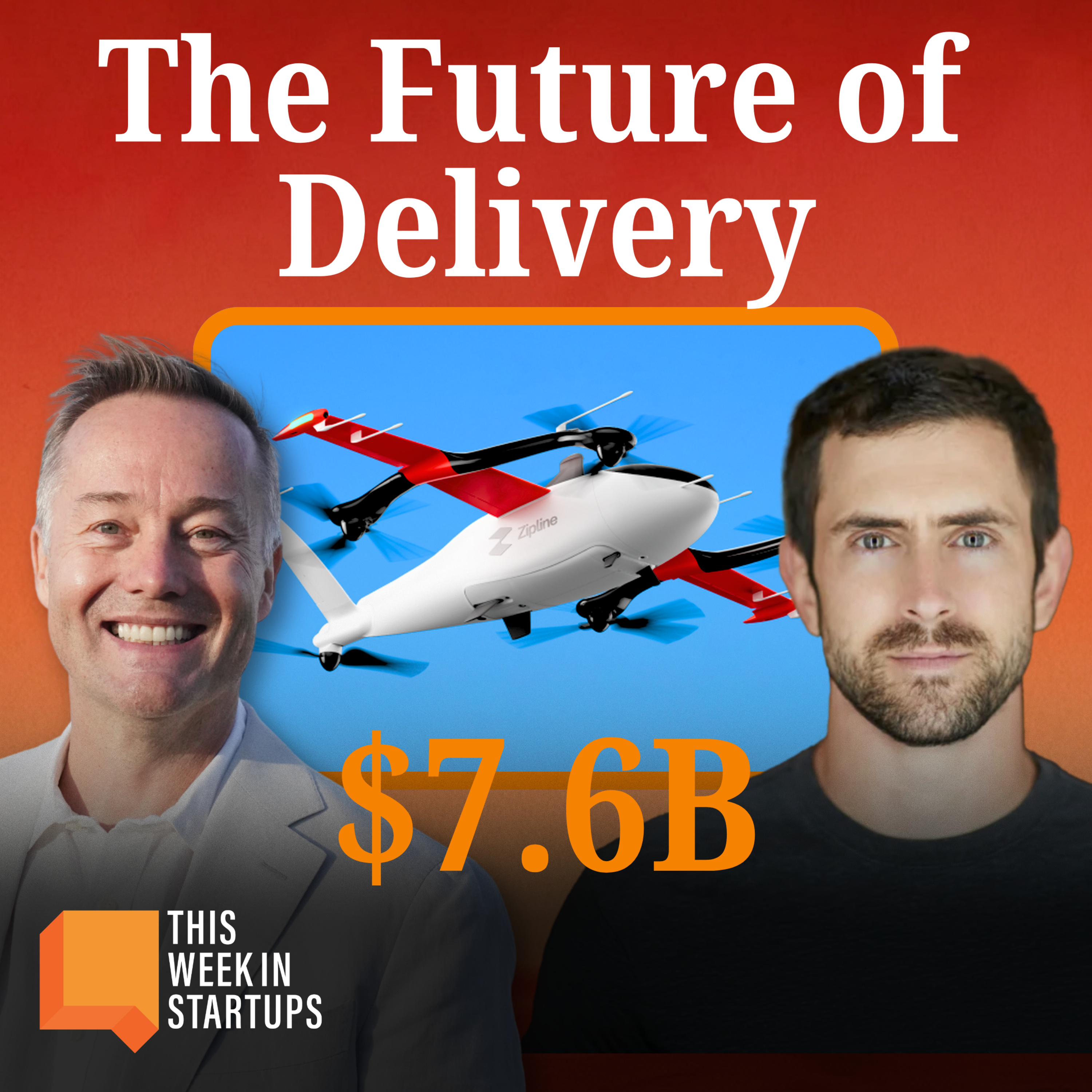
Zipline abstracts away all operational complexity (FAA regulations, maintenance, flight ops) and pitches a simple, powerful outcome to partners like Walmart: an instant delivery portal installed in their wall.
Deliver's founder admits their logistics model (distributed inventory) wasn't a unique insight; Amazon had already mastered it. The true innovation was recognizing that the rise of Shopify created a new, underserved market of small merchants. By aggregating their inventory, Deliver could offer them Amazon-level fulfillment infrastructure.
