Get your free personalized podcast brief
We scan new podcasts and send you the top 5 insights daily.
Using the example of banana-flavored Runts candy, a product that is polarizing or disliked by many can create a unique market opportunity. Those who enjoy the unpopular item become avid consumers, allowing for advantageous "trading" where they acquire the unwanted supply for cheap.

Related Insights
Unattractive or morbid business ideas, such as cemetery management software, often face less competition. This lack of saturation means entrepreneurs willing to enter these "grim" niches have a higher probability of financial success and market capture.

Large companies often focus R&D on high-ticket items, neglecting smaller accessory categories. This creates a market gap for focused startups to innovate and solve specific problems that bigger players overlook, allowing them to build a defensible niche.

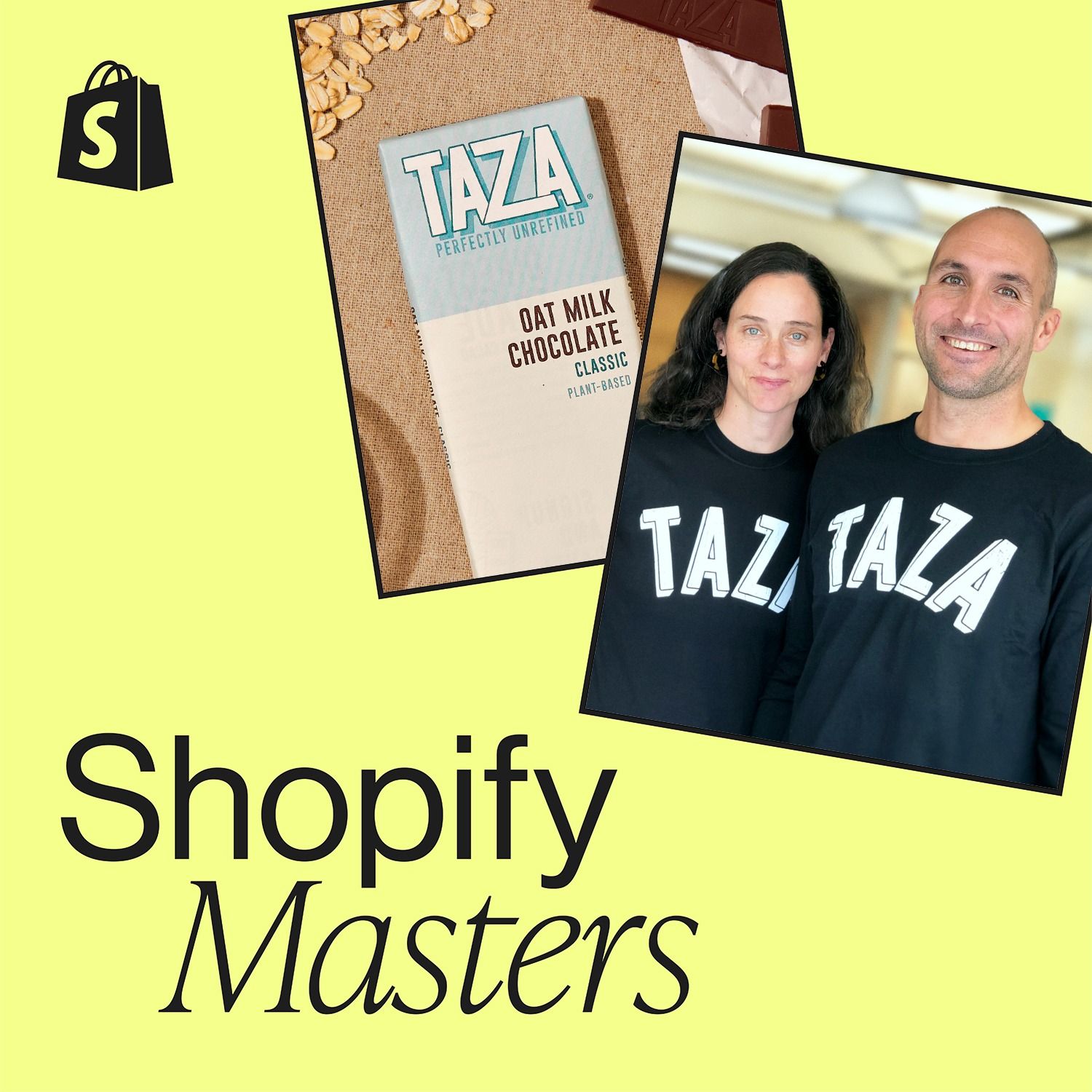
In a market dominated by corporations, Taza found a defensible niche by making a "polarizing" stone-ground chocolate. This strategy of appealing intensely to a core group, rather than pleasing the mass market, was key to their survival and success as a small business.
Starbucks' limited-edition items, like a "bearista" cup selling for $500 on eBay, create massive hype through engineered scarcity. This strategy shows that for certain brands, limited-run physical goods can be a more potent marketing tool than the core product itself, fostering a collector's frenzy and a lucrative secondary market.

Brands perceived as "corny" or "outdated" can be highly successful. They cater to a massive, loyal market that tastemakers and the "chattering class" often ignore, proving that broad appeal can be more profitable than being "cool."

The success of reselling Buc-ee's snacks highlights a powerful model: find a beloved brand with high regional demand but no online store. By building an unofficial e-commerce front, you serve a passionate, built-in customer base that has no other way to purchase online, effectively becoming their outsourced e-commerce arm.

A perceived product flaw can be a primary value proposition for a different type of customer. For example, a diffuse global audience, useless to local venues, becomes a powerful asset for organizations aiming for international reach, unlocking a new market.

A ban on a product or activity, like pickleball, can generate significant positive attention and increase consumer demand. By making something feel rebellious or forbidden, a ban creates an allure that traditional marketing can't replicate, as seen with brands like Uber and Red Bull.
The "Kabuto King" strategy involves systematically buying every available unit of a common, low-value collectible. This manufactured scarcity, combined with social media promotion to create a meme, can dramatically drive up the price, turning a forgotten item into a valuable asset.

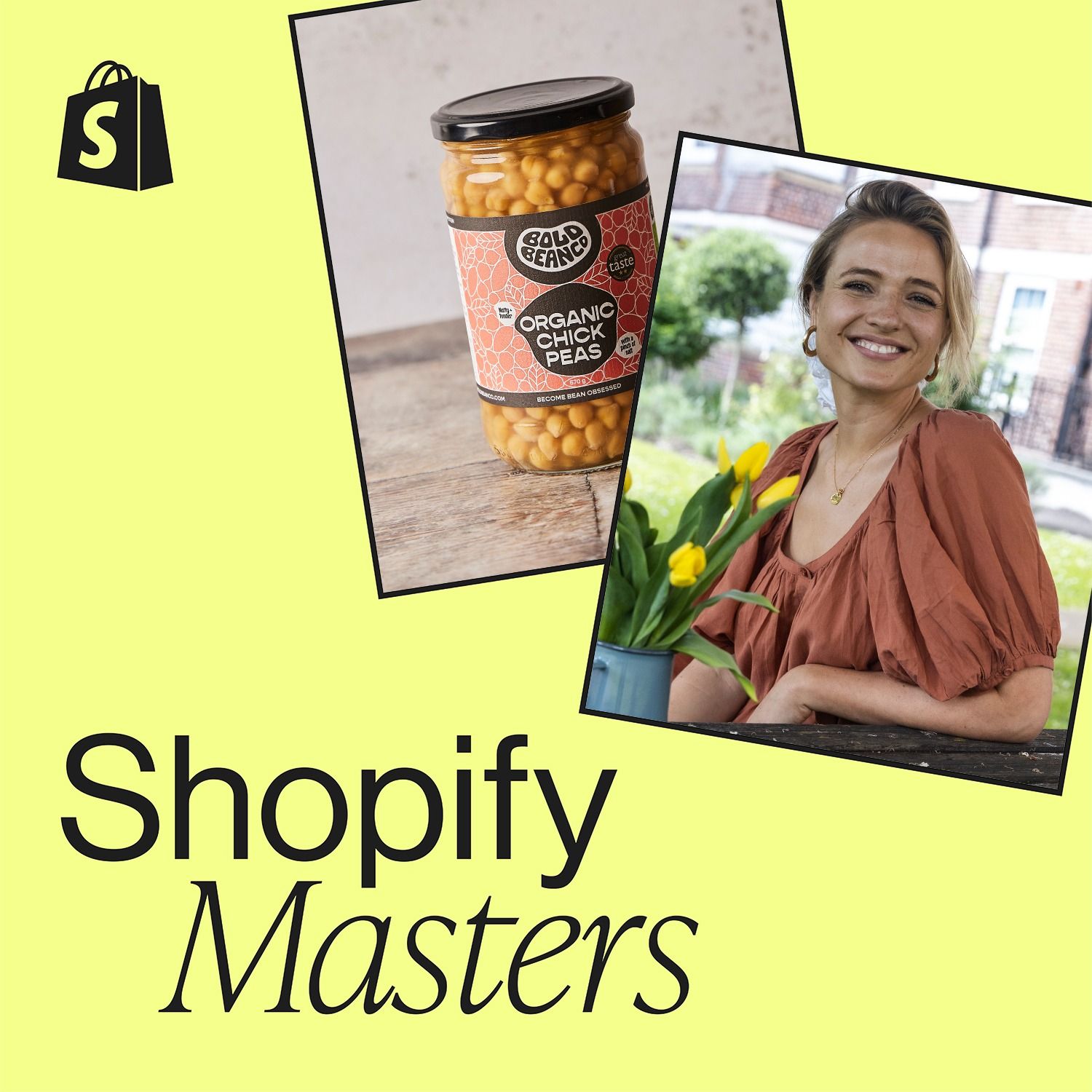
Bold Bean Co. found that creating a premium product in a "forgotten, dull" category like beans was a strategic advantage. The novelty makes consumers talk. People find it entertaining to become obsessed with beans, generating more word-of-mouth than launching yet another premium chocolate brand.