Get your free personalized podcast brief
We scan new podcasts and send you the top 5 insights daily.
The success of reselling Buc-ee's snacks highlights a powerful model: find a beloved brand with high regional demand but no online store. By building an unofficial e-commerce front, you serve a passionate, built-in customer base that has no other way to purchase online, effectively becoming their outsourced e-commerce arm.

Related Insights
Vaynerchuk's go-to-market plan for his Very Lucky gummies deliberately avoids traditional retail at launch. Instead, he will focus exclusively on direct-to-consumer sales through live shopping platforms like TikTok Shop and Whatnot. This strategy leverages hype and community to build initial traction and demand before engaging with conventional distribution channels.

For emerging brands, the path to retail shelf space is indirect. Instead of pitching buyers, focus on building a powerful direct-to-consumer (DTC) business and capturing the attention of younger demographics online. Retailers, desperate to attract these consumers, will then come to you.
The modern collectible ecosystem is supercharged by a liquid and accessible secondary market (eBay, StockX, live shopping). This 'Flip Life' culture means many customers buy not just to own but to resell. This creates urgency and demand for the initial product release, amplifying the campaign's reach at no extra cost.
Instead of relying solely on paid ads, a niche e-commerce brand can partner with micro-creators in its vertical. This creates an ambassador network that provides both a powerful sales channel and predictive data on which products will perform best.

The collectibles market is becoming a major lifestyle genre. Brands can capitalize on this by offering a limited-edition collectible with a purchase, which customers might resell on eBay. This creates buzz and drives demand for the primary product.
A powerful first move for a new brand is leveraging community-driven affiliate platforms. By getting the product into the hands of engaged creators in relevant communities, a brand can build authentic word-of-mouth and generate multi-million dollar revenue before ever investing in traditional CRM or paid media channels.

Toy company Randomals found its breakout success not in traditional toy stores, but with Ripley's Believe It or Not museums. The quirky, odd nature of the products was a perfect fit for Ripley's audience, leading to massive orders. This shows the power of finding a distribution channel that perfectly matches a brand's unique identity.

Dropshipping isn't the end goal. Use it to validate product-market fit with low capital risk before investing heavily in inventory and building a sustainable brand. This reframes the business model from a quick cash grab to a strategic first step for e-commerce entrepreneurs.

Noticing her original cookbook was reselling for $500 on eBay, Martha Stewart identified clear, unmet market demand. Instead of letting resellers capture that value, she republished the book herself. This is a low-risk strategy for creators to use secondary market activity to validate demand and capture revenue from their back catalog.

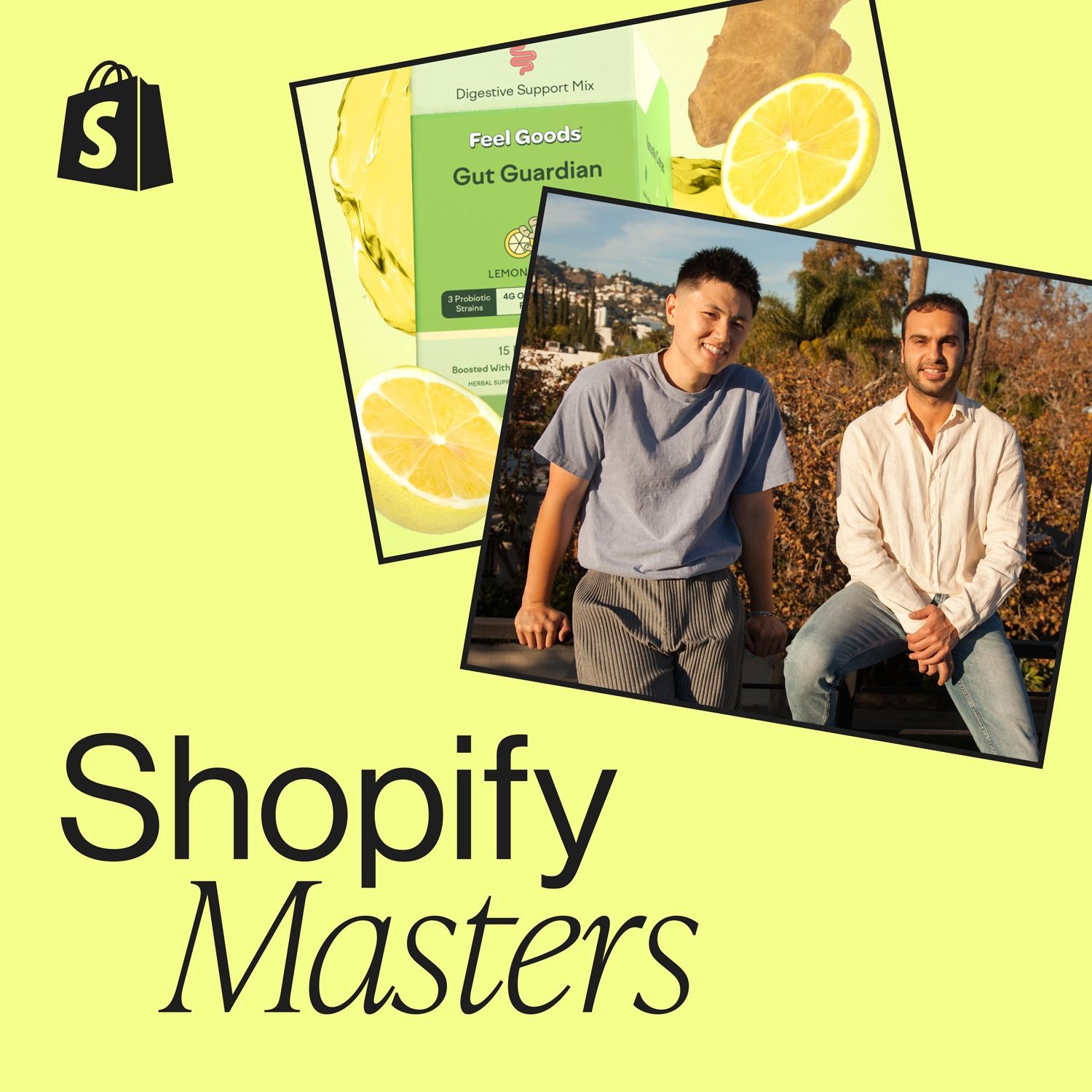
Despite opportunities, Feel Goods has passed on retail launches. Their strategy is to first build a "massive community" and brand recognition through direct-to-consumer channels, ensuring pre-existing demand when they eventually enter stores for a higher chance of success.