Get your free personalized podcast brief
We scan new podcasts and send you the top 5 insights daily.
A serendipitous, unscripted video of the founder's 101-year-old mother shopping went viral with 10 million views, becoming a top influencer moment for Peter Thomas Roth. This demonstrates that authentic, family-centric content can be a more powerful brand storytelling tool than highly-strategized and paid influencer campaigns.

Related Insights
Breeze's most effective ads are raw, unedited videos of the founder. In one example, he filmed himself calling a customer to refund their $560 order after a coin flip. That single ad cost $560 to make but generated an estimated $500,000 in sales, proving authenticity trumps production value.

Contrary to the belief that businesses must appear flawless, sharing behind-the-scenes struggles and unpolished content can build stronger community and loyalty. This raw authenticity resonates more with audiences than a curated image, humanizing the brand and making customers feel like part of the journey.
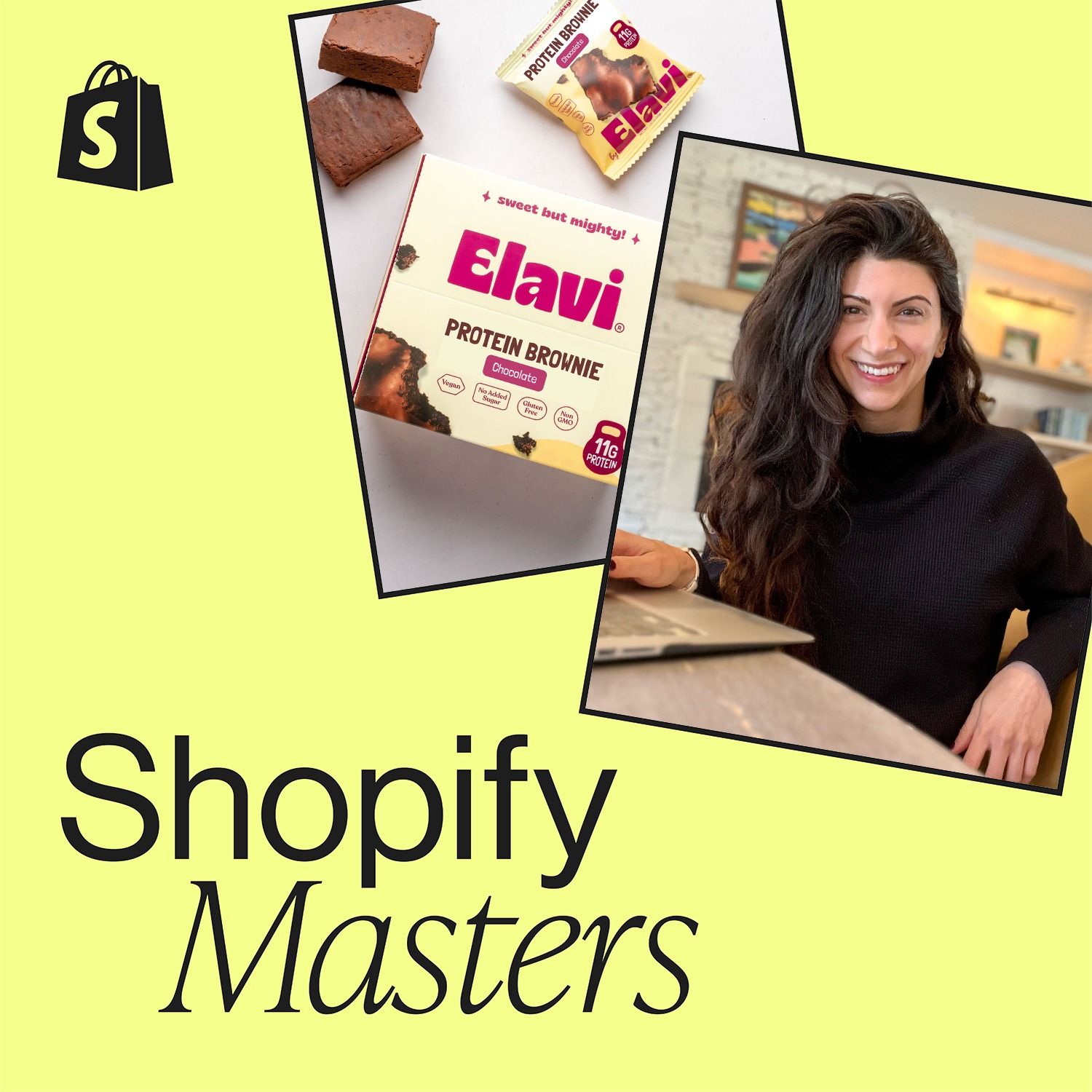
Gymshark's initial influencer success wasn't a calculated campaign. It was born from genuine fandom; they sent products to YouTubers they personally admired. This authentic, non-transactional approach built real community trust long before influencer marketing became a formalized, paid industry.

Peter Thomas Roth's number one eye product was nearly discontinued before a single viral TikTok video caused it to sell out nationwide. This shows how unpredictable consumer-generated content can be a powerful, brand-altering force, completely changing a product's trajectory and shifting a company's entire view of influencer marketing.
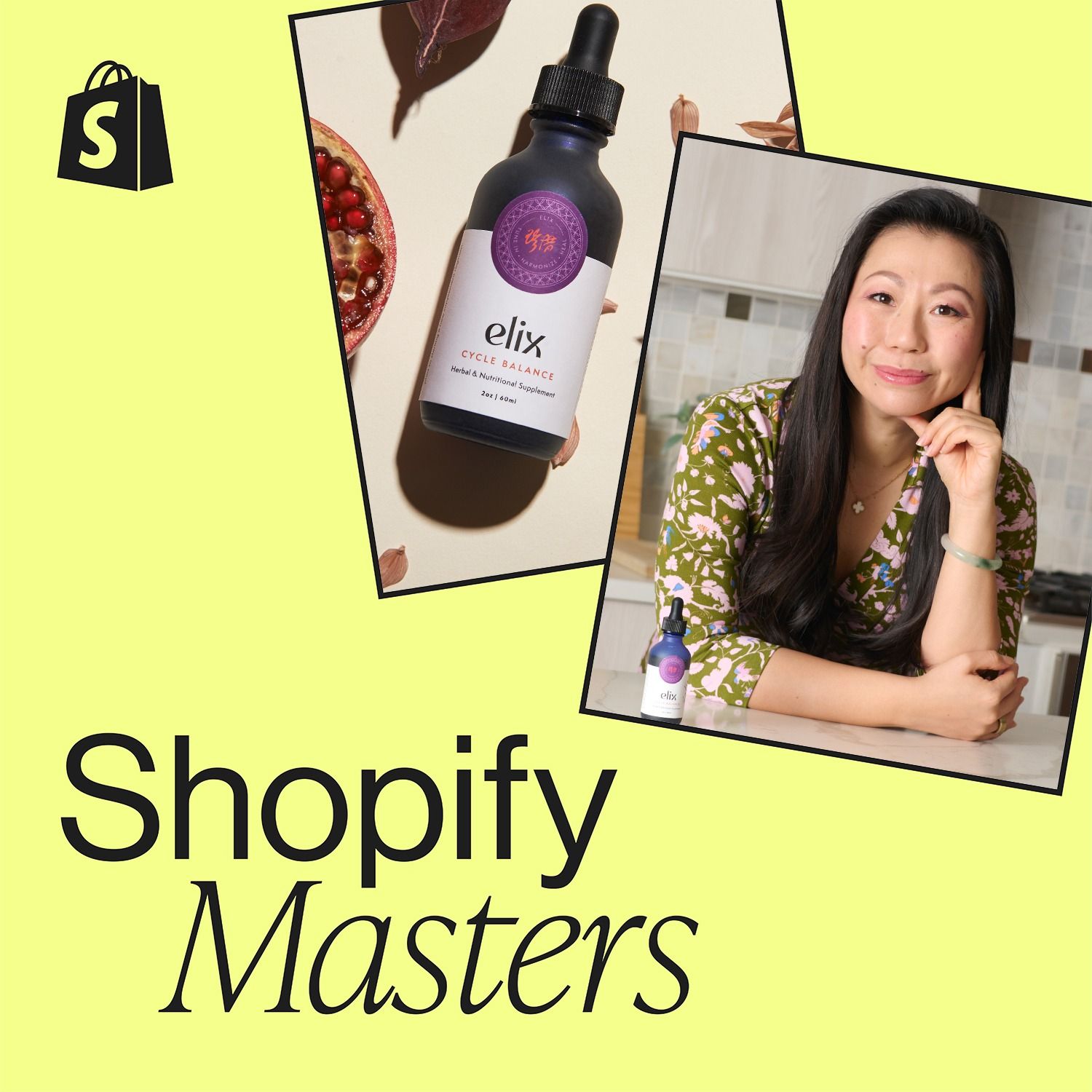
Elix founder Lulu Ge's authentic, personal TikTok videos, initially an experiment, became a key acquisition channel. Customers acquired through her organic content have the highest lifetime value (LTV), demonstrating the power of founder-led content in building deep brand connection and loyalty.
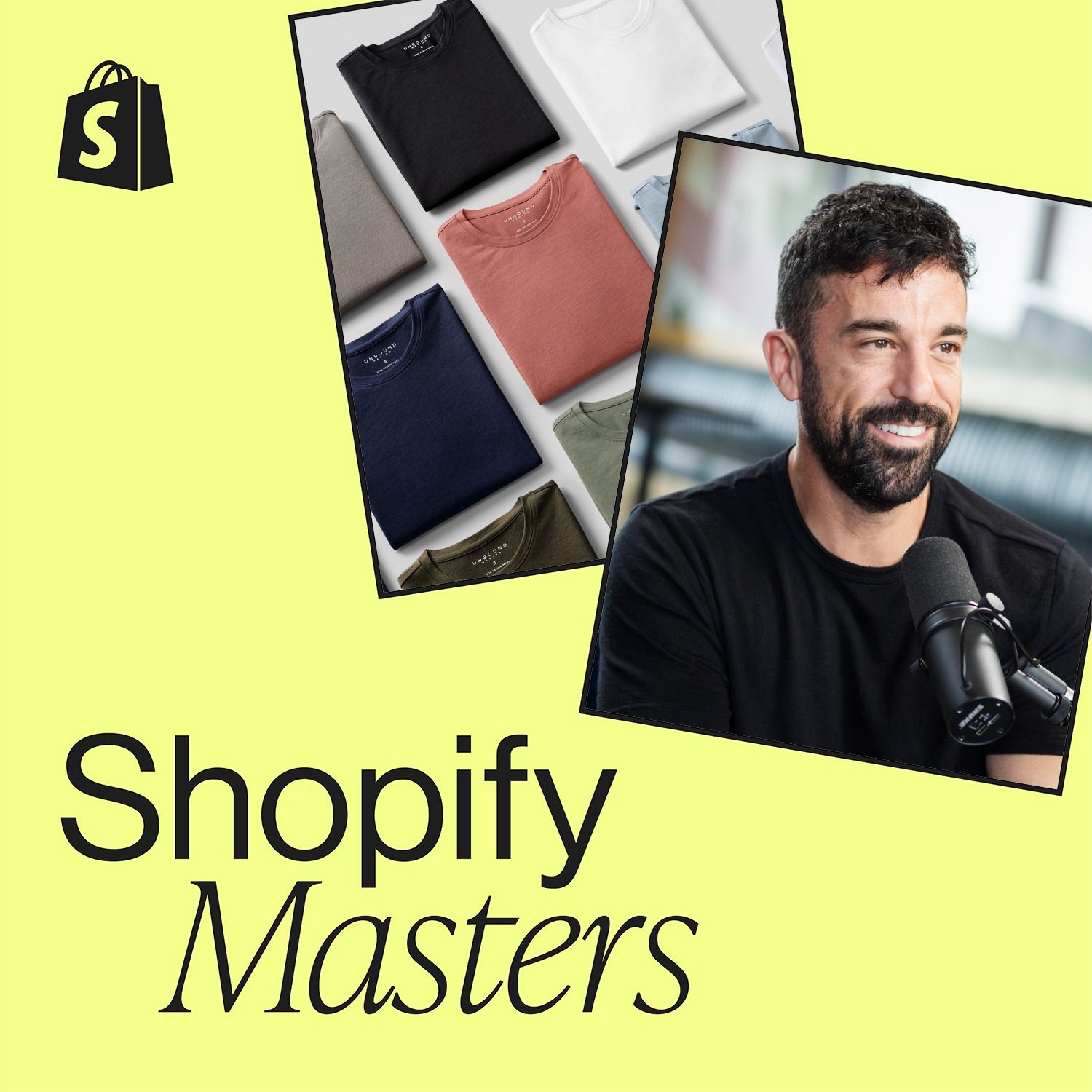
The CEO of Unbound Merino found that his most polished, creative ads often underperformed. Conversely, ads he felt were cheesy or made him uncomfortable—specifically, founder-led videos—were highly effective, showing that authenticity can trump production value.
Hint Water's ad costs dropped after they promoted an article about the founder's story. The emotional narrative resonated so strongly that even non-customers shared it, effectively acting as a volunteer sales force. This builds brand equity beyond simple product features and discounts.

A brand's own marketing narrative is never as powerful as its customers' authentic stories. The core of advocacy and influencer marketing is facilitating opportunities for satisfied customers to share their positive experiences, as their voice carries more weight and credibility than any corporate message.

Mrs. Meyer's founder Monica Nassif stopped trying to media-train her mother, the brand's namesake. Allowing her to be unfiltered and authentic, while initially mortifying, created a more compelling and relatable brand persona that reporters and customers loved. Sometimes, letting go of control yields better results.
Co-founder Sarah Foster reveals that micro-influencers with authentic, engaged audiences have been far more effective at driving sales than celebrities with millions of followers. This highlights the superior ROI of niche creators who have built genuine trust within their communities, proving reach doesn't always equal results.
