Get your free personalized podcast brief
We scan new podcasts and send you the top 5 insights daily.
As a founder, you'll likely experience a predictable social journey. First, people dismiss your ambition. Then, they diminish your early efforts. Once you gain traction, they become fans asking for perks. Finally, they claim they supported you all along. Understanding this pattern helps you ignore the need for external validation.

Related Insights
Early-stage founders must actively curate their social circles. Friends or family who exhibit 'tall poppy syndrome'—mocking entrepreneurial aspirations or viewing them with cynicism—can be a significant drag. Surrounding yourself with optimistic people who are also 'winning' is crucial for momentum.

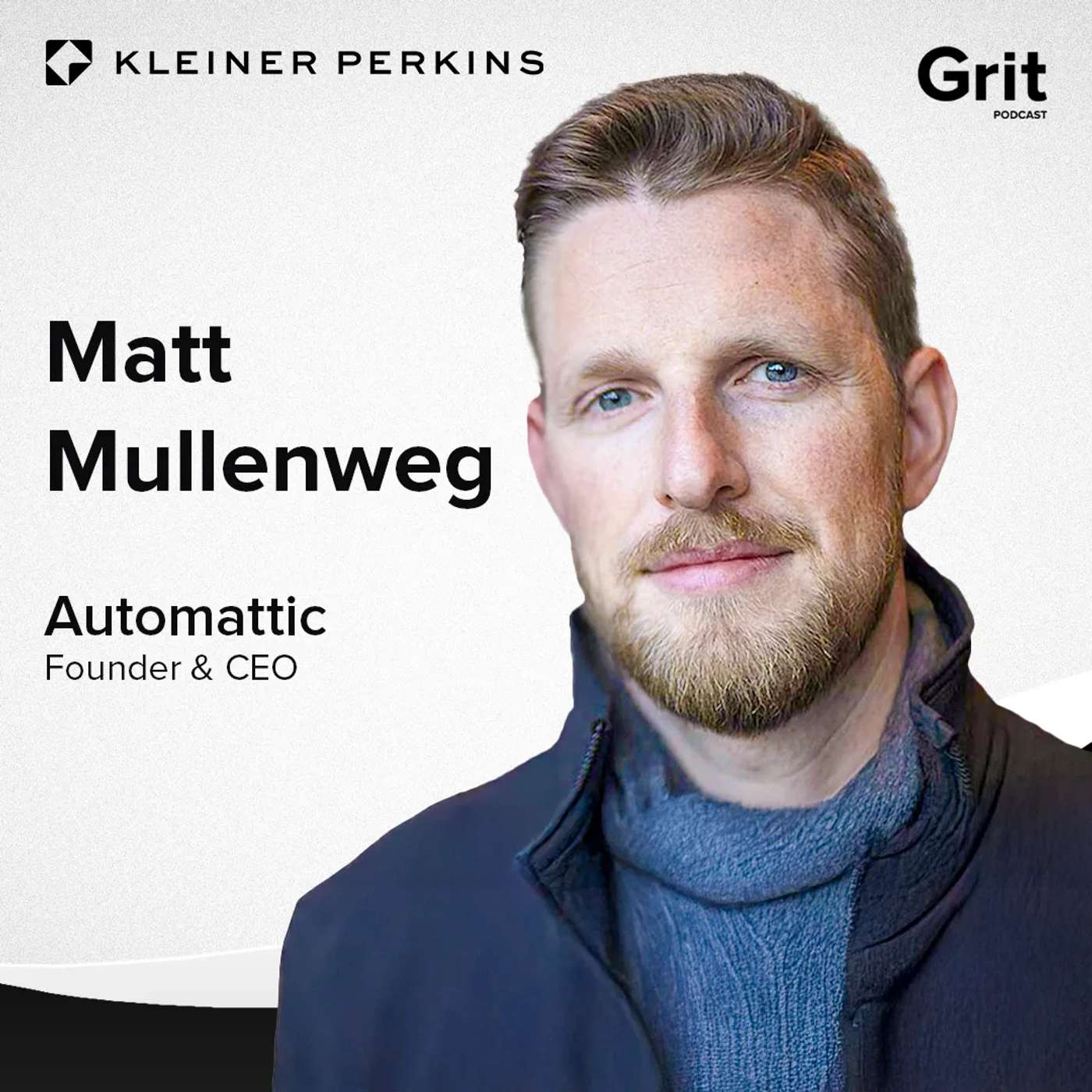
Matt Mullenweg notes that entrepreneurs inevitably cycle between being celebrated and vilified. Surviving this requires ignoring the noise and focusing on core principles and customers, recognizing even today's tech giants faced similar periods of extreme negative sentiment.
The most vitriolic critics of your startup are almost never successful founders. People 'in the arena' understand the struggle and offer constructive feedback. Detractors are often 'in the stands,' tearing others down because they haven't experienced the challenges of building something worthwhile.
Your personal circle signed up for a relationship, not to be your customer base. Relying on them for sales or engagement is unsustainable and emotionally draining. Focus instead on finding genuine fans and customers online.

Entrepreneurs often believe their biggest fear is judgment from anonymous internet users. However, the real psychological barrier is the anticipated criticism or misunderstanding from their close friends and family. These are people who are unlikely to ever be customers, yet their opinions are given disproportionate weight.

A-level talent won't work for an unproven venture. Therefore, the entrepreneurial journey is a process of creating proof—through sales, product success, and personal reputation—that allows you to earn the right to attract the top-tier team members necessary to scale to the next level.
