Get your free personalized podcast brief
We scan new podcasts and send you the top 5 insights daily.
NEOM's in-store "scent discovery test" is a diagnostic tool, not a sales pitch. A customer's subconscious attraction to certain essential oils reveals their true underlying need (e.g., stress), which may differ from their perceived problem (e.g., poor sleep). This creates a powerful, personalized, and often emotional connection.

Related Insights
To explain the complex issue of "hard water," Hello Klean avoids technical jargon. Instead, they ask customers a simple question: "Has your hair and skin felt different on vacation?" This anchors the problem in a personal, memorable experience, creating an instant "aha" moment and making their solution's value obvious.
When creating an immersive pitch, smell is often overlooked. A bad smell can create a negative subconscious impression, while a pleasant aroma like fresh coffee can make an audience more receptive. Controlling the scent of a meeting room is a subtle but powerful way to score points with a prospect.

NEOM's product expansion isn't driven by trend-chasing. Instead, founder Nicola Elliott identifies gaps in a person's "AM to PM" wellness routine, often drawing from her own life changes. This lifestyle-first approach ensures new products are authentic and solve real user problems.
To create deep emotional connections and drive behavior, systematically engage customers' senses, especially smell. IKEA, a non-luxury brand, deliberately appeals to all five senses (e.g., smell of meatballs, touching fabrics) to drive impulse buys, proving this strategy works for any business.

Companies like Bath & Body Works are moving beyond visual marketing by infusing physical spaces with signature scents. This "scent-a-gration" leverages the powerful link between smell and memory to create deep, lasting brand associations in high-traffic areas.

Marketers over-index on visuals, but other senses are more powerful. The brain processes sound 1,000 times faster than images, making audio branding potent. Scent is our most primal sense, bypassing logic to connect directly with deep memories and emotions, capable of boosting sales by 41% without the shopper even noticing.

Instead of just positioning a solution, define and name a problem your audience didn't know they had. This creates a powerful need for what you offer, as seen with concepts like Seth Godin's 'The Dip' or Febreze's 'Nose Blindness.'

After diagnosing a technical issue (e.g., a hot room), pivot questioning to understand its impact on the people involved ("Who lives in that room? How does that make you feel?"). This second layer of discovery uncovers the emotional driver for the purchase, creating urgency where logic alone cannot.

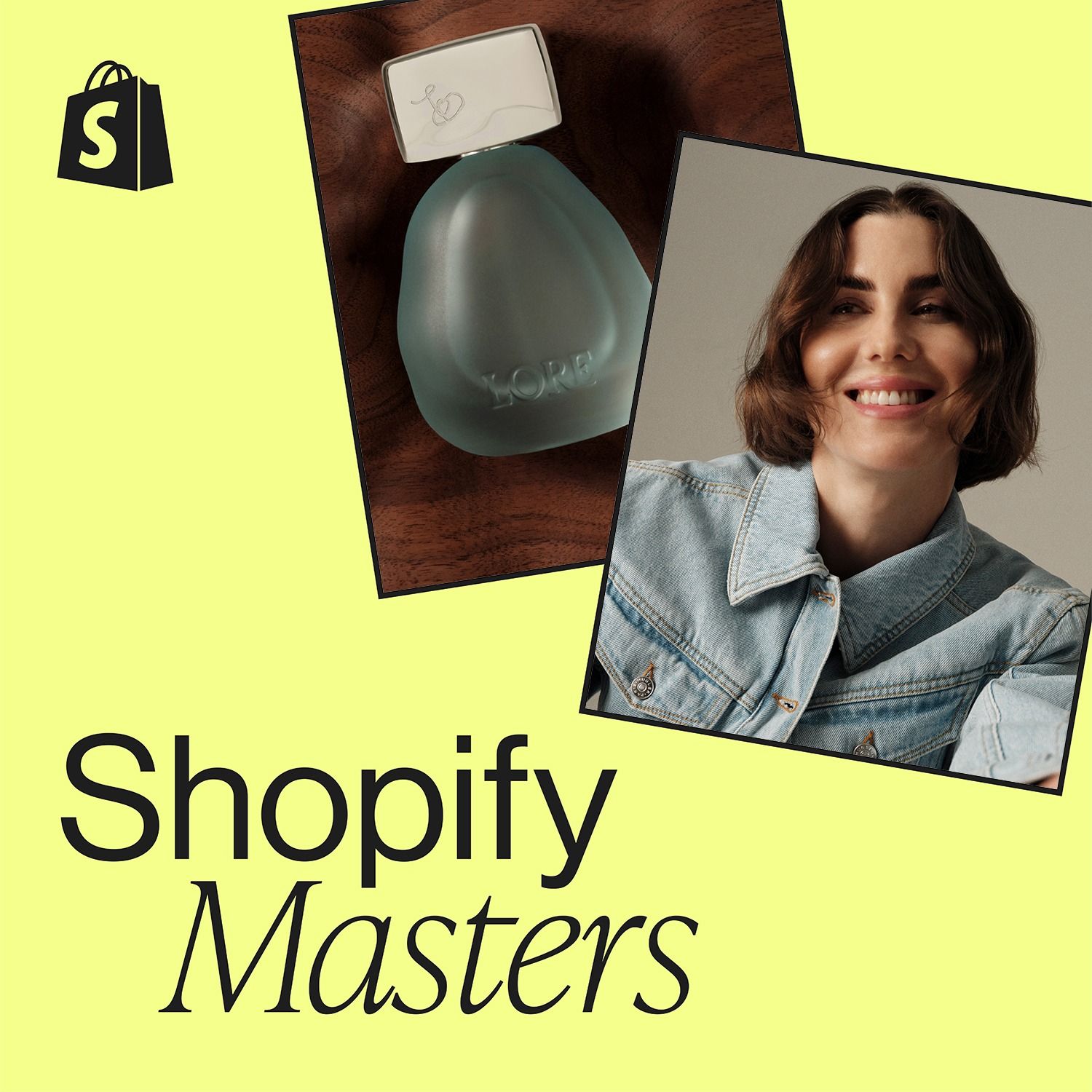
To market fragrance online, Lore sells the feeling, not just the scent notes. By sharing the personal story behind a scent, the brand creates an open invitation for consumers to connect their own powerful memories, making an invisible product emotionally tangible.
Move beyond listing features and benefits. The most powerful brands connect with customers by selling the emotional result of using the product. For example, Swishables sells 'confidence' for a meeting after coffee, not just 'liquid mouthwash.' This emotional connection is the ultimate brand moat.
