Get your free personalized podcast brief
We scan new podcasts and send you the top 5 insights daily.
Stopping all new AI model training wouldn't crash the economy. There is a huge 'product overhang' where immense growth can still be realized simply by integrating and mastering the capabilities of current models across industries.

Related Insights
The scenario where AI automation leads to a recession is economically incoherent. A recession requires a shrinking productive frontier, but AI creates an abundance shock. For this to cause negative growth, wealth holders would have to irrationally stop all consumption and, crucially, all investment.

The rapid release of ever-smarter AI models is outpacing the average developer's and business person's ability to leverage the incremental gains. This suggests future competition will shift from raw intelligence to speed, cost, and usability, as users have hit a saturation point for absorbing new capabilities.

Framing an AI development pause as a binary on/off switch is unproductive. A better model is to see it as a redirection of AI labor along a spectrum. Instead of 100% of AI effort going to capability gains, a 'pause' means shifting that effort towards defensive activities like alignment, biodefense, and policy coordination, while potentially still making some capability progress.
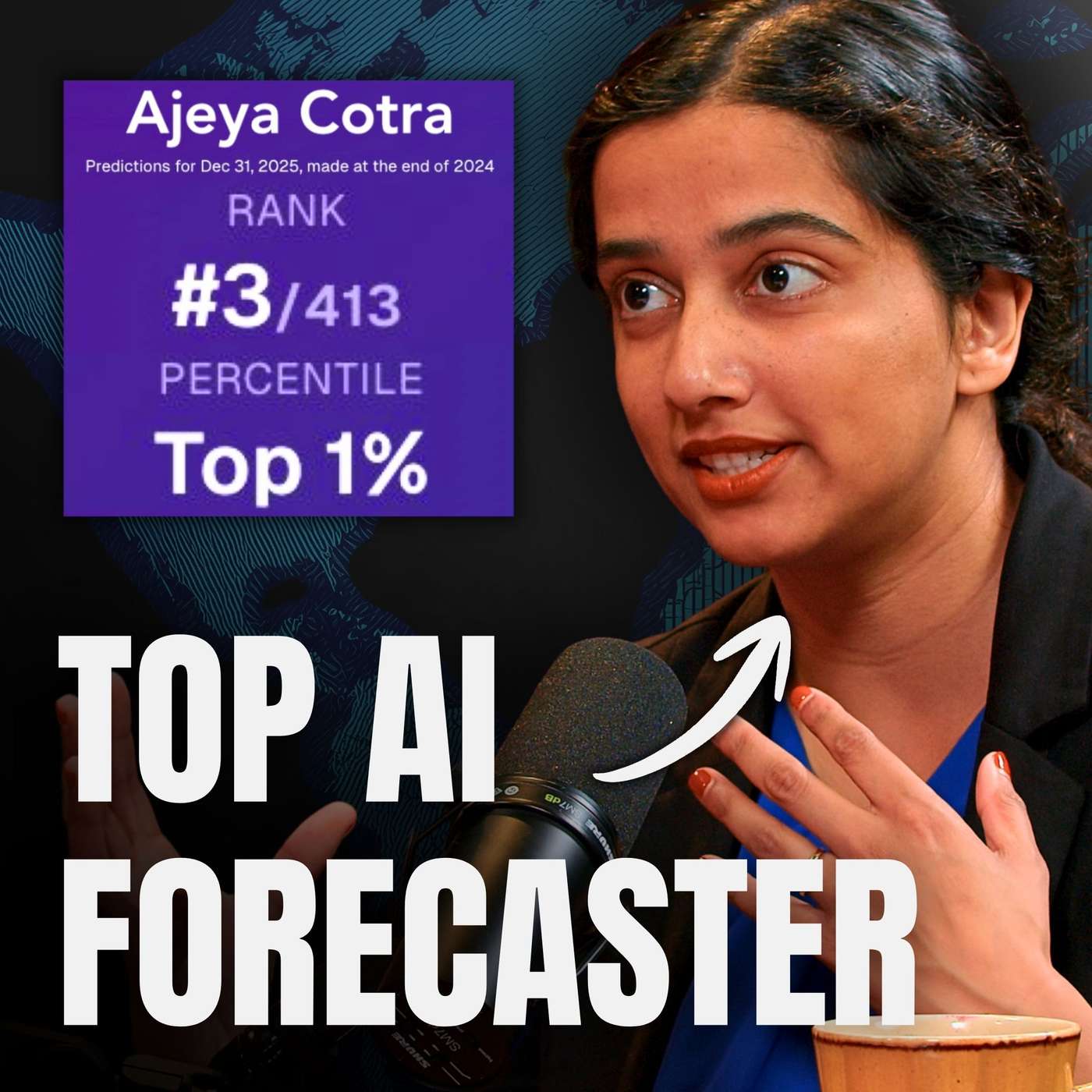
Even if model development stopped today, it would take up to a year to fully discover and utilize the existing latent capabilities. This "capability overhang" means the gap between what an AI can do and what we know how to make it do is massive, representing a huge opportunity.

Even if AI progress stopped today, it would take 10-20 years for the economy to fully absorb and implement current capabilities. This growing gap between what's technologically possible and what's adopted in the market creates a massive, long-term opportunity for innovators.

While AI capabilities advance, OpenAI's Chief Economist argues the next productivity step-change will stem from widespread adoption of existing tools. Many powerful features, like agentic workflows, are underutilized, meaning huge gains are possible with current technology.

Obsessing over the next AI model is a distraction. Arvind Jain argues that even if model innovation stopped today, there are five years of massive growth ahead just from better applying existing capabilities. The real work is building valuable products on top of today's technology.
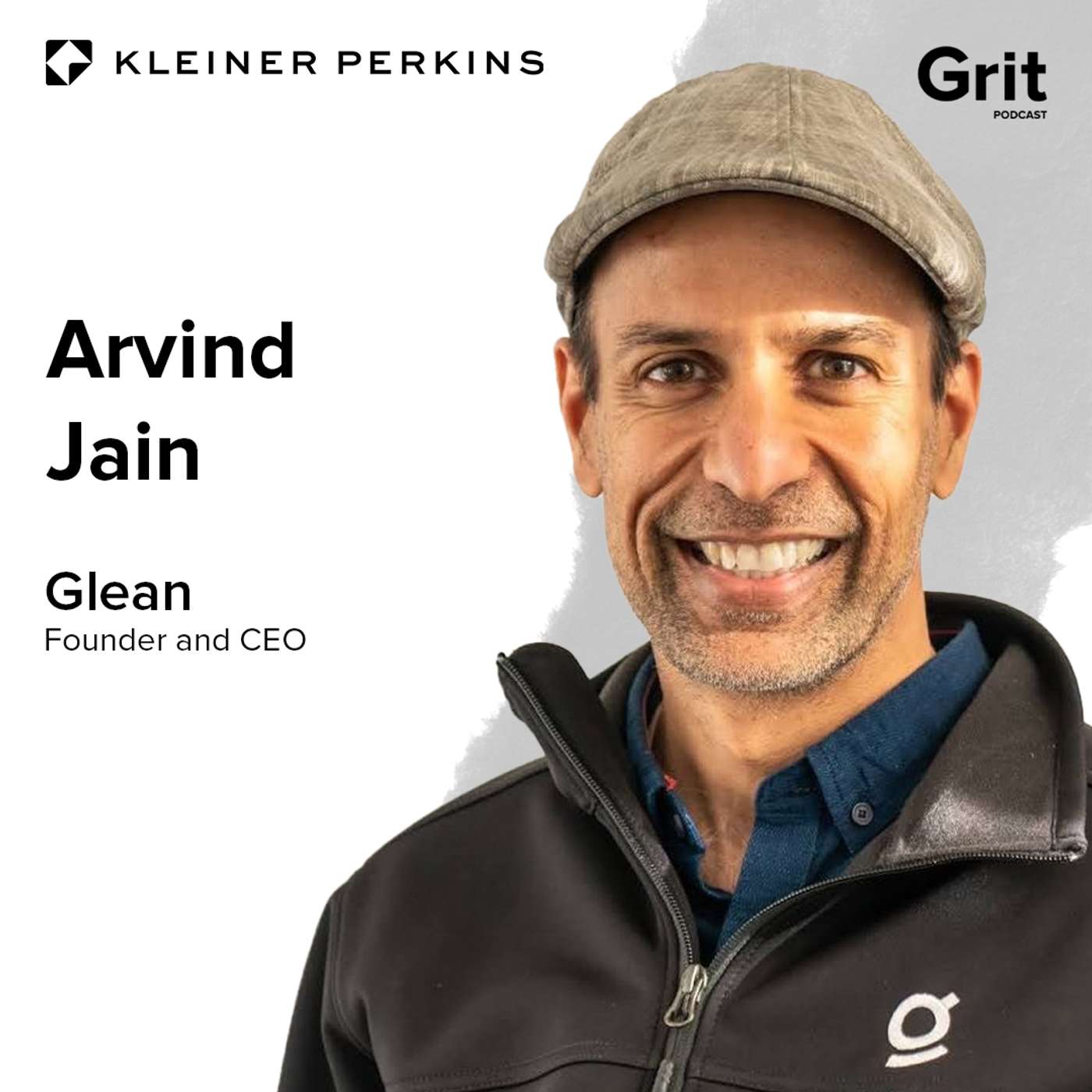
The hype around future model improvements overshadows a key reality: current models are already "sufficiently intelligent" for countless valuable tasks. Even if all AI innovation stopped today, we could still unlock trillions in economic value just by integrating existing technology across the economy.

Ajeya Cotra reframes the concept of an AI pause. Instead of a binary 'stop' (0% of labor on R&D), she suggests thinking of it as a spectrum. The goal should be to redirect the vast majority of AI labor from accelerating capabilities to solving safety, biodefense, and other critical societal challenges.

OpenAI's CEO believes a significant gap exists between what current AI models can do and how people actually use them. He calls this "overhang," suggesting most users still query powerful models with simple tasks, leaving immense economic value untapped because human workflows adapt slowly.
