Get your free personalized podcast brief
We scan new podcasts and send you the top 5 insights daily.
Even if model development stopped today, it would take up to a year to fully discover and utilize the existing latent capabilities. This "capability overhang" means the gap between what an AI can do and what we know how to make it do is massive, representing a huge opportunity.

Related Insights
To create a breakthrough AI product, design its capabilities around the projected power of models six months out. This means accepting poor initial performance, but ensures you'll be perfectly positioned when more capable models are released.

Turing's CEO argues that frontier models are already capable of much more than enterprises are demanding. The bottleneck isn't the AI's ability, but the "first mile and last mile schlep" of integration. Massive productivity gains are possible even without further model improvements.

There is a massive gap between what AI models *can* do and how they are *currently* used. This 'capability overhang' exists because unlocking their full potential requires unglamorous 'ugly plumbing' and 'grunty product building.' The real opportunity for founders is in this grind, not just in model innovation.
As AI capabilities advance exponentially, the gap between what the technology can do and what organizations have actually deployed is increasing. This 'capability overhang' creates a compounding advantage for fast-adopting leaders and an existential risk for laggards.

When developing AI-powered tools, don't be constrained by current model limitations. Given the exponential improvement curve, design your product for the capabilities you anticipate models will have in six months. This ensures your product is perfectly timed to shine when the underlying tech catches up.

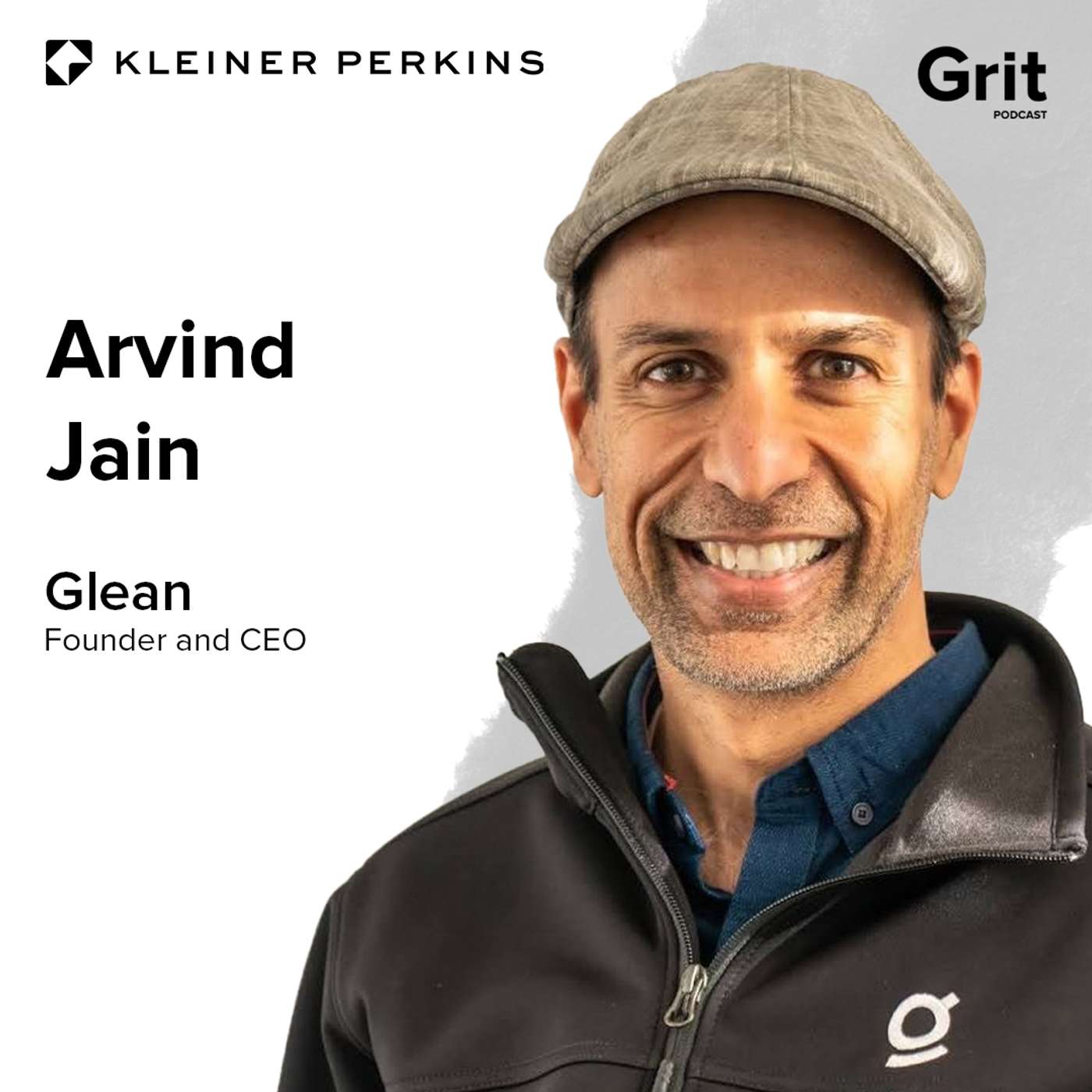
Obsessing over the next AI model is a distraction. Arvind Jain argues that even if model innovation stopped today, there are five years of massive growth ahead just from better applying existing capabilities. The real work is building valuable products on top of today's technology.
The perceived limits of today's AI are not inherent to the models themselves but to our failure to build the right "agentic scaffold" around them. There's a "model capability overhang" where much more potential can be unlocked with better prompting, context engineering, and tool integrations.

AI models are more powerful than their current applications suggest. This 'capability overhang' exists because enterprises often deploy smaller, more efficient models that are 'good enough' and struggle with the impedance mismatch of integrating AI into legacy processes and data silos.

AI's "capability overhang" is massive. Models are already powerful enough for huge productivity gains, but enterprises will take 3-5 years to adopt them widely. The bottleneck is the immense difficulty of integrating AI into complex workflows that span dozens of legacy systems.

OpenAI's CEO believes a significant gap exists between what current AI models can do and how people actually use them. He calls this "overhang," suggesting most users still query powerful models with simple tasks, leaving immense economic value untapped because human workflows adapt slowly.
