Get your free personalized podcast brief
We scan new podcasts and send you the top 5 insights daily.
Instead of the politically charged "sanctuary" label, California's Attorney General frames the policy as a strategic choice to focus limited state law enforcement resources on local crime, rather than federal civil immigration enforcement. This is positioned as a pro-community trust and public safety measure protected by the 10th Amendment.

Related Insights
When local authorities refuse to transfer arrested criminal aliens to ICE from jails, it forces federal agents to conduct riskier arrests in public. This 'massive resistance' creates a more volatile environment, increasing the likelihood of violent encounters and tragic outcomes for agents and the public.

Bradley Tusk, known for his work with Uber, advises startups to focus their regulatory efforts on state and local governments. He argues that achieving federal-level change is akin to a miracle. In contrast, states offer 50 different opportunities to pass favorable legislation, establish precedent, and build momentum for broader change.

The debate over deploying federal vs. state troops to fight crime is less about the tactic's effectiveness and more about political credit. Democratic governors like Wes Moore are now using their own state troops to achieve the same results, co-opting the policy to frame it as a state-level success.

The Trump administration uses ICE not just for immigration enforcement, but to create a de facto national police force. By framing immigration as a ubiquitous issue, they justify a federal presence anywhere, effectively turning the entire country into a "border zone" where exceptional laws can apply.

Polling data reveals a critical nuance in public perception. Two-thirds of Democrats and a majority of independents interpret the "Abolish ICE" slogan not as eliminating immigration enforcement, but as a demand to replace the agency with a system aligned with American values and due process, a distinction often lost in political attacks.

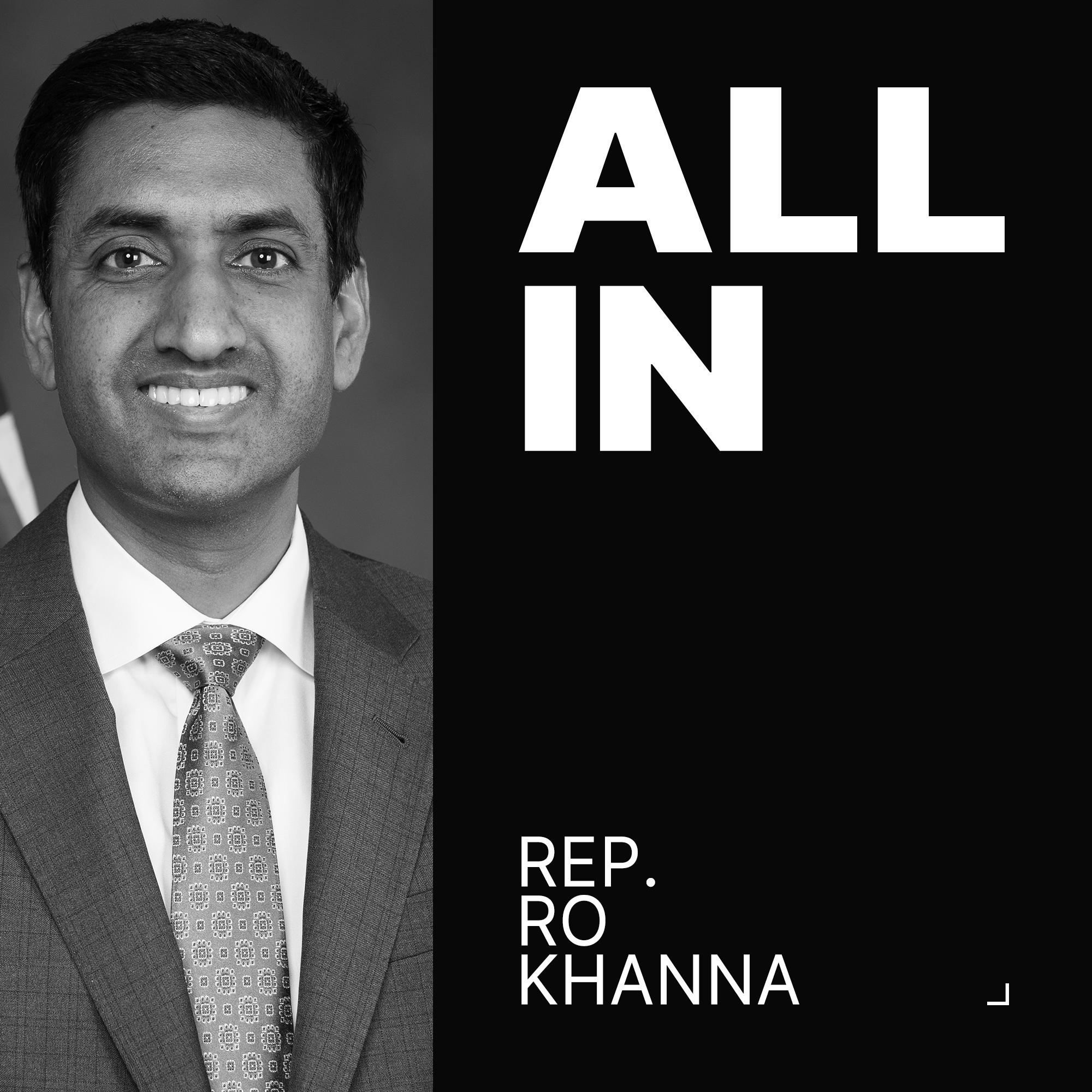
Congressman Ro Khanna makes the case that public safety is a prerequisite for economic prosperity, not a separate issue. He points to his own district, Silicon Valley, arguing its status as a global economic hub is directly correlated with its ranking as one of America's safest areas.
Gov. Newsom's open admission that California provides healthcare to undocumented immigrants moves the public discourse. The argument is no longer about whether it happens, but whether it's a desirable policy, forcing a debate on fiscal responsibility versus compassionate spending.

Framing immigration solely as a moral imperative leads to impractical policies by ignoring crucial factors like resource allocation, cultural integration, and public consent. A pragmatic approach balances humanitarianism with national interest, preventing unsustainable outcomes and social friction.

A key lesson Steve Kerr learned was to reframe the debate from "gun control" to "gun violence prevention." This linguistic shift avoids sounding like government overreach and focuses on a shared public safety goal, making the message less polarizing.

DHS Secretary Napolitano explains DACA's legal basis was the inherent discretion of law enforcement to prioritize resources. By defining "Dreamers" as the lowest priority, the administration could effectively grant them protection without new legislation, treating immigration as a resource-constrained law enforcement issue.