Get your free personalized podcast brief
We scan new podcasts and send you the top 5 insights daily.
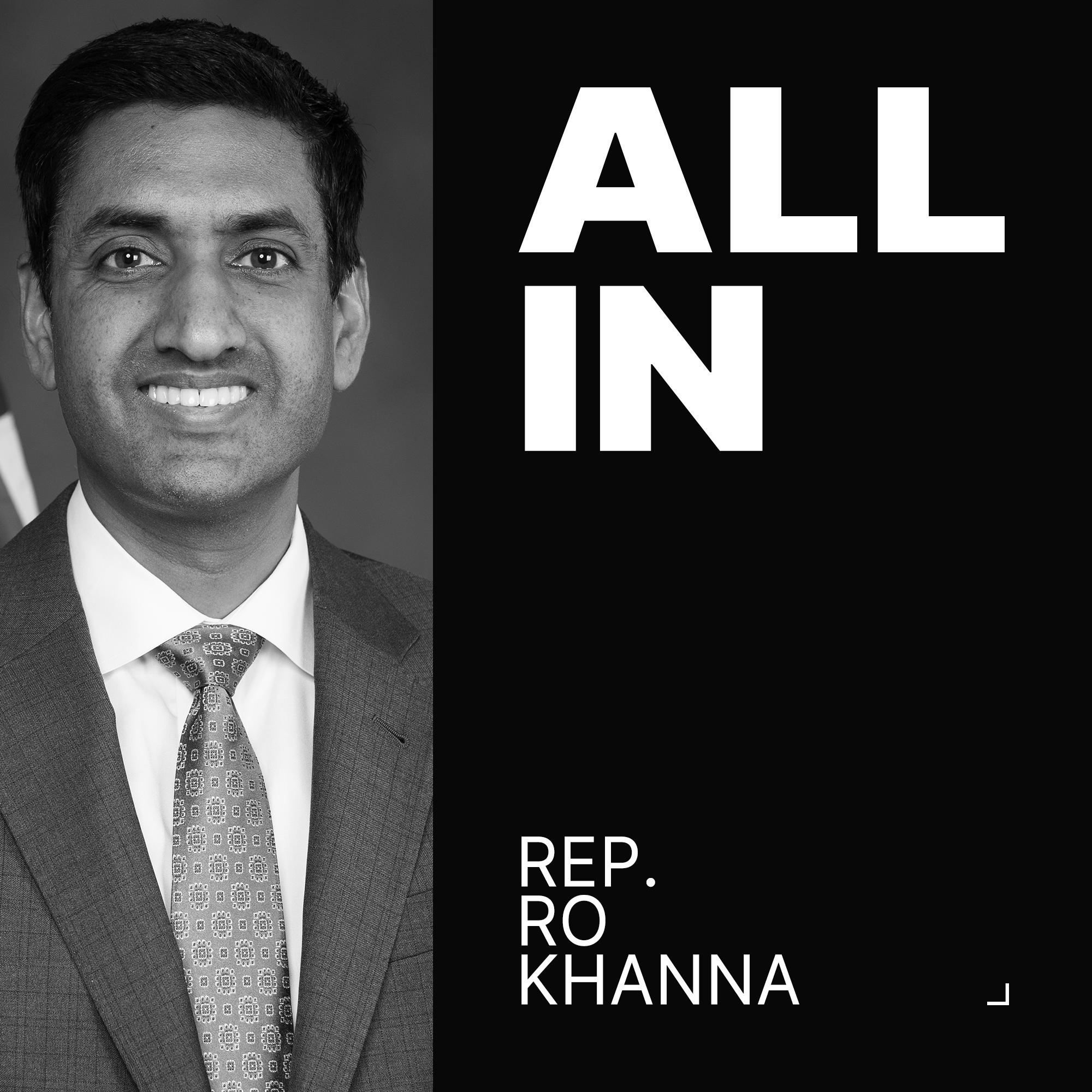
Congressman Ro Khanna makes the case that public safety is a prerequisite for economic prosperity, not a separate issue. He points to his own district, Silicon Valley, arguing its status as a global economic hub is directly correlated with its ranking as one of America's safest areas.
Related Insights
Contrary to the post-COVID trend of tech decentralization, the intense talent and capital requirements of AI have caused a rapid re-centralization. Silicon Valley has 'snapped back' into a hyper-concentrated hub, with nearly all significant Western AI companies originating within a small geographic radius.

When cities stop prosecuting crimes like shoplifting under the assumption it's driven by poverty, they inadvertently create a lucrative market for organized crime. Sophisticated gangs exploit this leniency to run large-scale theft operations, harming the community more than the original policy intended to help.

The podcast highlights a striking correlation: the sharp drop in violent crime and serial killer activity in the mid-to-late '90s occurred after the closure of major industrial smelters and the nationwide removal of lead from gasoline. This suggests environmental regulations had a profound, uncredited impact on public safety.

The movement to defund the police doesn't eliminate the need for security; it just shifts the burden. Wealthy individuals and communities hire private security, while poorer communities, who are the primary victims of crime, are left with diminished public protection.
Extreme wealth inequality creates a fundamental risk beyond social unrest. When the most powerful citizens extricate themselves from public systems—schools, security, healthcare, transport—they lose empathy and any incentive to invest in the nation's core infrastructure. This decay of shared experience and investment leads to societal fragility.

Investing in defense, energy, and public safety is not just another vertical. These foundational sectors uphold the stable democracy on which all other tech, like B2B SaaS, depends. A failure in these foundations renders investments in higher-level software and services worthless.

The success of progressive candidate Momdani in New York stems from his singular focus on the city's unaffordability crisis. While other candidates emphasized crime, Momdani tapped into the core anxiety of voters who feel they can no longer afford to live there, signaling a shift in urban voter priorities.
The U.S. generates 25% of global GDP and holds 45% of science Nobel prizes with under 5% of the world's population. This is not an accident but a direct outcome of a system prioritizing individual liberty. This freedom acts as a gravitational pull for global talent and enables the 'permissionless innovation' that drives economic and scientific breakthroughs.

When a society attempts to eliminate all risk and shame aggressive competition, it stifles the very forces that drive innovation and growth. This cultural shift from valuing freedom to prioritizing safety makes people docile and anxious, leading to economic stagnation and a loss of competitive edge.

Data analysis across health, wealth, safety, and longevity reveals that regions prioritizing communal well-being consistently achieve better outcomes than those prioritizing radical individual liberty, challenging a core American political narrative.
