Get your free personalized podcast brief
We scan new podcasts and send you the top 5 insights daily.
The founder understood that women wear heels for the look, despite the pain. Any comfort-focused innovation that compromised on aesthetics would fail. The product had to be a "perfect dupe" for a traditional heel to solve the actual problem, not just create a "weird looking shoe."
Related Insights
A coach's criticism about athletes training barefoot—a threat to a shoe company—sparked an "aha moment." Instead of dismissing it, Nike innovated by creating a shoe that replicated the benefits of barefoot running, thereby capturing the user's intent and creating a new product category.

Hexclad's product development filter is binary. New products must either be a complete reinvention of the category (like their "weapon" of a pepper mill) or, if reinvention isn't possible (like with knives), they must be so aesthetically desirable ("sexy") that they become a statement piece. Anything else is rejected.

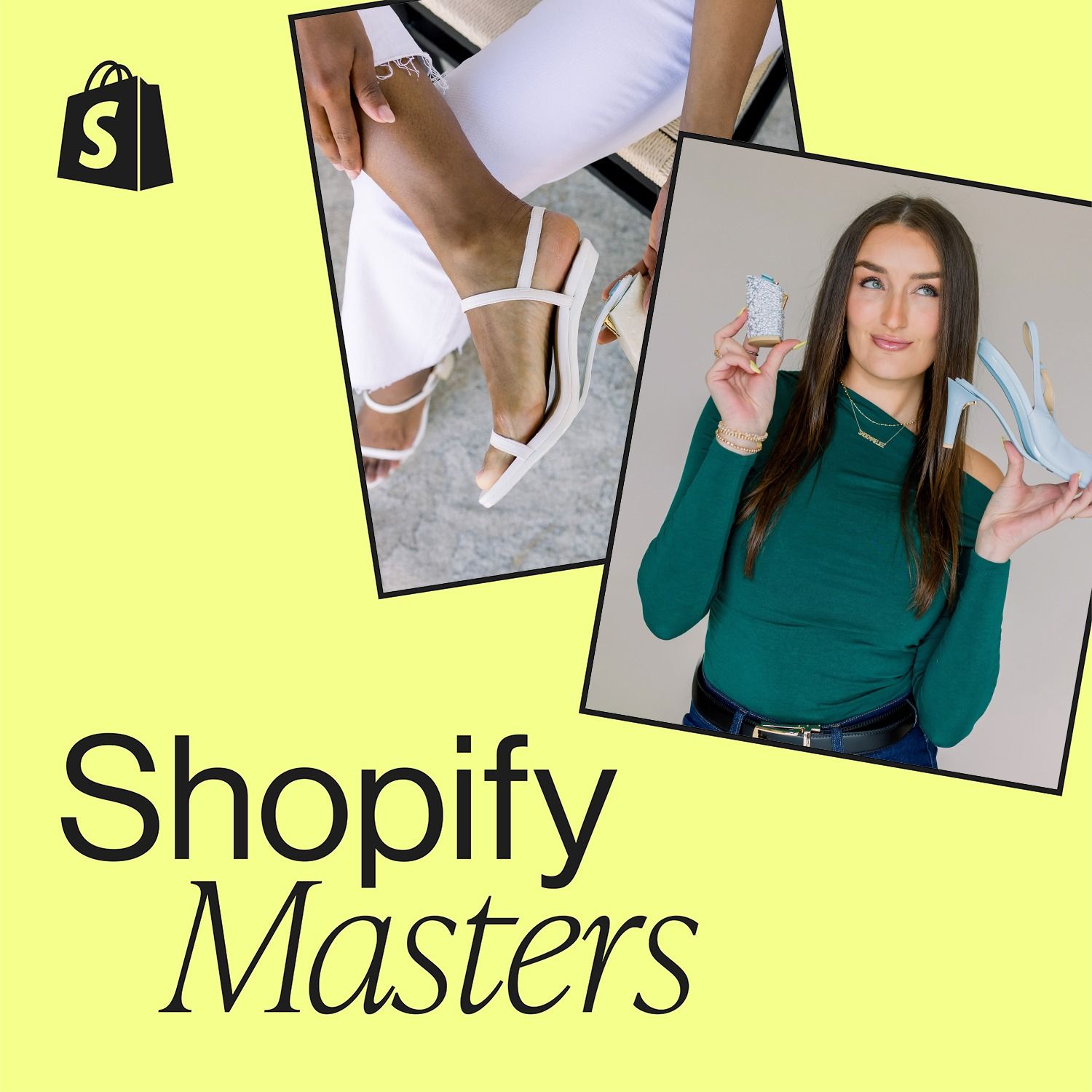
Founder Haley Pavoni realized previous convertible heel attempts failed because they only addressed the removable heel. The key innovation was creating a flexible midsole with a removable support shank, allowing the shoe to properly function as both a stylish heel and a comfortable flat.
Delight goes beyond surface-level features. It's about creating products that solve practical problems while also addressing users' emotional states, like reducing stress or creating joy. This is achieved by removing friction, anticipating needs, and exceeding expectations.

Instead of searching for a market to serve, founders should solve a problem they personally experience. This "bottom-up" approach guarantees product-market fit for at least one person—the founder—providing a solid foundation to build upon and avoiding the common failure of abstract, top-down market analysis.

Instead of just building a functional tool, the Monologue team focused on creating a beautiful, "Teenage Engineering-style" product with a unique aesthetic and custom sounds. This focus on craftsmanship and user delight serves as a key differentiator against larger, venture-backed competitors in a crowded market.

Gymshark's key product differentiator wasn't just performance, but aesthetics. They obsessed over creating 'physique accentuating' fits that made customers look and feel better. This tapped into the core emotional motivation of their gym-going audience, creating a stronger brand connection than purely functional apparel.

Instead of just creating an 'athleisure' line because it's popular, Hanes identified specific problems—like chafing—that consumers experience during movement. They then designed products with features like anti-chafe panels, directly linking innovation to their core brand promise of comfort.
