Get your free personalized podcast brief
We scan new podcasts and send you the top 5 insights daily.
Anthropic's defensive legal action against the viral 'Clawdbot' project, which used its technology, contrasted with OpenAI's collaborative approach. This decision alienated the project's creator and community, directly leading to their biggest competitor acquiring the most significant grassroots AI movement in years.

Related Insights
Testimony from OpenAI co-founder Ilya Sutskever has revealed that during the 2023 leadership crisis, a merger with top rival Anthropic was actively discussed. The potential deal, which could have installed Anthropic's CEO at the helm, highlights the deep instability at OpenAI during that period.
Anthropic is positioning itself as the "Apple" of AI: tasteful, opinionated, and focused on prosumer/enterprise users. In contrast, OpenAI is the "Microsoft": populist and broadly appealing, creating a familiar competitive dynamic that suggests future product and marketing strategies.

While OpenAI captured headlines with internal drama, Anthropic's CEO Dario Amodei executed a steadier strategy focused on profitability and sensible growth. This "sensible party" approach proved highly effective, allowing Anthropic to rapidly close the valuation gap while delivering the year's most impactful product.

A significant number of leading AI companies, such as Anthropic and XAI, were founded by executives who left larger players like OpenAI out of disagreement or rivalry. This "spite" acts as a powerful motivator, driving the creation of formidable competitors and shaping the industry's landscape.

Anthropic's campaign risks poisoning the well for all consumer AI assistants by stoking fear about ad integration. This high-risk strategy accepts potential damage to its own brand and the category in order to inflict greater harm on the market leader, OpenAI.
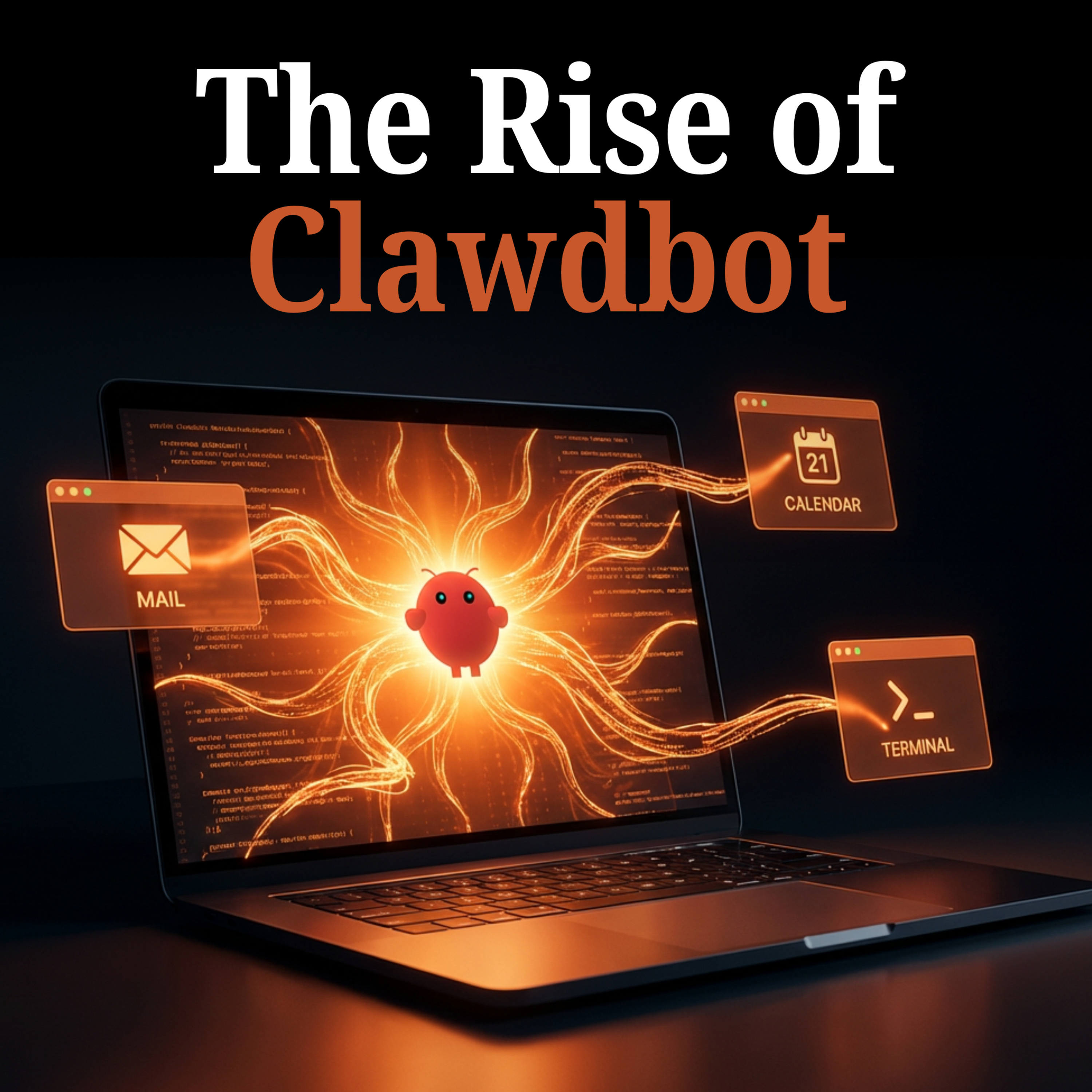
Clawdbot, an open-source project, has rapidly achieved broad, agentic capabilities that large AI labs (like Anthropic with its 'Cowork' feature) are slower to release due to safety, liability, and bureaucratic constraints.
OpenAI is caught in a strategic trap. It's being attacked "from above" by giants like Google (Alphabet) who can leverage a massive built-in user base. Simultaneously, it's being attacked "from below" by competitors like Anthropic, who are successfully capturing the lucrative enterprise market, putting OpenAI's valuation at risk.

The technical capabilities of OpenClaw are replicable; its real moat is the massive, self-reinforcing community of builders and resources that spontaneously converged around it. OpenAI acquired not just a tool, but the entire ecosystem's focal point for agentic AI development—a far more durable competitive advantage than code alone.
When one company like OpenAI pulls far ahead, competitors have an incentive to team up. This is seen in actions like Anthropic's targeted ads and public collaborations between rivals, forming a loose but powerful alliance against the dominant player.

The popular AI agent project cycled through three names: Claudebot, Maltbot, and OpenClaw. The initial name caused brand confusion with Anthropic, while the second lacked appeal. The final name was secured only after the creator preemptively checked with OpenAI's CEO, underscoring the importance of branding and IP diligence.