Get your free personalized podcast brief
We scan new podcasts and send you the top 5 insights daily.
A significant number of leading AI companies, such as Anthropic and XAI, were founded by executives who left larger players like OpenAI out of disagreement or rivalry. This "spite" acts as a powerful motivator, driving the creation of formidable competitors and shaping the industry's landscape.

Related Insights
Sam Altman famously laughed off the idea that a new venture could compete with OpenAI. Soon after, China's DeepSeek emerged, developing a comparable, and in some cases superior, AI model on a shoestring budget, proving incumbency and capital aren't insurmountable moats.

OpenAI, the initial leader in generative AI, is now on the defensive as competitors like Google and Anthropic copy and improve upon its core features. This race demonstrates that being first offers no lasting moat; in fact, it provides a roadmap for followers to surpass the leader, creating a first-mover disadvantage.

Top AI labs face a difficult talent problem: if they restrict employee equity liquidity, top talent leaves for higher salaries. If they provide too much liquidity, newly-wealthy researchers leave to found their own competing startups, creating a constant churn that seeds the ecosystem with new rivals.

Quora's initial engineering team was a legendary concentration of talent that later dispersed to found or lead major AI players, including Perplexity and Scale AI. This highlights how talent clusters from one generation of startups can become the founding diaspora for the next.

Startups are becoming wary of building on OpenAI's platform due to the significant risk of OpenAI launching competing applications (e.g., Sora for video), rendering their products obsolete. This "platform risk" is pushing developers toward neutral providers like Anthropic or open-source models to protect their businesses.
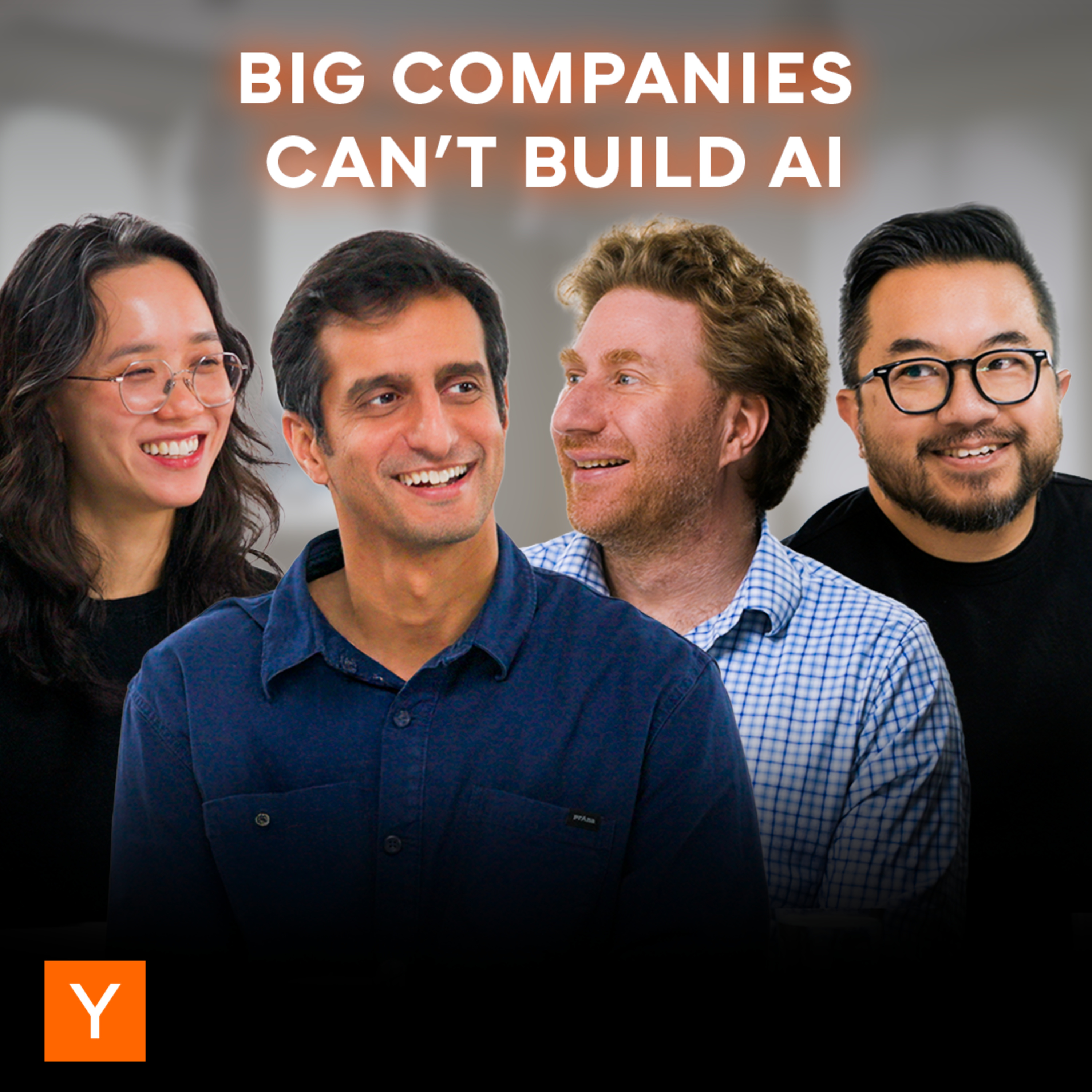
Product managers at large AI labs are incentivized to ship safe, incremental features rather than risky, opinionated products. This structural aversion to risk creates a permanent market opportunity for startups to build bold, niche applications that incumbents are organizationally unable to pursue.

Despite its early dominance, OpenAI's internal "Code Red" in response to competitors like Google's Gemini and Anthropic demonstrates a critical business lesson. An early market lead is not a guarantee of long-term success, especially in a rapidly evolving field like artificial intelligence.
Many engineers at large companies are cynical about AI's hype, hindering internal product development. This forces enterprises to seek external startups that can deliver functional AI solutions, creating an unprecedented opportunity for new ventures to win large customers.
OpenAI's creation wasn't just a tech venture; it was a direct reaction by Elon Musk to a heated debate with Google's founders. They dismissed his concerns about AI dominance by calling him "speciesist," prompting Musk to fund a competitor focused on building AI aligned with human interests, rather than one that might treat humans like pets.

A growing movement in the startup community involves not using OpenAI's API. Founders fear OpenAI, in its push for revenue, will release services that directly compete with and kill startups built on its platform, similar to Microsoft's historical "embrace, extend, extinguish" strategy.