Get your free personalized podcast brief
We scan new podcasts and send you the top 5 insights daily.
The actual negative events in our past are often few and far between. The real source of suffering is the narrative—the interpretation, extrapolation, and language—we attach to those events. This narrative justifies our limitations and identity, making us attached to the very story that holds us back.

Related Insights
Trauma is not an objective property of an event but a subjective experience created by the relationship between a present situation and past memories. Because experience is a combination of sensory input and remembered past, changing the meaning or narrative of past events can change the experience of trauma itself.

Most psychological pain, like anxiety or irritation, is not caused by a situation itself but by the interpretive stories and mental narratives you tell yourself about that situation. Realizing this is the first step toward freedom from suffering.

Blaming yourself or others tethers you to past events, preventing you from moving forward. The key to freedom is to see events neutrally—as "what's so"—without the emotional charge of blame. This acknowledges what happened without letting it define your present and future.
How people tell their life story is a roadmap for their future. Those who consistently cast themselves as victims of circumstance are unlikely to recover from addiction because the narrative prevents them from acknowledging their own contribution to their problems, which is necessary for change.

Psychologists can predict the severity of a person's depressive and anxious symptoms not by the content of their trauma, but by the form of their narrative. Recurring, stuck narratives, or what is called the "same old story," correlate with poorer mental health outcomes.
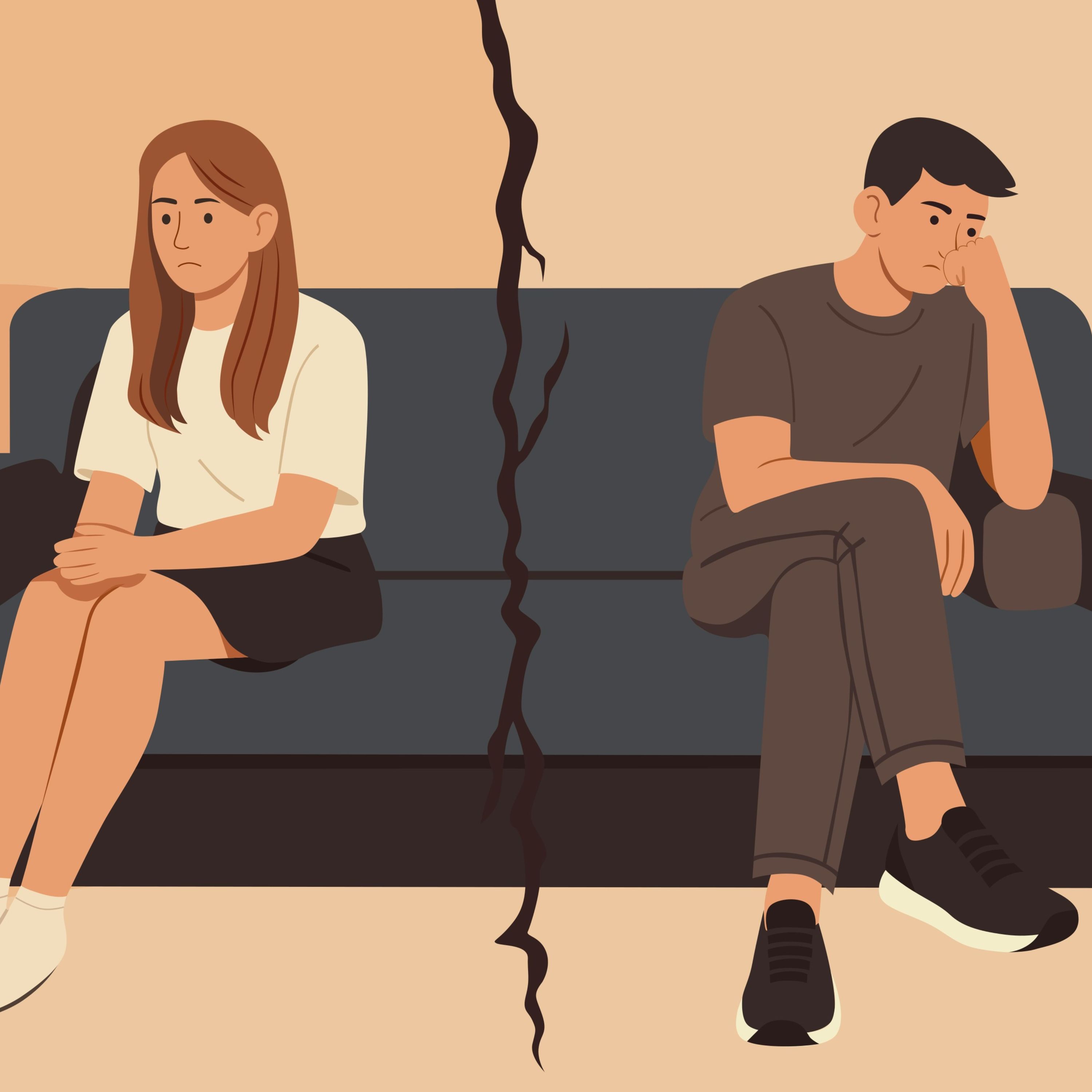
The same event can be viewed through an emotional lens (betrayal) or a factual one (protection). By re-examining his mother's lie about his father's identity without emotion, the speaker transformed his narrative from one of victimhood to one of love, realizing she was trying to protect him.

Healing is not about forgetting or forgiving trauma, but reaching a point where you no longer expend any mental or emotional energy managing it. When the past no longer dictates your present reactions or consumes your energy, that energy becomes fully available for the present moment, signifying that healing has occurred.

The meaning of an event is not fixed but is shaped by its narrative framing. As both the author and protagonist of our life stories, we can change an experience's impact by altering its "chapter breaks." Ending a story at a low point creates a negative narrative, while extending it to include later growth creates a redemptive one.

The emotional intensity of a minor present-moment annoyance is rarely about the event itself. It's fueled by mentally "stacking" images of every past occurrence and projecting endless future repetitions. This imagined "dream world" of past and future is what causes suffering, not the single, present event.

Author Shaka Senghor posits that internal prisons built from negative emotions like grief, shame, and trauma are more powerful and restrictive than literal ones. Overcoming them requires deep internal work, not a change in external circumstances.