Get your free personalized podcast brief
We scan new podcasts and send you the top 5 insights daily.
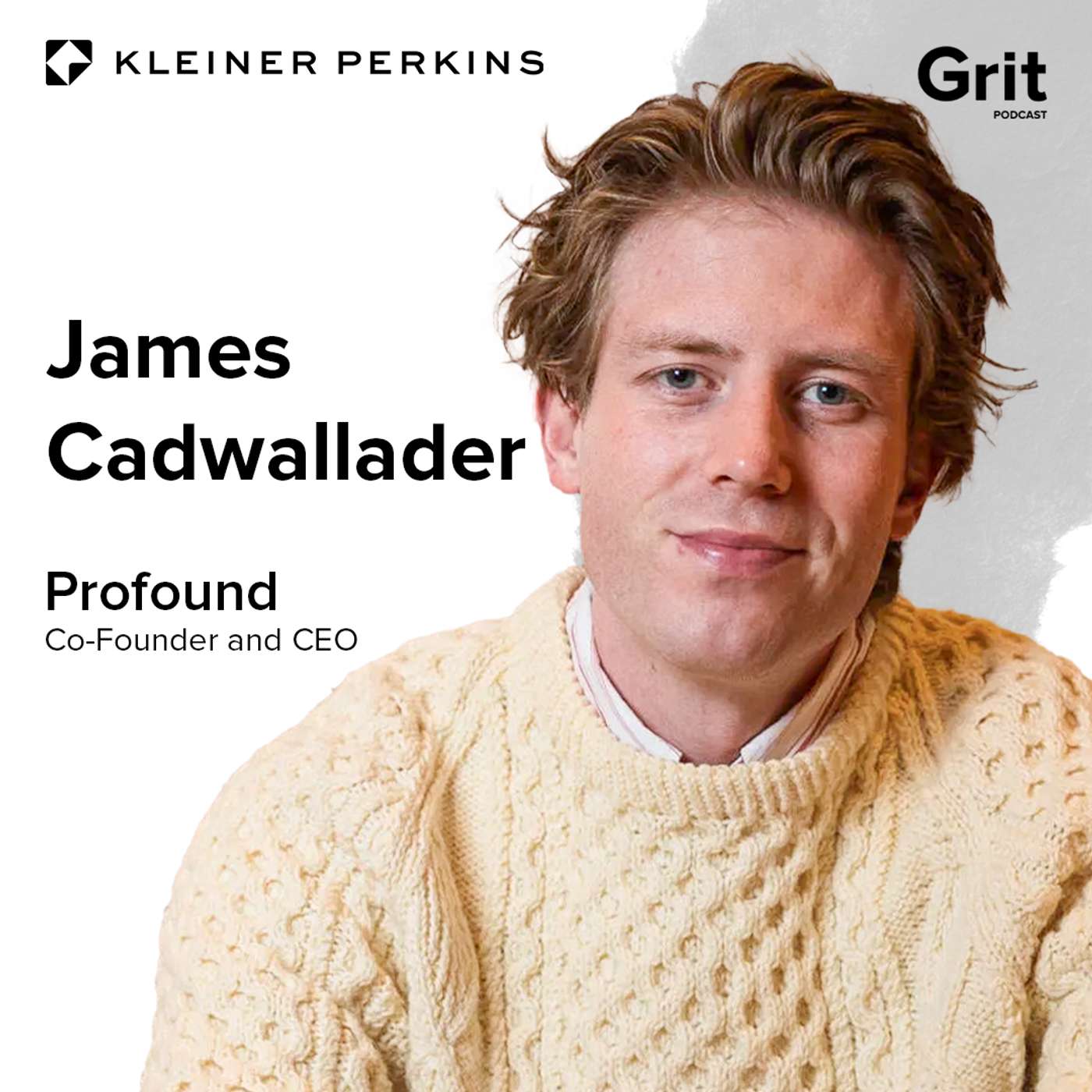
A co-founder's story about hiring a 17-year-old who requested *less* pay is likely not genuine. It is a calculated tactic to glorify 'playing the long game' over salary, preemptively defending the company's low compensation offers to future applicants.
Related Insights
Founders romanticize hiring young, ambitious talent to save money, but it's a costly mistake. Paying a premium for proven, experienced hires yields significantly better outcomes and avoids the low hit rate of "angel investing in people."

Founders mistakenly try to "win" salary negotiations. With best-in-class talent, this is a massive error. The value an A-player brings will dwarf any marginal salary savings. Secure top talent immediately by meeting their requests, building goodwill and getting them started right away.
Despite being the indispensable public face of the viral brand, host Scott Rogowsky was offered a mere quarter-point of equity. This starkly illustrates how tech-focused startups can critically undervalue non-technical, forward-facing talent, creating misalignment and risking the loss of key personnel.

The best early hires for a high-potential startup are often experienced professionals willing to check their ego and take a seemingly junior role. This demonstrates immense belief in the company's trajectory and their own ability to grow within it. These candidates prioritize the opportunity over the immediate title.

Passion has a dark side in the workplace. Highly passionate individuals are often less likely to negotiate their salary because they worry that bringing up money will make others doubt the authenticity of their commitment. This can lead to them being underpaid and exploited.

Employees who view their work as a calling are more willing to accept lower pay and make financial sacrifices. This passion makes them susceptible to exploitation, as organizations can implicitly substitute the promise of meaningful work for fair compensation and sustainable working conditions.

Thiel observes that the less an early-stage CEO is paid, the better the company performs. A low salary (under $150k) paired with high equity aligns the CEO with long-term value creation and sets a culture of shared sacrifice, whereas high pay incentivizes protecting the status quo.
The very best engineers optimize for their most precious asset: their time. They are less motivated by competing salary offers and more by the quality of the team, the problem they're solving, and the agency to build something meaningful without becoming a "cog" in a machine.
Pitching an easy path to success attracts unqualified, unmotivated candidates. To build a strong team, your messaging must be candid about the hard work required. This honesty acts as a filter for resilient, high-potential individuals who are prepared for the real challenges.

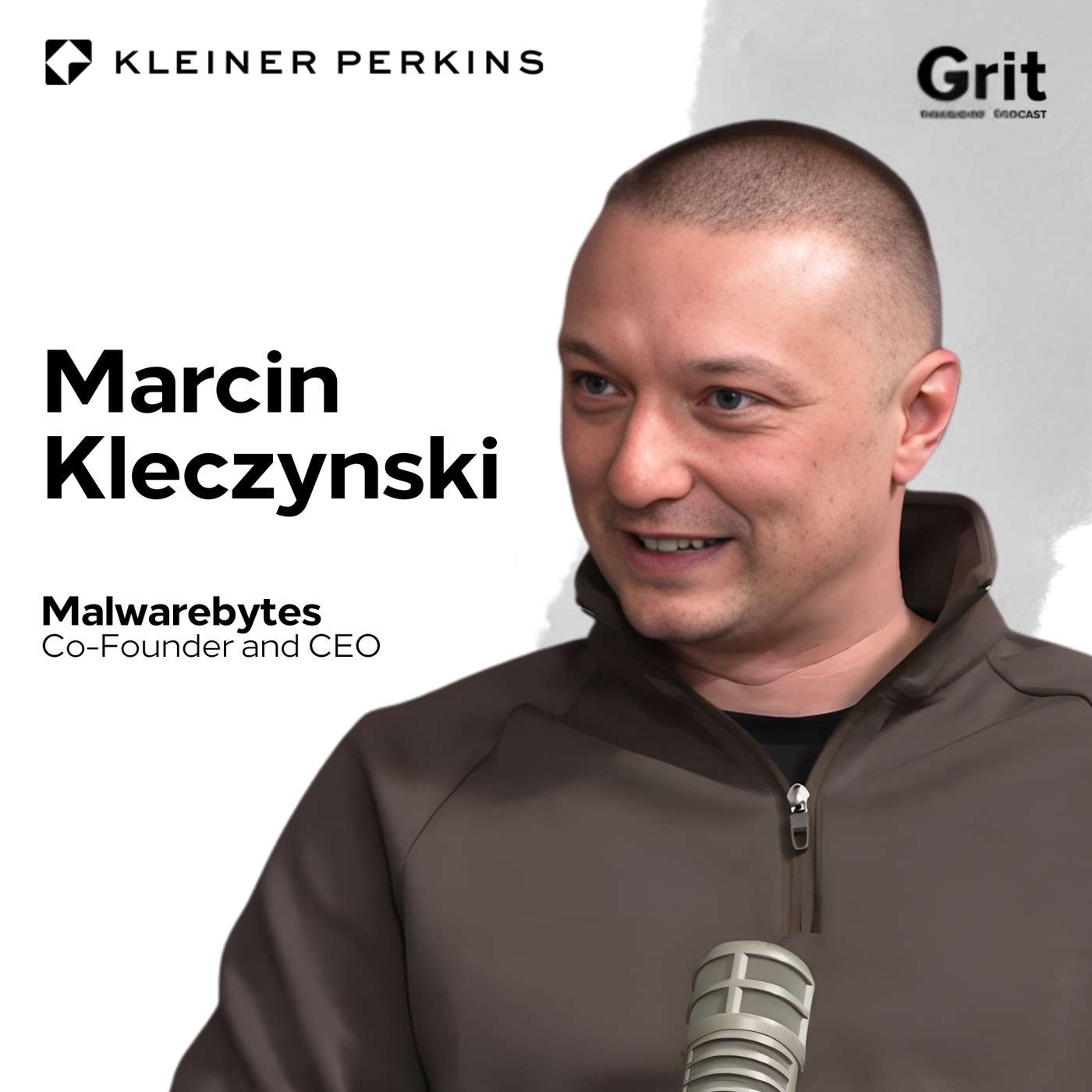
Marcin Kleczynski observed that candidates with flashy resumes from top companies often underperform. Conversely, candidates who appear less experienced on paper but possess strong will and motivation frequently exceed expectations, suggesting pedigree can be a misleading signal.