Get your free personalized podcast brief
We scan new podcasts and send you the top 5 insights daily.
The vast majority of AI-generated content, like the 50 million images created daily, will not be for public consumption. Instead, its primary value is the joy of the creative process for the user. People will co-create feature-length films or entire fictional worlds for their own entertainment, not for an audience.

Related Insights
Human artists create to express their own visions, not to satisfy audience desires. AI excels at filling this gap, creating highly specific, personalized content for an audience of one. These two roles are complementary, not competitive.

AI's ability to generate Hollywood-quality films or other complex media for an individual user will lead to extreme market fragmentation. This hyper-personalization won't just transform creative industries like film; it could completely erase them by dissolving the shared cultural experiences that underpin them.

The first wave of AI-generated video was created by tech enthusiasts focused on novelty over narrative. Now, professional storytellers are adopting these tools, which will lead to an explosion of compelling, high-quality AI-native content where the story, not the technology, is the main attraction.

Sam Altman observes an asymmetry in AI-generated media: users love creating personalized content with tools like Sora, but show little interest in consuming AI content made by others. This creator-consumer gap is a key hurdle for generative AI as a mainstream entertainment medium.
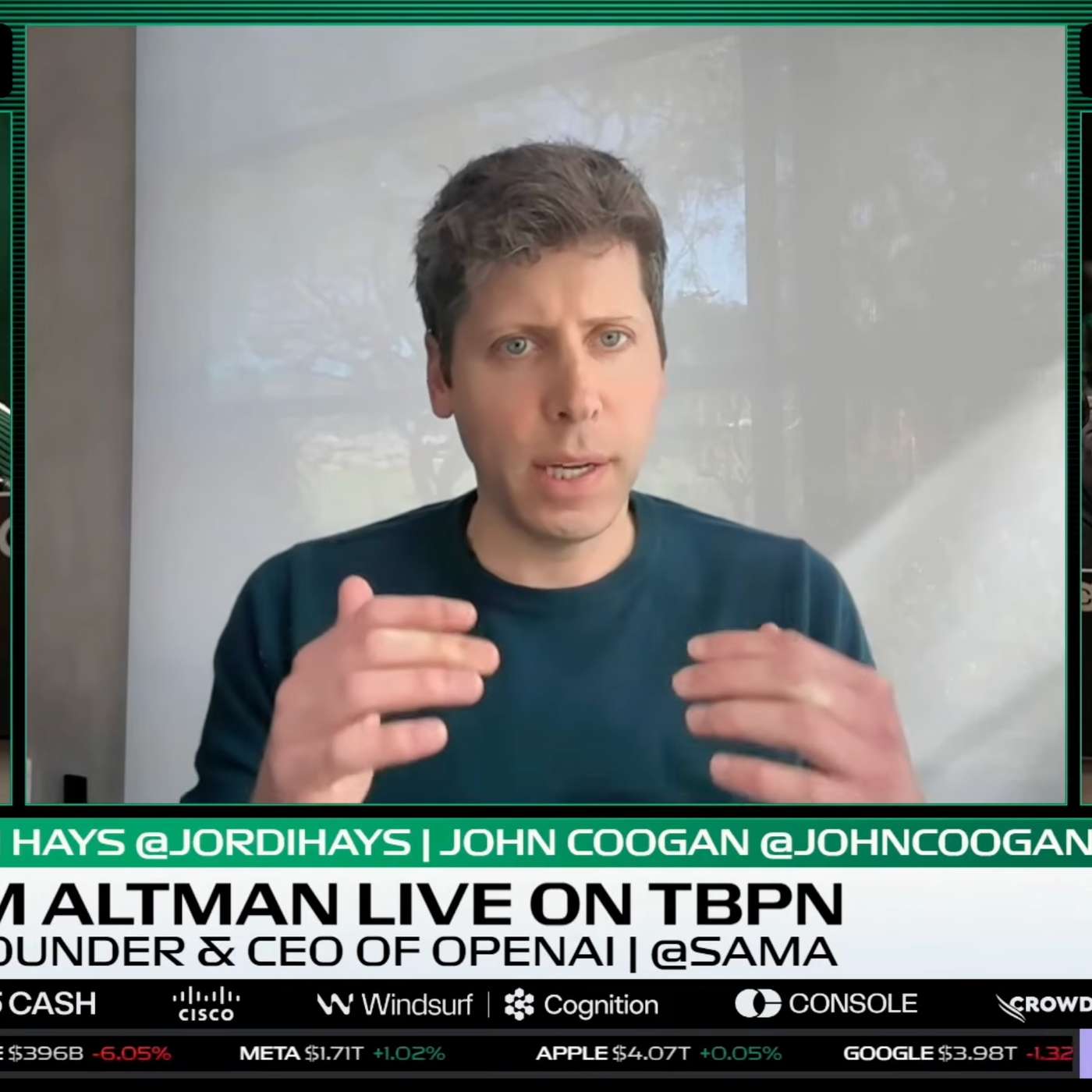
Creators view the closure of OpenAI's video tool, Sora, as confirmation that audiences don't want purely AI-generated content platforms. Instead, the market values human creativity that is augmented by AI tools, not replaced by them.

The OpenAI team believes generative video won't just create traditional feature films more easily. It will give rise to entirely new mediums and creator classes, much like the film camera created cinema, a medium distinct from the recorded stage plays it was first used for.

While AI lowers the barrier to content creation for everyone, it simultaneously increases the value of uniquely human contributions. As AI-generated content becomes commoditized, attributes like lived experience, distinct perspective, and true originality will become the key differentiators for creators.

The creator economy will bifurcate. One stream will feature authentic creators with deep fan connections. The other will be AI-generated personas, including personalized versions of real people like MrBeast, designed to deliver perfect content for each individual viewer, leading to a co-existence of human and AI creators.

Many users of generative AI tools like Suno and Midjourney are creating content for their own enjoyment, not for professional use. This reveals a 'creation as entertainment' consumer behavior, distinct from the traditional focus on productivity or job displacement.

The debate over AI filmmaking is misframed. AI is unlikely to create a universally acclaimed blockbuster. Instead, its strength lies in generating high volumes of "good enough" content tailored to specific subcultures and niche interests, catering to modern, fragmented media consumption habits.