Get your free personalized podcast brief
We scan new podcasts and send you the top 5 insights daily.
Steve Jobs maintained a consistently high bar for technical excellence. Hearing "this is not good enough" wasn't demoralizing for ambitious young employees; it was a powerful motivator that pushed them to be more thoughtful and ensured they never wanted to hear that feedback again.

Related Insights
Frameworks for quality can only get you so far. The final, intangible layer of product greatness seen at companies like Apple or Airbnb comes from a single leader with impeccable taste (like Steve Jobs or Brian Chesky) who personally reviews everything and enforces a singular quality bar.

Inspired by executives from Apple's comeback era, Skydio requires its leaders to have both management skills and deep technical ability. The company believes you can't compromise, as the best leaders must be able to solve technical problems themselves.

Co-founder Bill Bowerman's core philosophy was that Nike's shoes were 'the worst in the world, except for everybody else's.' This mindset of perpetual dissatisfaction, even with market-leading products, created a culture of relentless innovation and prevented complacency. It was never 'good enough.'
The founder of Bending Spoons describes himself as "perennially unhappy." While personally challenging, this constant state of discontent is framed as a professional superpower. It fuels a relentless drive to identify flaws and push for improvement across the organization, serving as the engine for the company's high standards.
![Luca Ferrari - Building Bending Spoons - [Invest Like the Best, EP.446] thumbnail](https://megaphone.imgix.net/podcasts/b29cbd80-b93a-11f0-a1b7-2b977c9469a2/image/39f7864ea628f71a81b94662bd4a86df.jpg?ixlib=rails-4.3.1&max-w=3000&max-h=3000&fit=crop&auto=format,compress)
The most powerful form of motivation is not praise, but demonstrating belief in someone's untapped potential. Pushing an employee by saying their work 'isn't good enough' can be a profound act of belief, signaling that you see a higher ceiling for them than they might see for themselves.
![Brian Chesky - AI Founder Mode - [Invest Like the Best, EP.470] thumbnail](https://megaphone.imgix.net/podcasts/6162ba8a-4843-11f1-b7b7-53d3b402f9a6/image/0f929ee6c3171280178b7ad567d250fd.jpg?ixlib=rails-4.3.1&max-w=3000&max-h=3000&fit=crop&auto=format,compress)
Pixar's Pete Docter recalls Steve Jobs delivering a 'pep talk' that was a harsh critique of his leadership, calling it his 'last vacation for a while.' This reveals a management style where brutal, demotivating honesty was framed as a motivational tool.

While one might hope to build a successful hardware company without being 'uncompromisingly demanding,' experience suggests otherwise. People are capable of far more than they believe, but almost always require extrinsic motivation. This tough leadership style appears necessary for succeeding in competitive hardware manufacturing.
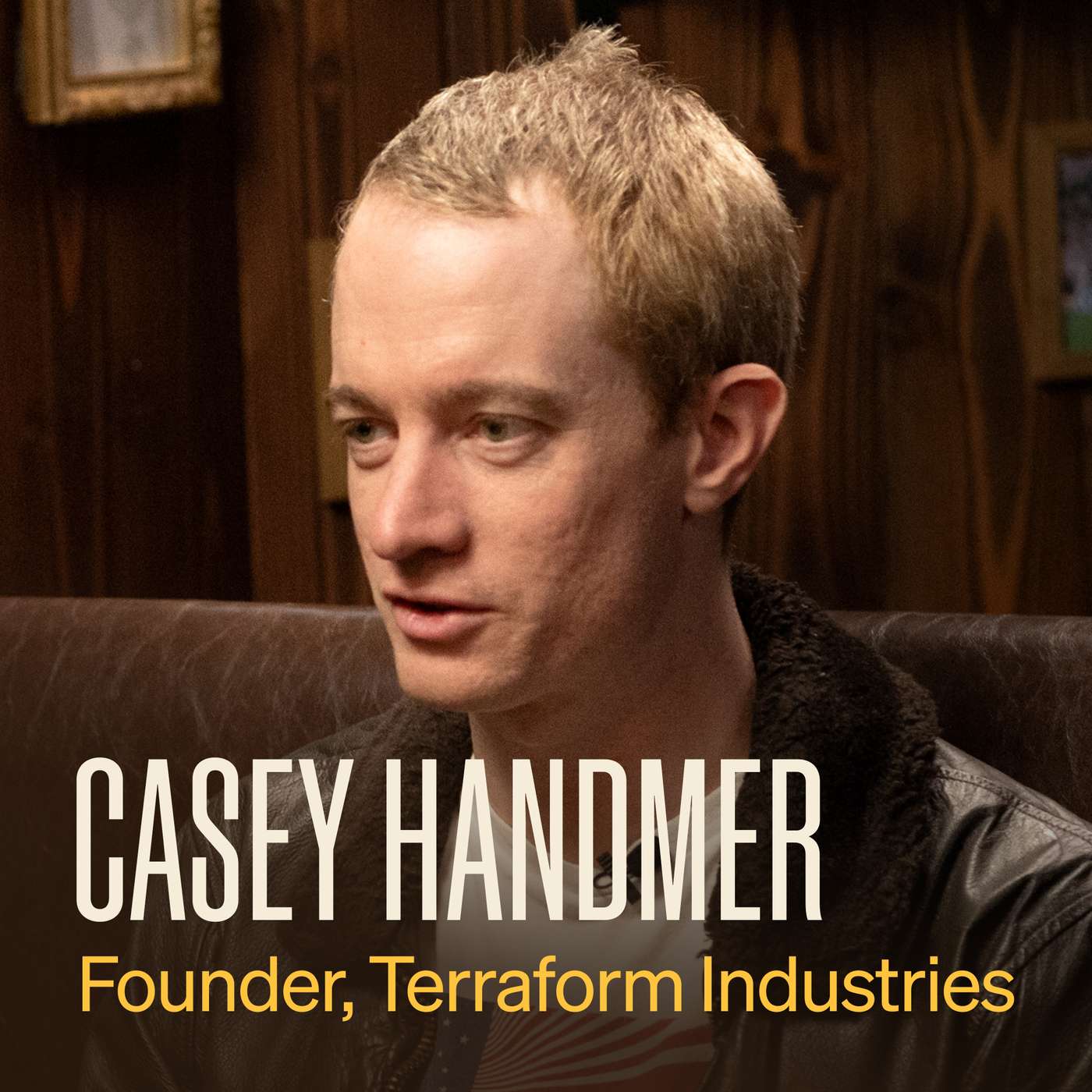
Top product builders are driven by a constant dissatisfaction with the status quo. This mindset, described by Google's VP of Product Robbie Stein, isn't negative but is a relentless force that pushes them to question everything and continuously make products better for users.

The popular myth of Steve Jobs's 'reality distortion field' is a misunderstanding. His true superpower was an exceptional ability to see reality with profound clarity and articulate it with the fewest words possible. This motivated teams to act on that clear vision, rather than attempting to bend reality itself.
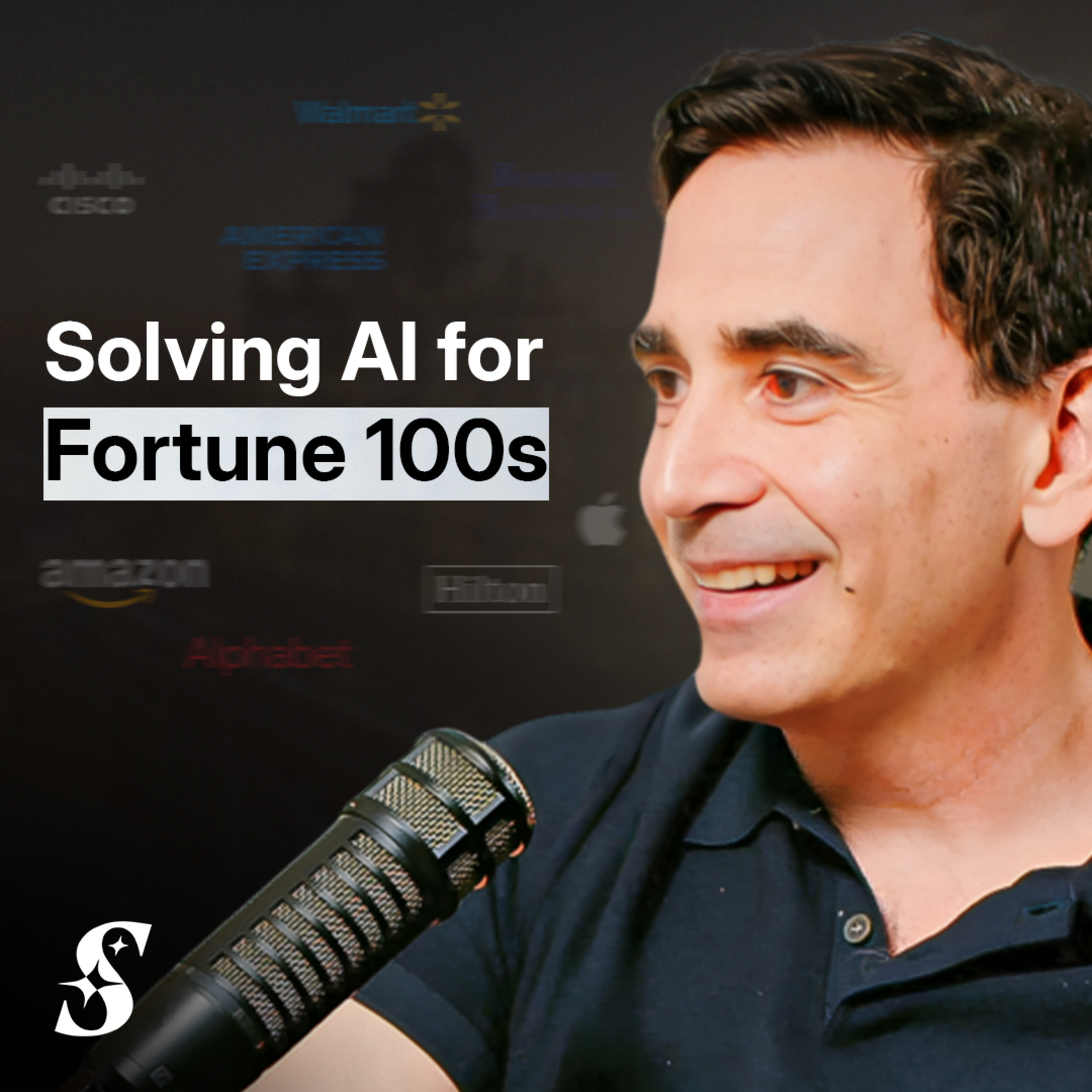
To scale excellence, every single hire must meet a high bar. Compromising on even one person starts a slide towards mediocrity that is difficult to reverse. This mindset of consistent excellence must be enforced across the entire organization without exception.