Get your free personalized podcast brief
We scan new podcasts and send you the top 5 insights daily.
The founder of Bending Spoons describes himself as "perennially unhappy." While personally challenging, this constant state of discontent is framed as a professional superpower. It fuels a relentless drive to identify flaws and push for improvement across the organization, serving as the engine for the company's high standards.
![Luca Ferrari - Building Bending Spoons - [Invest Like the Best, EP.446] thumbnail](https://megaphone.imgix.net/podcasts/b29cbd80-b93a-11f0-a1b7-2b977c9469a2/image/39f7864ea628f71a81b94662bd4a86df.jpg?ixlib=rails-4.3.1&max-w=3000&max-h=3000&fit=crop&auto=format,compress)
Related Insights
The belief that your current product is "a giant piece of shit" is a powerful motivator. This mindset ensures you are constantly seeking limitless opportunities for improvement. If you can't see flaws and feel a degree of humiliation about what you offer the public, you shouldn't be designing the product.

A founder's unhappiness often arises from a disconnect between their core values and the values the company is forced to project, leading to inauthenticity. The founder's ultimate power is the ability to reset the company's culture and policies to realign with their own principles, restoring personal drive.

Instead of viewing problems as setbacks, Jacobs sees them as the very raw material for creating value. Solving obstacles for customers, employees, or within operations is how money is made. This mindset transforms stressful challenges into opportunities for growth and profit, preventing burnout.

The greatest performers, from athletes to companies, are not just the most talented; they are the best at getting better faster. An obsession with root-cause analysis and a non-defensive commitment to improvement is the key to reaching otherwise unachievable levels of success.

The personality trait that drives outlier entrepreneurial success isn't mere ambition, but a "tortured" state of mind. These individuals feel a constant, painful inadequacy that compels them to achieve extraordinary things. This drive often comes at the expense of their personal well-being, family life, and mental health.
![[REPLAY] Morgan Housel – Same as Ever (EP.359) thumbnail](https://static.libsyn.com/p/assets/f/b/7/6/fb76e1c8bfb69e8dd959afa2a1bf1c87/CA_Square_logo_light_background_6.26.24.jpg)
Top product builders are driven by a constant dissatisfaction with the status quo. This mindset, described by Google's VP of Product Robbie Stein, isn't negative but is a relentless force that pushes them to question everything and continuously make products better for users.

Forcing yourself to do uncomfortable work like cold calling is not sustainable. Founders must find an intrinsic motivation—like solving a riddle, righteous anger, or a desire to serve—that pulls them into the work, making the inherent discomfort feel irrelevant in the pursuit of a larger goal.

Founders often believe success will bring ease and happiness, but building meaningful things is a constant, hard grind. The goal shouldn't be happiness, which is fleeting, but contentment—the deep satisfaction derived from tackling important problems. The hardness itself is a privilege to be embraced.
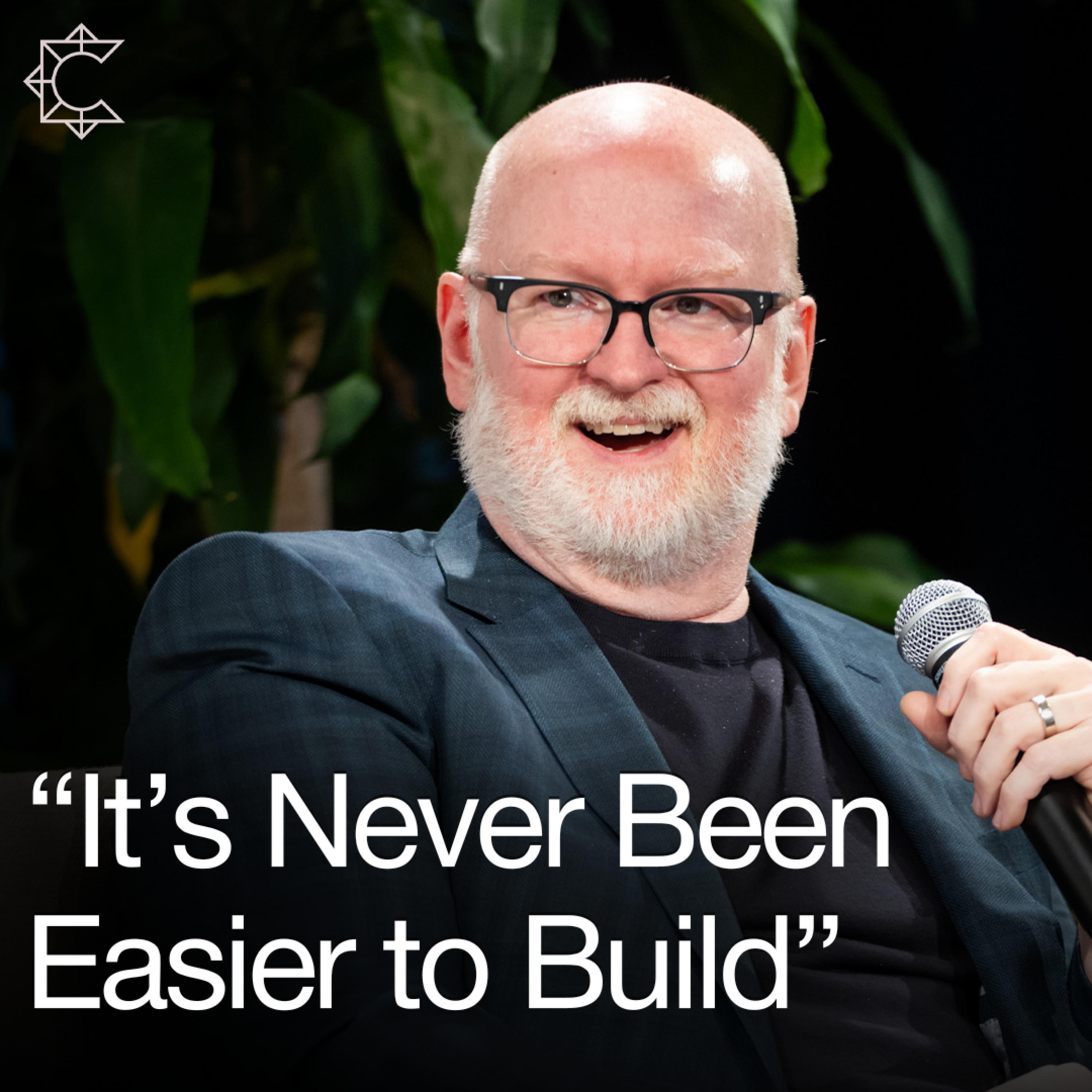
Borrowing a quote from Shopify's CEO, Mike Cannon-Brookes emphasizes that a founder's key responsibility is to counteract the natural decline in ambition that occurs as a company grows. They must constantly push the organization to remain bold and hungry.

Motivation from negative sources like resentment or proving others wrong (“dirty fuel”) can be a highly effective and persistent driver of achievement. While purpose-driven “clean fuel” may be healthier, the practical utility of a never-expiring chip on the shoulder should not be underestimated.
