Get your free personalized podcast brief
We scan new podcasts and send you the top 5 insights daily.
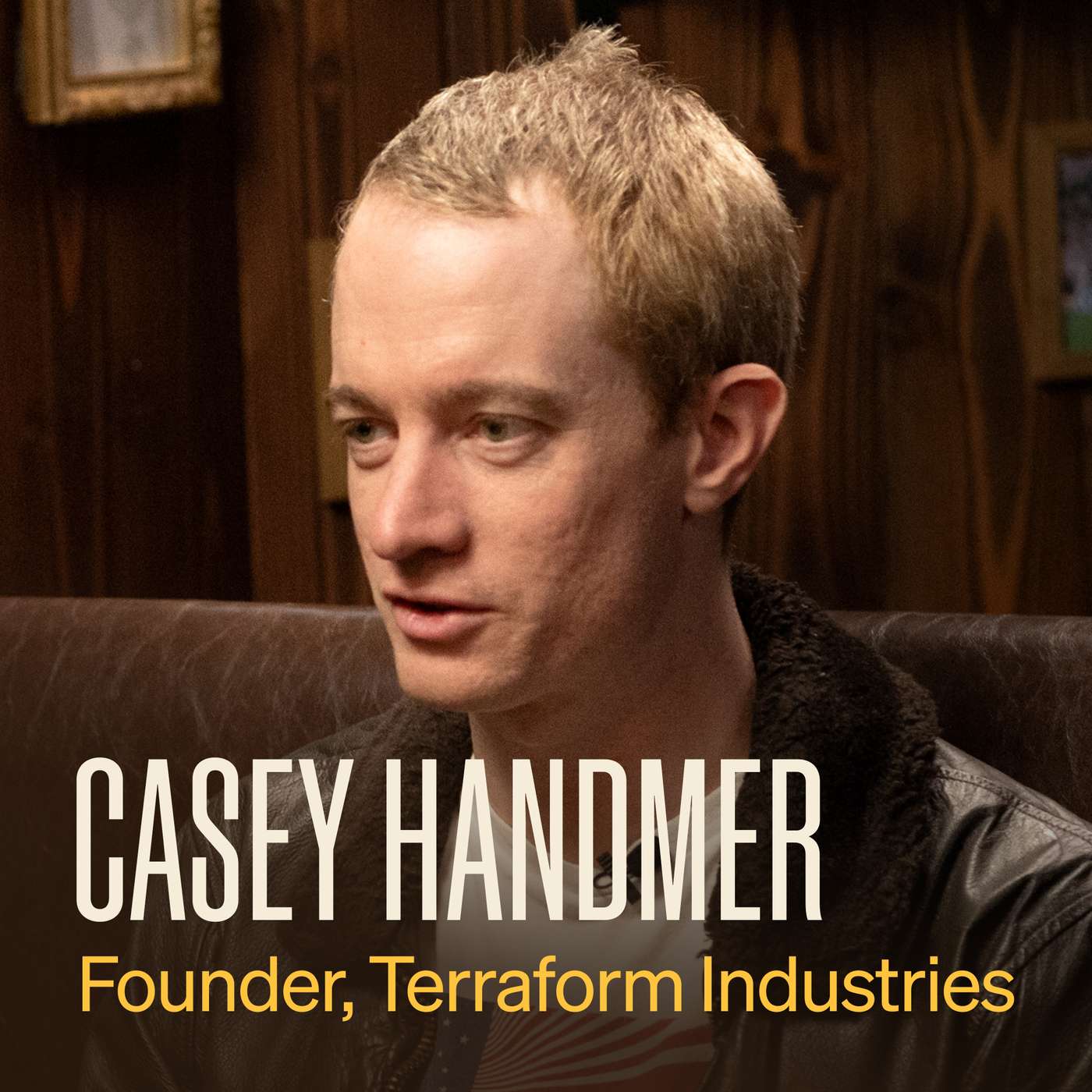
While one might hope to build a successful hardware company without being 'uncompromisingly demanding,' experience suggests otherwise. People are capable of far more than they believe, but almost always require extrinsic motivation. This tough leadership style appears necessary for succeeding in competitive hardware manufacturing.
Related Insights
Effective leadership in an innovation-driven company isn't about being 'tough' but 'demanding' of high standards. The Novonesis CEO couples this with an explicit acceptance of failure as an inherent part of R&D, stressing the need to 'fail fast' and learn from it.

The personality trait that drives outlier entrepreneurial success isn't mere ambition, but a "tortured" state of mind. These individuals feel a constant, painful inadequacy that compels them to achieve extraordinary things. This drive often comes at the expense of their personal well-being, family life, and mental health.
![[REPLAY] Morgan Housel – Same as Ever (EP.359) thumbnail](https://static.libsyn.com/p/assets/f/b/7/6/fb76e1c8bfb69e8dd959afa2a1bf1c87/CA_Square_logo_light_background_6.26.24.jpg)
The sign of a high-performing, intensely driven CEO is when they create enough productive tension that their board members occasionally worry if the team is being pushed too hard. This "occasional gear grind" indicates the company's engine is running at maximum capacity, which is necessary for breakout success.

Effective leadership in a fast-moving space requires abandoning the traditional org chart. The CEO must engage directly with those closest to the work—engineers writing code and salespeople talking to customers—to access unfiltered "ground truth" and make better decisions, a lesson learned from Elon Musk's hands-on approach.
A successful startup often resembles a cult, requiring a leader who communicates their vision with unwavering, first-person conviction. Hiding the founder behind polished PR spokespeople is a mistake; it neuters the contagious belief required to recruit talent and build a movement against impossible odds.

Ryan Holiday uses Elon Musk as a case study for how genius can curdle. When a brilliant leader stops receiving challenging external inputs, surrounds themselves with sycophants, and starts to believe their own hype, their decision-making faculties degrade, leading to poor outcomes and a loss of wisdom.

Musk's success stems from his unique ability to attract hyper-intelligent, maniacally driven individuals. These people are drawn to his high-stakes, high-pressure environment, choosing to "burn out under Musk" rather than be bored elsewhere, creating an unparalleled human capital advantage.

Beyond technology, Tesla's durable advantage is its 'capacity to suffer'—a willingness, driven by Elon Musk, to endure extreme hardship like 'manufacturing hell' to solve problems. This allows the company to pursue innovations that more risk-averse competitors would abandon.

Contrary to the model of steady weekly hours, Elon Musk’s effectiveness may come from a different pattern: identifying critical problems and applying short, intense bursts of obsessive micromanagement (e.g., 100-hour weeks sleeping on the factory floor) before pulling back.

Charlie Munger's comment on Elon Musk—"Never underestimate the man who overestimates himself"—highlights a paradox. Extreme self-belief, often a flaw, can be a founder's greatest asset, fueling the audacity required to pursue goals that rational minds dismiss as impossible.