Get your free personalized podcast brief
We scan new podcasts and send you the top 5 insights daily.
Inspired by executives from Apple's comeback era, Skydio requires its leaders to have both management skills and deep technical ability. The company believes you can't compromise, as the best leaders must be able to solve technical problems themselves.

Related Insights
The ideal founder archetype starts with deep technical expertise and product sense. They then develop exceptional business and commercial acumen over time, a rarer and more powerful combination than a non-technical founder learning the product.
![David George - Building a16z Growth, Investing Across the AI Stack, and Why Markets Misprice Growth - [Invest Like the Best, EP.450] thumbnail](https://megaphone.imgix.net/podcasts/8da7dbd8-ceeb-11f0-941c-ef83bcdd4c9f/image/d44107bc94719f78fbe91befb141073e.jpg?ixlib=rails-4.3.1&max-w=3000&max-h=3000&fit=crop&auto=format,compress)
The appointment of hardware lead John Ternus, following operations guru Tim Cook, reveals Apple's succession pattern. The company values leaders who can manage its complex physical product empire over those from software or marketing, viewing operational and hardware mastery as the core leadership competency for its CEO.

Robinhood's CEO Vlad Tenev reveals their strategy for maintaining design quality is to place the best craftspeople in leadership roles, rather than people who are just good managers. This ensures the leaders have trusted taste and keeps the focus on high-quality work, even during meetings.
According to Techstars' CEO David Cohen, standout AI companies are defined by their leadership. The CEO must personally embody an "AI-first" mindset, constantly thinking about leverage and efficiency from day one. It's not enough to simply lead a team of engineers who understand AI; the strategic vision must originate from the top.
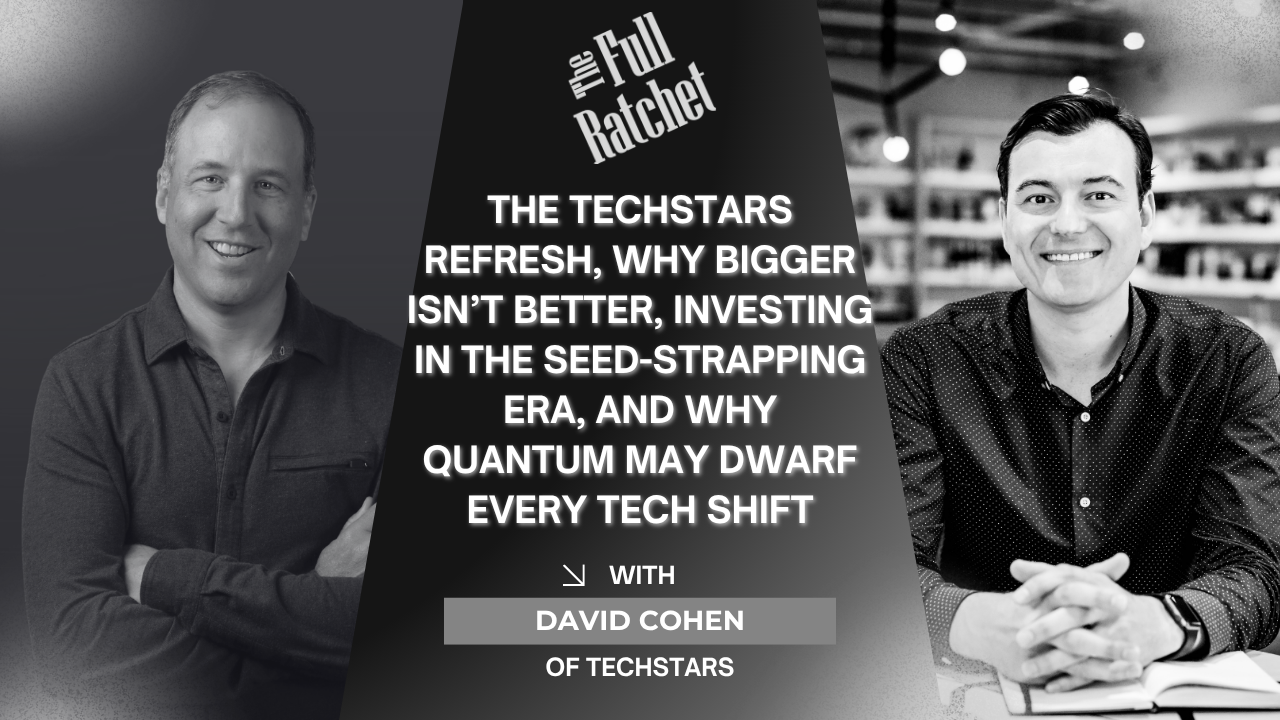
With his bioelectrical engineering background, Dara Khosrowshahi frames the CEO role as a large-scale engineering challenge. He sees companies as machines run by people, where the leader's job is to design the system, set the right goals, and assemble the components to achieve a desired output.

The best leaders don't just stay high-level. They retain the ability to dive deep into technical details to solve critical problems. As shown by Apple's SVP of Software, this hands-on capability builds respect and leads to better outcomes, challenging the 'empower and get out of the way' mantra.
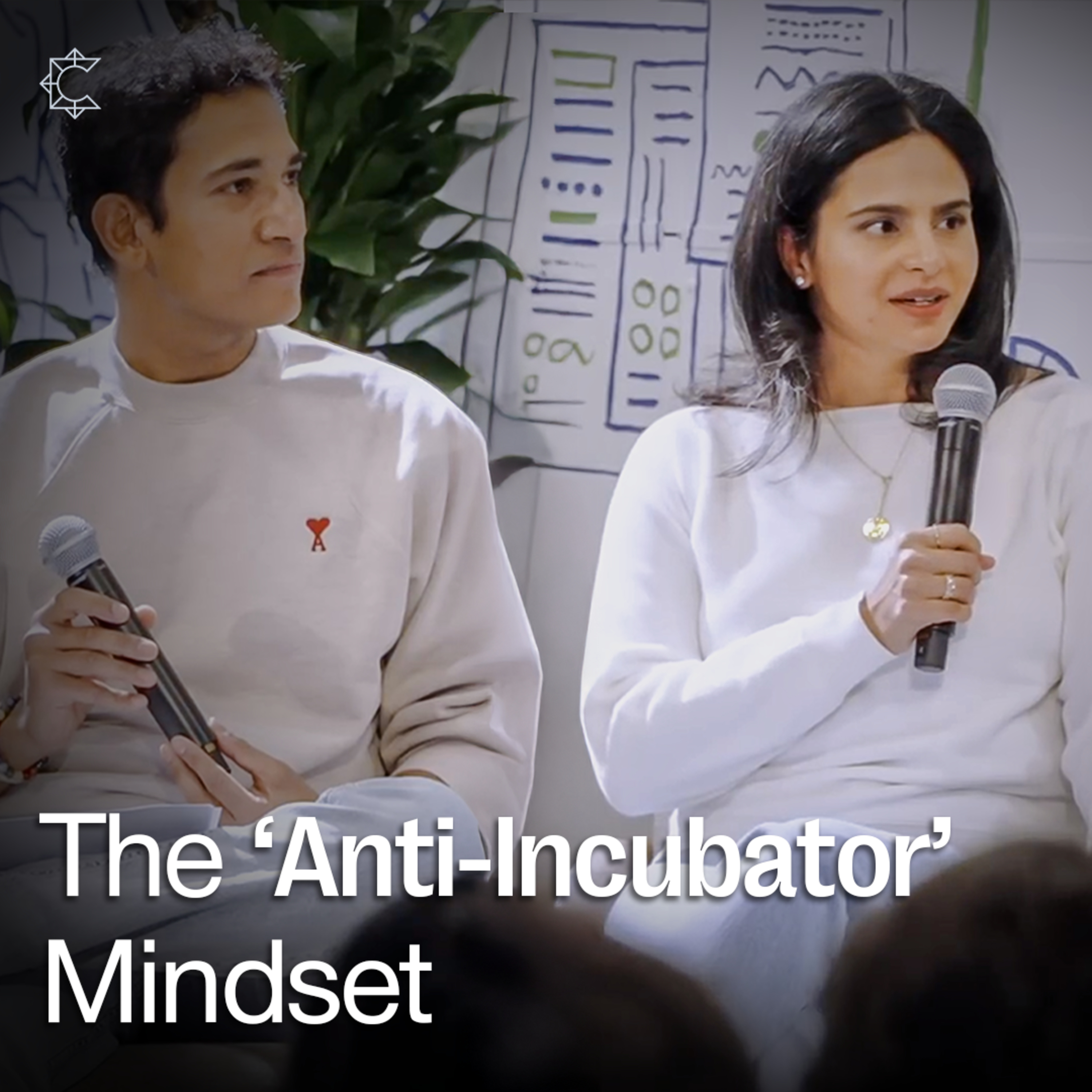
When hiring for the C-suite, the importance of domain expertise varies by role. For Chief Product Officers, a deep passion and knowledge of the problem space is critical for setting vision. For engineering leaders (CTOs/VPs), specific domain experience is less important than relevant tech stack knowledge and transformation skills.

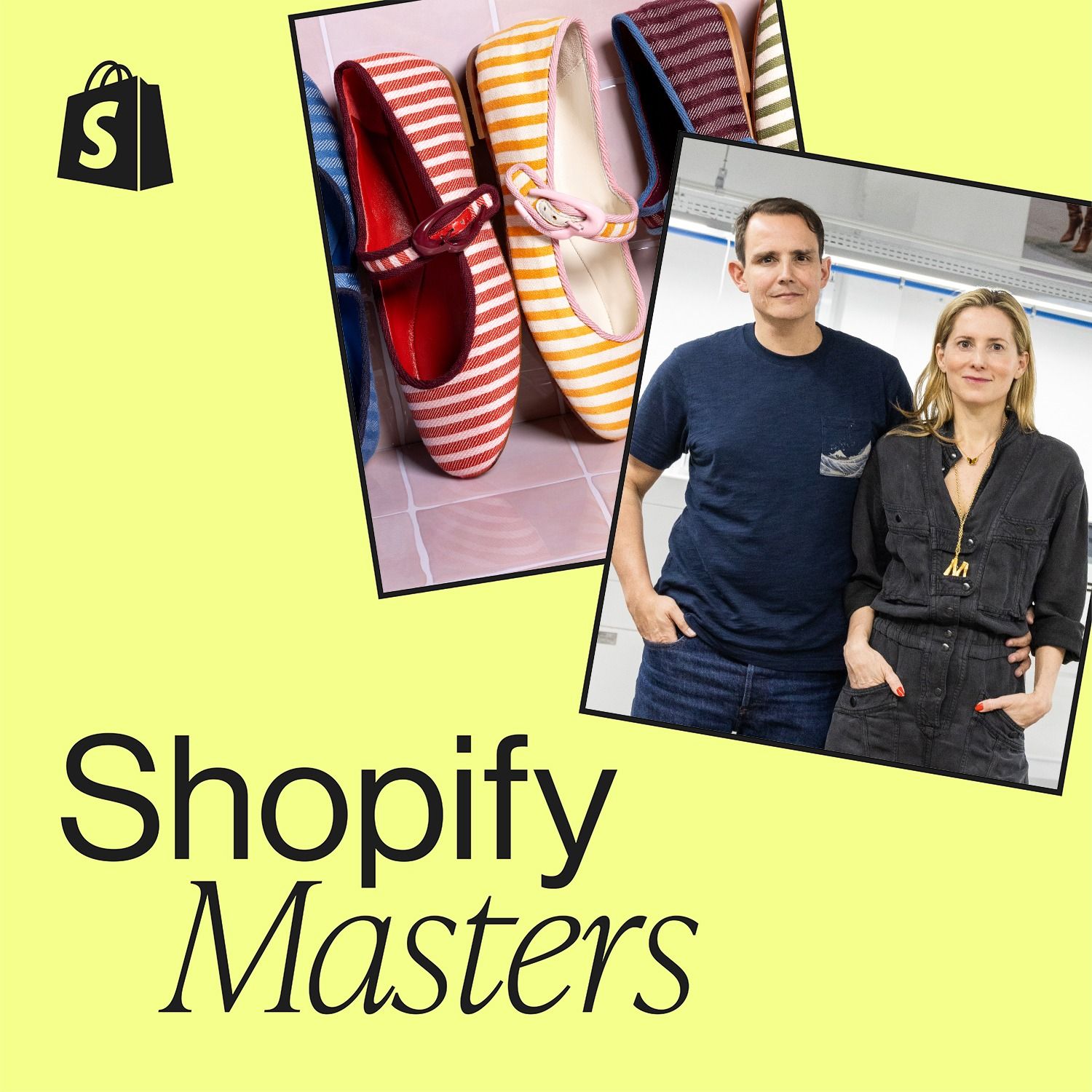
At Larroudé, the executive culture is "hands-on." Leaders are not just strategists who delegate; they must be able to execute tasks themselves. Furthermore, a critical hiring criterion for leadership is the ability to recruit, with the expectation that they can build out their own high-performing teams.
An engineering background provides strong first-principles thinking for a CEO. However, to effectively scale a company, engineer founders must elevate their identity to become a specialist in all business functions—sales, policy, recruiting—not just product.

The most important job of a leader is team building. This means deliberately hiring functional experts who are better than the CEO in their specific fields. A company's success is a direct reflection of the team's collective talent, not the CEO's individual brilliance.
