Get your free personalized podcast brief
We scan new podcasts and send you the top 5 insights daily.
While creators are obsessed with owning their intellectual property, Carter provides a pragmatic counterpoint. He emphasizes that ownership shifts the entire risk burden—including funding, growth capital, and monetization strategy—onto the creator, a significant challenge often overlooked in the rush for control.

Related Insights
Despite the massive OpenAI-Disney deal, there is no clarity on how licensing fees will flow down to the original creators of characters. This mirrors a long-standing Hollywood issue where creators under "work for hire" agreements see little upside from their creations, a problem AI licensing could exacerbate.

As AI democratizes content creation, the sustainable strategy for creators is to build an IP framework—a world with rules and a vibe—that empowers their community to co-create within it. This shifts the focus from top-down content to fostering a creative ecosystem, as exemplified by Rockstar's Grand Theft Auto.

Scott Galloway focuses on his own podcasts, where he controls the IP, to create a sellable asset. This is a higher priority than the larger revenue and reach from his shared-IP podcast, Pivot, where building enterprise value is difficult due to shared ownership.

Institutional ownership of intellectual property can stifle a clinician's motivation to commercialize their idea. Dr. Adam Power advocates for an 'inventor-owned' IP model, arguing that no university department or tech transfer office will ever match the round-the-clock drive of the inventor themself.

Holding a patent provides no inherent protection. Its value is only realized through active, and expensive, legal defense against infringers. Therefore, a startup's focus should be on building a profitable business first to generate the capital needed to enforce its IP.

While lucrative for top performers, being a content creator is fundamentally unscalable. The business is entirely dependent on the individual's daily effort and presence. If the creator stops producing content, the revenue stream disappears, creating a high-pressure 'prison' for the individual.

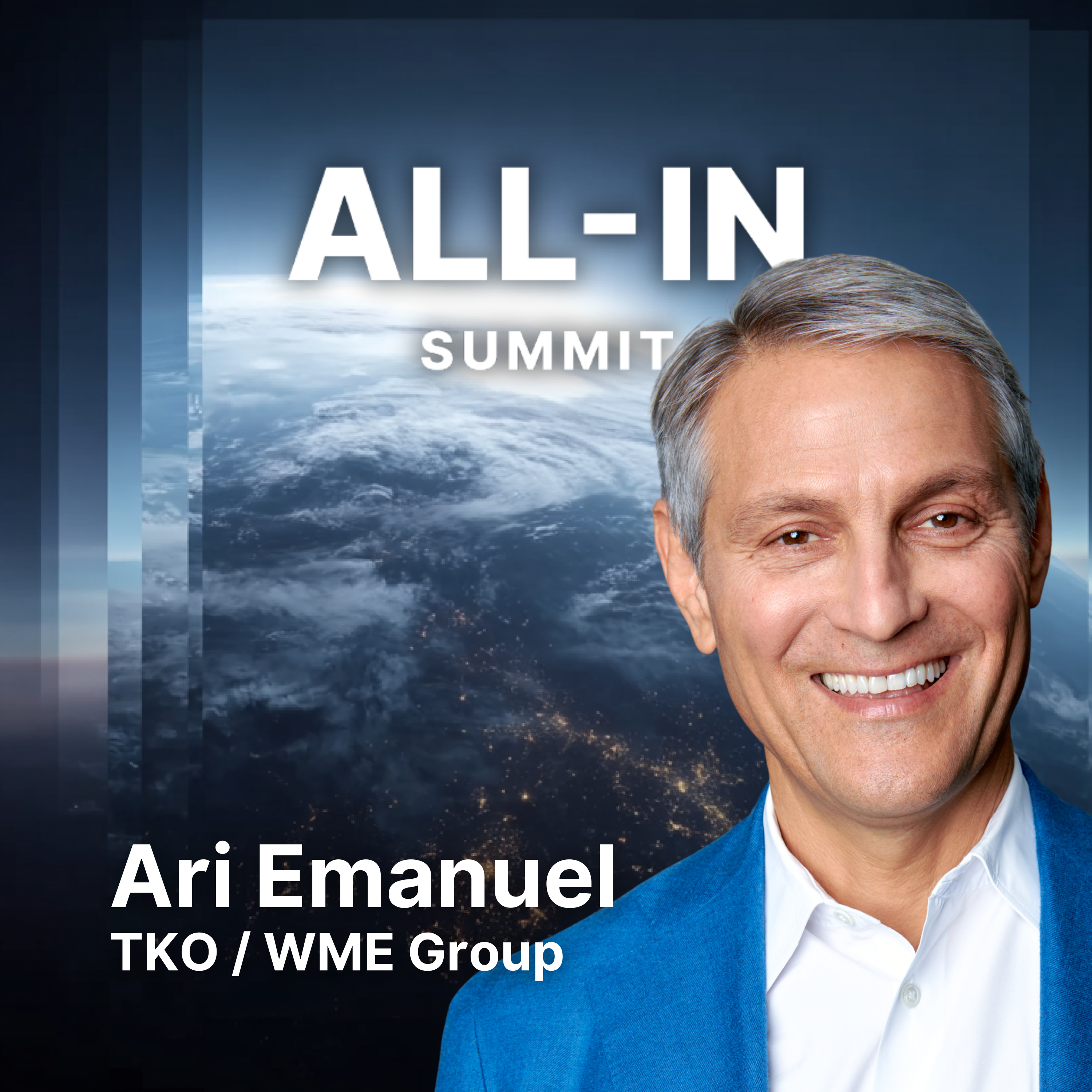
Ari Emanuel outlines a clear monetization evolution for independent creators. They begin with simple ad placements, graduate to larger integrated sponsor deals, and ultimately achieve the highest value by owning equity in their own product lines. This final step shifts them from being a marketing expense to an asset with a revenue multiple.
Actor Matthew McConaughey argues that fighting AI's integration into creative fields is futile. He advises creators to proactively "own yourself" by trademarking their voice and likeness. This reframes the relationship with AI from one of opposition to one of business, turning personal brands into licensable assets for AI-generated content, ensuring creators get paid.
Reframe IP from a legal asset to be protected into your 'intellectual perspective'—a unique viewpoint on how to do something. This mindset shifts focus from costly legal protection to creating shareable, repeatable frameworks that scale your business beyond your personal involvement.
In the creator economy, success isn't always defined by venture-backed growth. Many top creators intentionally cap their audience size and reject outside investment to maintain full control over their business and content, defining success as a sustainable, manageable enterprise rather than a unicorn.
