Get your free personalized podcast brief
We scan new podcasts and send you the top 5 insights daily.
Scott Galloway focuses on his own podcasts, where he controls the IP, to create a sellable asset. This is a higher priority than the larger revenue and reach from his shared-IP podcast, Pivot, where building enterprise value is difficult due to shared ownership.

Related Insights
The primary value of a company podcast isn't its audience size. Instead, view each long-form episode as an inexpensive production day that generates a wealth of raw footage. This material can then be sliced into dozens of short clips to fuel a high-volume organic social media strategy.

Blockworks is focusing its distribution on podcasts and newsletters to cultivate an "owned" audience with high loyalty. This is a strategic pivot away from relying on news-driven website visits, which constitute a less predictable "rented" audience that is harder to monetize for new data products.

Many founders focus on generating personal income, inadvertently creating a job they can't leave or sell. To build a true business asset, you must define an end goal (like a sale) from the beginning and structure operations, processes, and financials accordingly.
Dubner is self-funding and producing a pilot TV season before shopping it to networks. He describes this as building a 'spec house' or 'laundering podcast money,' a strategy for creators to maintain creative control and prove a concept on their own terms.

A podcast isn't just content; it's a tool for building parasocial relationships. This creates a "tuning fork" effect, attracting high-caliber listeners and guests who feel they already know you, leading to valuable real-world connections and opportunities.

Reframe IP from a legal asset to be protected into your 'intellectual perspective'—a unique viewpoint on how to do something. This mindset shifts focus from costly legal protection to creating shareable, repeatable frameworks that scale your business beyond your personal involvement.
Though often perceived as a low-status medium, podcasting provides unparalleled access to the world's most influential people. They participate because they benefit from your work, creating genuine relationships and opportunities that are inaccessible even to founders with significant venture capital backing.

Podcast listeners have higher average household incomes and greater purchasing intent. A small, dedicated audience built through the intimacy of audio is more valuable for monetization via courses and consulting than a massive but disengaged social media following.

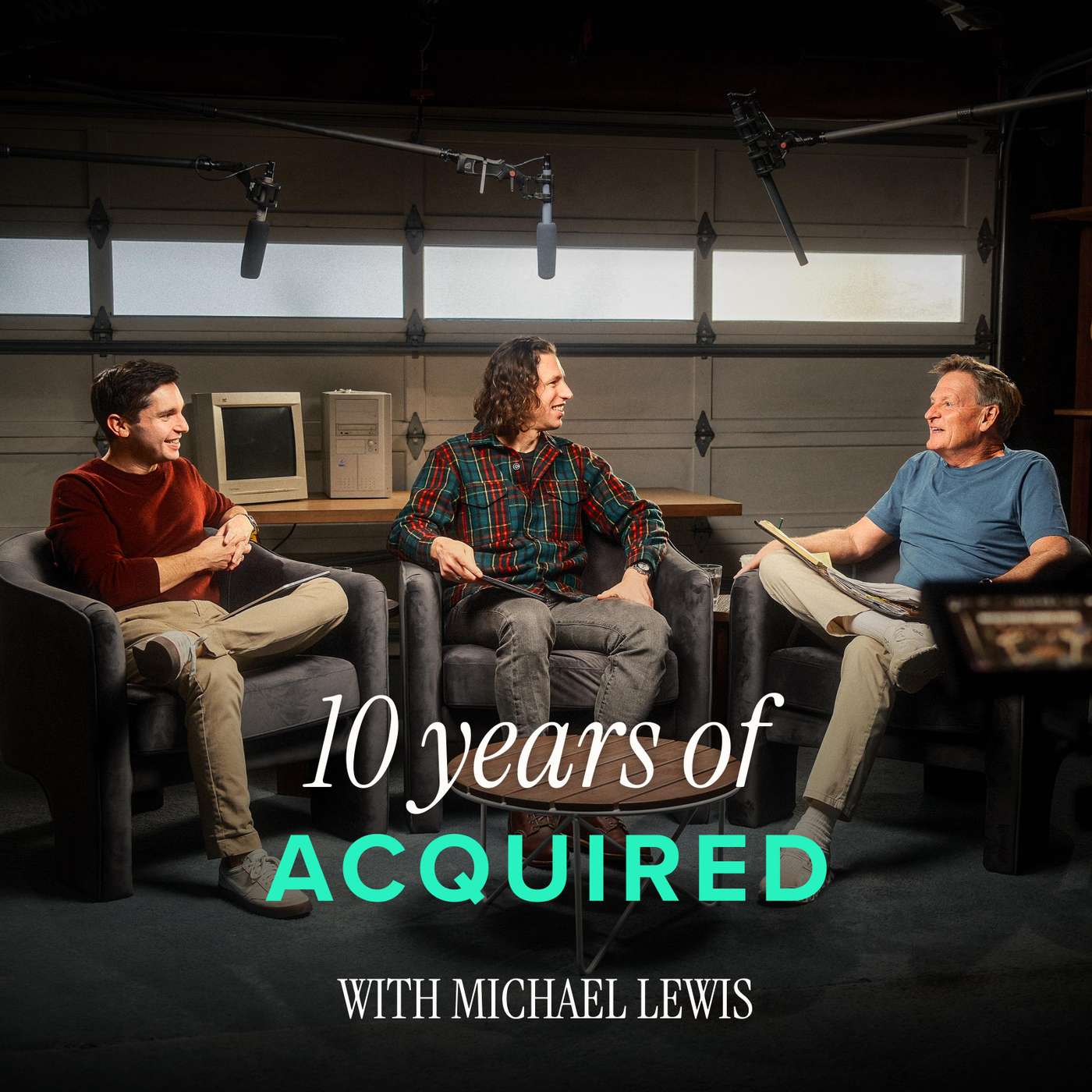
The founders of Acquired consciously choose not to build a large media company, a decision reinforced by an investor who warned that many founders become trapped in "prisons of their own making." By prioritizing founder control and lifestyle, they avoid the obligations that come with scaling an enterprise.
In the creator economy, success isn't always defined by venture-backed growth. Many top creators intentionally cap their audience size and reject outside investment to maintain full control over their business and content, defining success as a sustainable, manageable enterprise rather than a unicorn.
