Get your free personalized podcast brief
We scan new podcasts and send you the top 5 insights daily.
While lucrative for top performers, being a content creator is fundamentally unscalable. The business is entirely dependent on the individual's daily effort and presence. If the creator stops producing content, the revenue stream disappears, creating a high-pressure 'prison' for the individual.

Related Insights
The perception of a single individual producing a high volume of quality content is often a myth. Behind the scenes, a dedicated team handles research, idea generation, drafting, and editing. True scale and greatness in content creation are achieved through leveraging the "agency of others."

Despite the lucrative potential, best-selling author Morgan Housel intentionally avoids a subscription model. He believes the pressure to consistently produce content for paying subscribers ("feed the ducks because they're quacking") creates a dangerous dynamic, forcing creators to publish even when they lack inspiration, which harms the work's quality.

Hitting a major revenue goal can feel meaningless if it leads to burnout. This form of "success" simply replaces corporate constraints with entrepreneurial ones, creating a new trap that you've built for yourself.

Aspiring creators often try to emulate the high-frequency output of established figures, leading to burnout. A more sustainable approach is to assess your personal capacity and build a realistic content cadence. This prioritizes longevity and quality over sheer volume, which yields better long-term results and avoids quitting on day one.

The creator economy's foundation is unstable because platforms don't pay sustainable wages, forcing creators into brand-deal dependency. This system is vulnerable to advertisers adopting stricter metrics and the rise of cheap AI content, which will squeeze creator earnings and threaten the viability of the creator "middle class."

Despite creating world-changing marketing campaigns, Elon Lee felt trapped in his agency. The service model meant he only earned money while actively working. This realization drove him to seek a scalable, product-based business, highlighting the inherent limitations of trading time for money.

Contrary to popular belief, a creator's income doesn't scale linearly with their follower count. Higher earnings are driven by a lucrative niche (e.g., FinTech), brand safety, and treating content creation like a business. A creator with 30k followers can out-earn one with a million.

Focusing on personal gain (likes, fame, relevance) induces feelings of desperation and anxiety, which are antithetical to creativity. To maintain a consistent flow of ideas, shift your focus to being of service. This removes the pressure and makes content creation a natural byproduct of giving value.

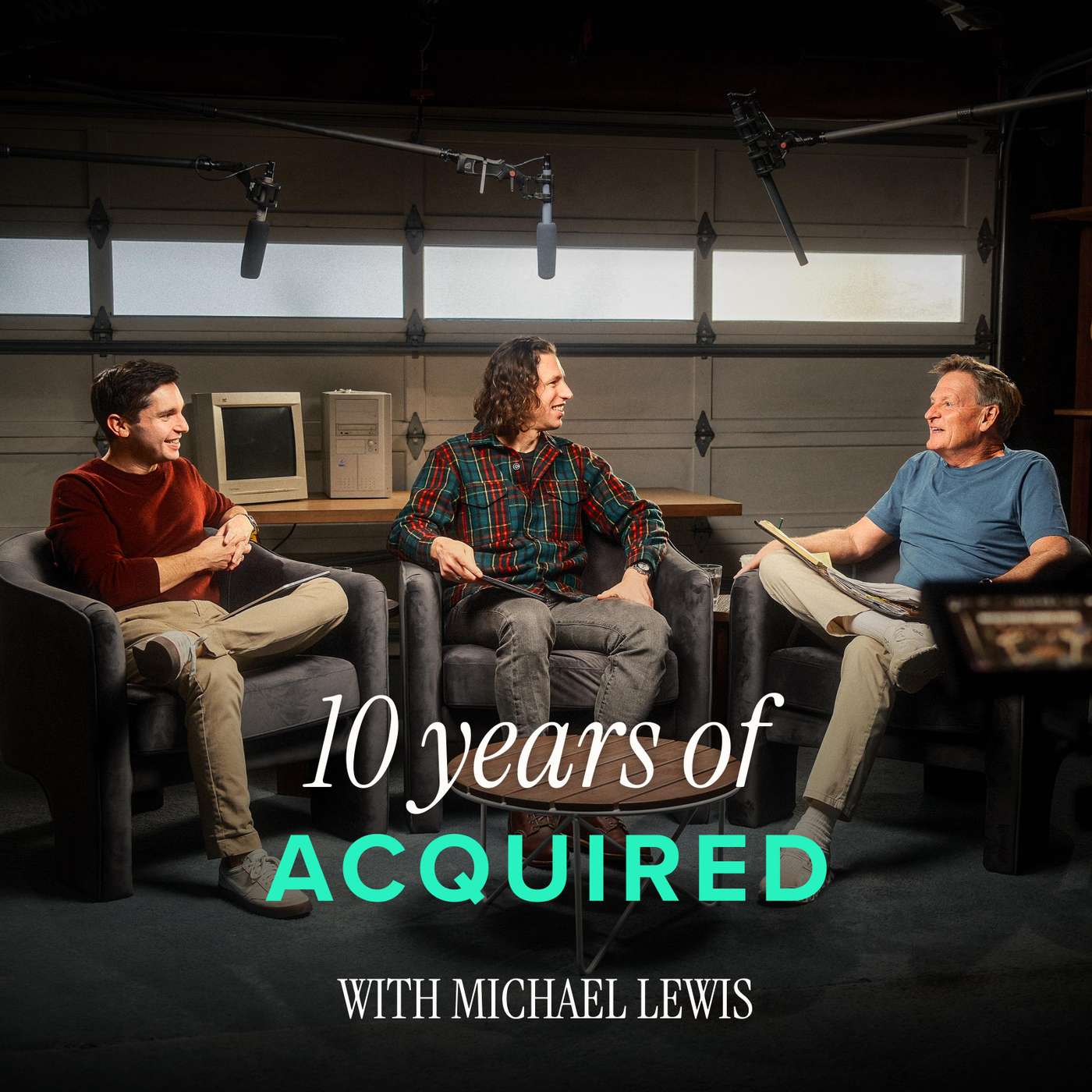
The founders of Acquired consciously choose not to build a large media company, a decision reinforced by an investor who warned that many founders become trapped in "prisons of their own making." By prioritizing founder control and lifestyle, they avoid the obligations that come with scaling an enterprise.
In the creator economy, success isn't always defined by venture-backed growth. Many top creators intentionally cap their audience size and reject outside investment to maintain full control over their business and content, defining success as a sustainable, manageable enterprise rather than a unicorn.
