Get your free personalized podcast brief
We scan new podcasts and send you the top 5 insights daily.
Consumer Reports' high-overhead model, with its own labs and union staff, struggles to compete with nimble digital outlets like Wirecutter. Its cost structure forces a focus on big-ticket items, leaving it vulnerable on smaller, more varied product categories.

Related Insights
Journalists known for breaking a few big stories a year at established outlets find the independent model challenging. A subscription business demands consistent value, but the time required for sales, marketing, and administration detracts from the deep-dive reporting needed for major scoops, creating a difficult trade-off.

The rapid, easy consumption of news hides the costly, time-intensive labor of reporting. Publishers must reveal this "behind-the-scenes" effort to re-educate readers on why quality journalism is a premium product, justifying the cost and combating the perception that it should be free.
With easy access to information, consumers are more knowledgeable than ever about complex topics, from social media algorithms to product specifications. Brands can no longer rely on information asymmetry and must establish themselves as credible authorities capable of educating and dispelling misinformation.

To maintain a competitive edge, Mastercard's CEO personally uses rival products like Visa or AmEx. He frames this as "testing out" the competition to understand their user experience firsthand and provide direct feedback to his own product teams.
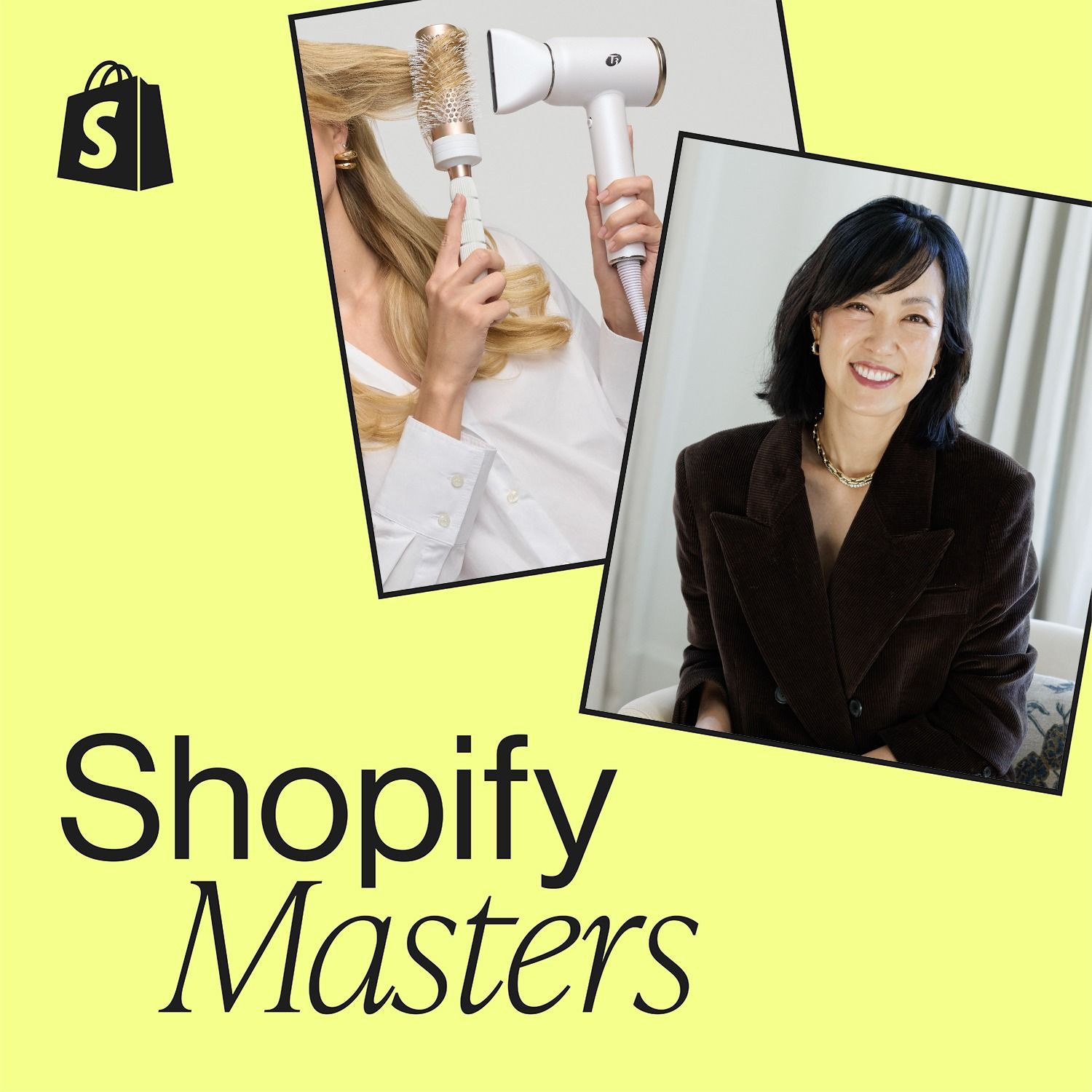
When large appliance companies like Dyson entered the premium hair tool market, T3 was initially intimidated. However, their massive marketing budgets raised overall category awareness and normalized higher price points. This repositioned T3 as an 'affordable luxury' and ultimately boosted their business, demonstrating that new competition can grow the pie for everyone.
When launching an innovative product, the cost of educating consumers is a direct hit to margins. Many great products fail not because they are inferior, but because the expense of explaining their value is too high to sustain profitability, a concept described as "education eats margins."

Large CPG players have slow, agency-driven feedback loops. Nimble DTC brands can win by rapidly testing creative, messaging, and offers online, gaining an insurmountable learning advantage. Speed itself becomes the strategic edge, not just a byproduct of being small.

What people claim they will do in surveys often differs dramatically from their actual purchasing behavior. This phenomenon, 'consumer dissonance,' makes survey data on price sensitivity and buying intent highly unreliable. Real-world A/B testing or sales data provides a far more accurate predictor of consumer action.

Large brands are falling into the trap of "small brand envy," trying to replicate the playbooks of agile D2C startups. This is a flawed strategy, as the tactics required to maintain market leadership are fundamentally different from those used for initial growth.

The shopping app Dupe strategically focused on furniture, a category ripe for disruption because items are often white-labeled and consumers shop for the "look" rather than a specific brand. This model is harder to apply in logo-driven categories like high fashion.
