Get your free personalized podcast brief
We scan new podcasts and send you the top 5 insights daily.
Scott Galloway reveals his prolific book-writing is not primarily driven by passion or commercial ambition, but by a fear of dementia. He views the mentally strenuous process of researching, structuring a narrative, and creating nuance as a form of cognitive exercise. For him, writing is a health and longevity strategy to keep his mind sharp.

Related Insights
The act of consistently publishing ideas, such as in a weekly newsletter, imposes a discipline that rewires your brain. It forces you to organize complex thoughts, articulate them clearly, and ultimately improves your entire decision-making process in investing, business, and life.

When faced with profound trauma like a loved one's terminal diagnosis, the act of writing becomes a lifeline. It is not about crafting a narrative for later but about processing overwhelming events as they unfold, creating a way to survive the horror.

Medium's CEO argues that writing's future is secure because its core function is the process of structured thinking, not just content output. The act of articulating ideas reveals flaws and deepens understanding for the writer—a cognitive benefit that delegating to AI would eliminate.
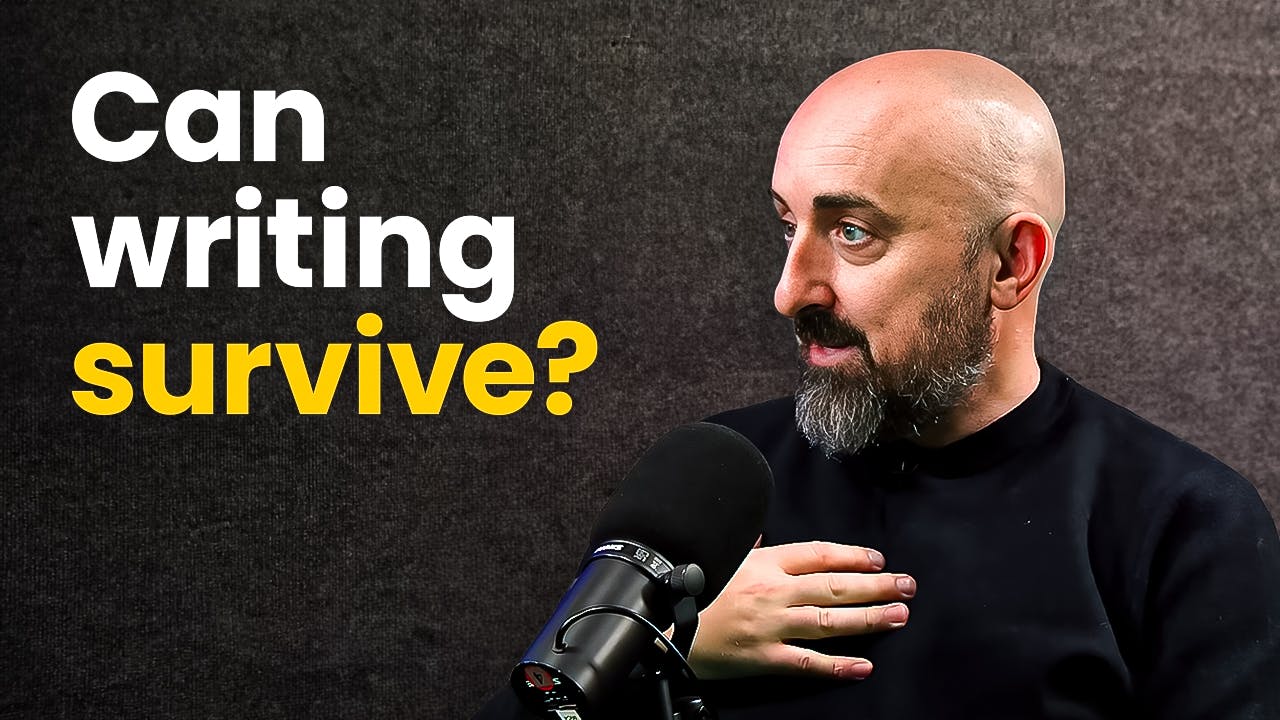
The process of articulating ideas in writing forces clarity and exposes flaws that remain hidden when they are just thoughts. It serves as a powerful filtering mechanism for bad ideas before they consume resources.

It's possible to have a brain full of amyloid plaques (a hallmark of Alzheimer's) yet show no cognitive decline. This is due to 'cognitive reserve,' the brain's ability to withstand damage. Building this reserve through activities like reading, writing, and exercise is a key defense.

Delegating cognitive tasks to AI can lead to skill atrophy, much like GPS has weakened our natural navigation abilities. Deliberately avoid using AI for core competencies like synthesizing information or creative writing to keep those mental muscles strong.

Intentionally placing your brain in a state of frustration, such as when learning a new computer operating system, is excellent mental exercise. This forces the brain to change gears and rewire, which helps prevent cognitive decline.

Scott Galloway notes that as he's gotten older and more successful, he's become less fearless. He argues his early success stemmed from a willingness to risk public failure, a trait he now consciously seeks to reignite to stay "in the game."

For Shaka Senghor in solitary confinement, reading was a survival tool, not just a pastime. It allowed his mind to keep moving forward, preventing the mental paralysis and stagnation that accompanies depression and feeling stuck, both literally and figuratively.

Despite 50+ consecutive number one bestsellers, Grisham fears his next book will fail. He views this self-doubt as a healthy, essential part of the creative process that prevents complacency. This mindset is crucial for sustained high performance in any field, reminding creators that fear can be a productive force.
