Get your free personalized podcast brief
We scan new podcasts and send you the top 5 insights daily.
Many call for more large-scale societal projects like the Apollo or Manhattan Projects. However, these were not just public works; they were military or quasi-military efforts born from an arms race. Replicating them requires a more militarized society, a trade-off that is often overlooked.

Related Insights
The romantic notion that the US can rapidly pivot its industrial base for war is a misleading myth. Today's weapons are vastly more complex and reliant on fragile global supply chains for components that are controlled by adversaries, making a WWII-style industrial mobilization impossible without years of preparation.

Many beloved monuments were controversial upon creation. The Eiffel Tower was criticized as ugly but was primarily a demonstration of French steel-making prowess. This suggests that today's ambitious, technologically advanced projects may face similar initial public resistance before becoming iconic.

The creation of potentially harmful technology, like AI-powered bot farms, is framed as a necessary evil. The argument is for the US to govern and control such tech, it must lead its development, preventing foreign adversaries from dominating a technology that has already 'wreaked havoc.'

The National Security Commission on AI advocates that to win the AI arms race, the U.S. must replicate China's "civil-military fusion" model, which deeply integrates the private tech sector with the military. This strategy risks sacrificing American civil liberties and values under the justification of national security, essentially arguing we must become China to beat China.

Describing space exploration as a 'cash grab' isn't cynical; it's a recognition of fundamental human motivation. Money acts as 'proof of work,' incentivizing people to dedicate time and resources to difficult, long-term goals. Without a profit motive, ambitious endeavors like becoming a multi-planetary species would never attract the necessary capital and talent.

From the transcontinental railroad to the Apollo missions, the U.S. once had a powerful engineering culture that drove national progress. This identity has been lost, replaced by a lawyerly culture that prioritizes obstruction over construction, leading to decaying infrastructure and societal stagnation.

The confirmation of NASA's administrator hinges on a fundamental strategic question: Moon or Mars? This isn't just a scientific debate but a political and economic one, affecting different contractors, constituents, and geopolitical goals, like counterbalancing China's progress on the moon. The choice dictates NASA's entire focus.

Geopolitical competition with China has forced the U.S. government to treat AI development as a national security priority, similar to the Manhattan Project. This means the massive AI CapEx buildout will be implicitly backstopped to prevent an economic downturn, effectively turning the sector into a regulated utility.

While private companies like SpaceX drive innovation, the decline of public agencies like NASA removes a powerful, non-partisan source of national pride. Shared national endeavors create "connective tissue" that brings citizens together across political divides, a cultural benefit that private, profit-driven enterprise cannot replicate.

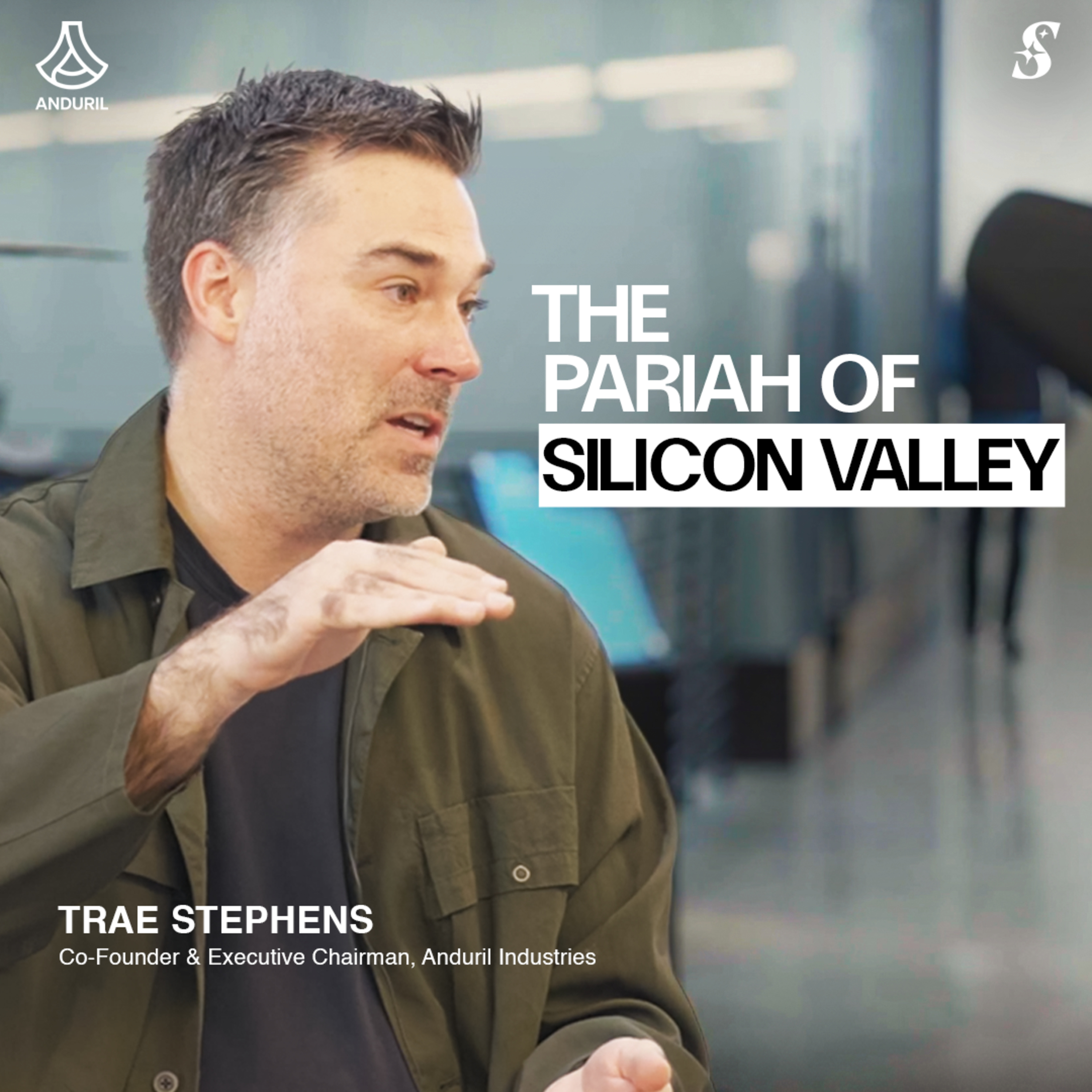
Anduril's co-founder argues America's atrophied manufacturing base is a critical national security vulnerability. The ultimate strategic advantage isn't a single advanced weapon, but the ability to mass-produce "tens of thousands of things" efficiently. Re-industrializing is therefore a core pillar of modern defense strategy.