Get your free personalized podcast brief
We scan new podcasts and send you the top 5 insights daily.
To maintain premium pricing and protect brand equity, Arcteryx deliberately cut back on wholesale distribution, shifting sales from 20% direct-to-consumer to 80% direct-to-consumer. This strategic move gave the company complete control over pricing and supply. Combined with technical, high-supplier garment engineering, this pivot allowed Arcteryx to position itself as high-end outdoor luxury and quadruple its annual revenue to $2 billion.

Related Insights
Instead of competing on price, heritage brand Levi's drove an 8% sales jump by introducing its most expensive jeans ever—a premium Japanese denim line priced over $300. This successful premiumization strategy shows that even mass-market brands can fuel growth by targeting affluent consumers willing to pay more for perceived quality and exclusivity.
The long-term strategy for brands you carry is to go direct-to-consumer, cutting you out. The only sustainable defense for a retailer is to build its own brand equity by creating and marketing its own private-label products, transitioning from a utility to a destination brand.

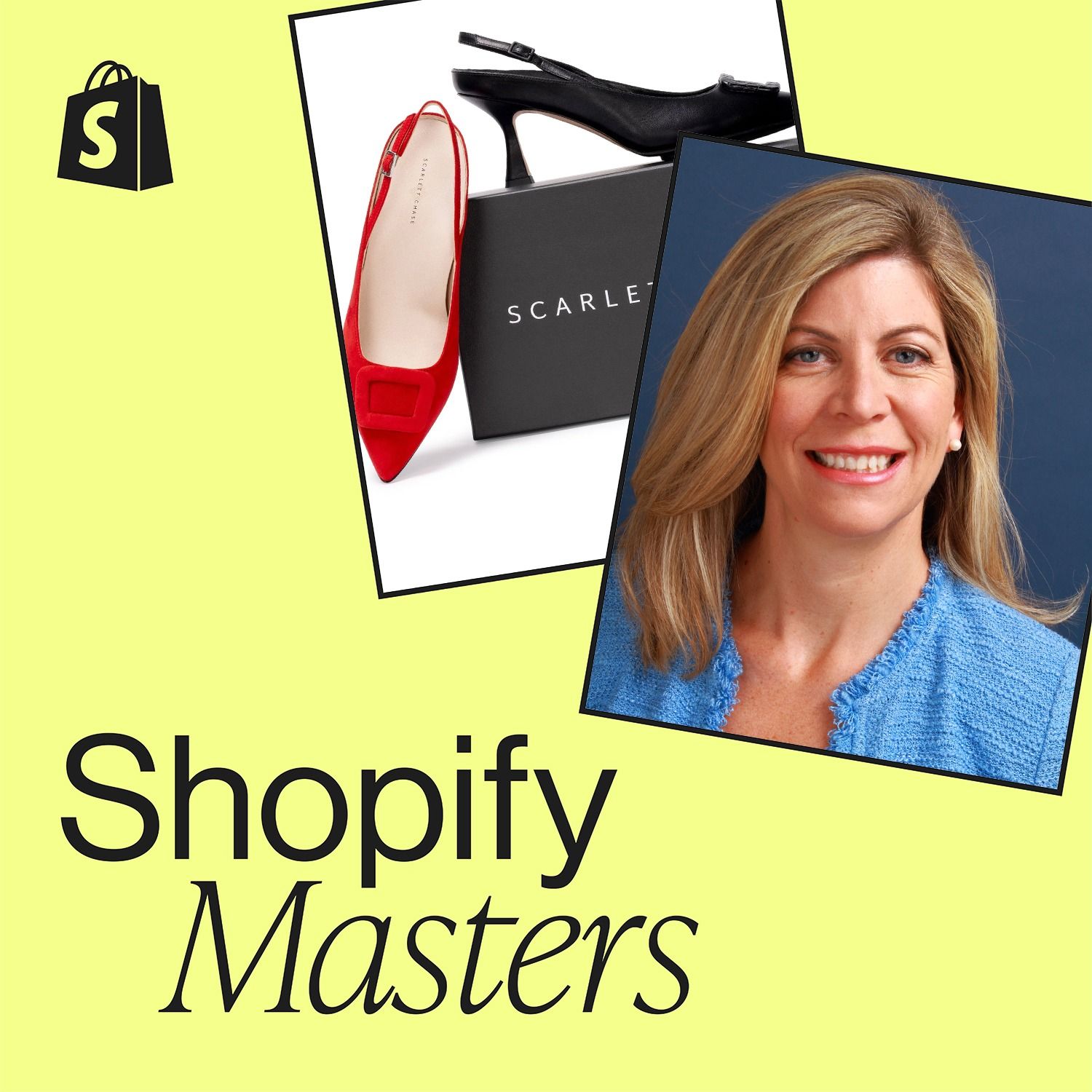
Instead of lowering prices to capture a wider audience, Scarlet Chase embraces a high-end niche. The founder's philosophy is that diluting the product's quality for broader appeal is a mistake. The strategy is to deliver exceptional value to a focused group of customers who can afford and appreciate the investment.
By avoiding wholesale, which consumes margin, Every Other Thursday can price its high-quality goods below competitors. This direct model provides flexibility to absorb higher production costs and prioritize a better value proposition for the end customer.

In a crisis, a contrarian strategy can win. As competitors pivoted to a DTC-only model during COVID, Bogg Bag intensified its support for wholesale partners. This helped small boutiques survive and turned them into powerful, loyal advocates for the brand.

For a premium DTC brand, broad retail expansion is a trap that reduces margins, invites knockoffs, and cheapens the brand. Instead, selectively partner with only a few key, trusted retailers to reach new, targeted audiences without overexposing the product and sacrificing its premium positioning.
The polo shirt has become a commodity. By selling a new line only through room service at a trendy hotel, Lacoste associates its product with luxury and indulgence. This reframes the item, retraining customers to accept a premium price point.
The high price point wasn't a psychological positioning tactic. It was a practical necessity based on the cost of goods and the required margins for both retailers and YETI itself. The perception of a "premium" product was a byproduct of this sustainable cost structure.
A brand's most lucrative customer segment is not always the audience it designed products for. Arcteryx was created for rugged mountain climbers, but its explosive revenue growth was driven by urban fashionistas and finance professionals embracing Gorpcore. Even though leadership openly avoids designing for trend-chasers, resisting adoption by affluent cultural subcultures can clash with the commercial reality driving modern retail expansion.
The core value of department stores like Saks was curating multiple luxury brands in one place. However, with brands like Louis Vuitton building their own flagship stores and generating 95% of sales directly, they have bypassed the middleman. This direct access to consumers makes the traditional department store model obsolete.