Get your free personalized podcast brief
We scan new podcasts and send you the top 5 insights daily.
By avoiding wholesale, which consumes margin, Every Other Thursday can price its high-quality goods below competitors. This direct model provides flexibility to absorb higher production costs and prioritize a better value proposition for the end customer.

Related Insights
Plant Material vets its hard-good suppliers based on their online pricing strategy. If a brand allows its products to be sold at wholesale prices directly to consumers online, the company won't carry them, proactively protecting its ability to compete and maintain retail margins.

The long-term strategy for brands you carry is to go direct-to-consumer, cutting you out. The only sustainable defense for a retailer is to build its own brand equity by creating and marketing its own private-label products, transitioning from a utility to a destination brand.

Numi initially used a wholesale model but found it ineffective. They were relying on third-party retail staff to explain a new product category and address the social stigma around sweating. Shifting to direct-to-consumer (DTC) allowed them to control the narrative, educate customers directly, and grow 300%.
Traditional supermarkets derive significant revenue from suppliers through slotting fees and co-op marketing. Trader Joe's rejects this entire "shadow economy," making money only when a customer buys a product. This aligns their incentives completely with the customer, ensuring shelf space is earned by demand, not supplier payments.
Marcia Kilgore's Beauty Pie bypasses the traditional multi-layer distribution system where markups can exceed 1200%. By selling high-end products directly to consumers at the price they land in the warehouse, the company offers luxury quality at a fraction of the typical retail cost.

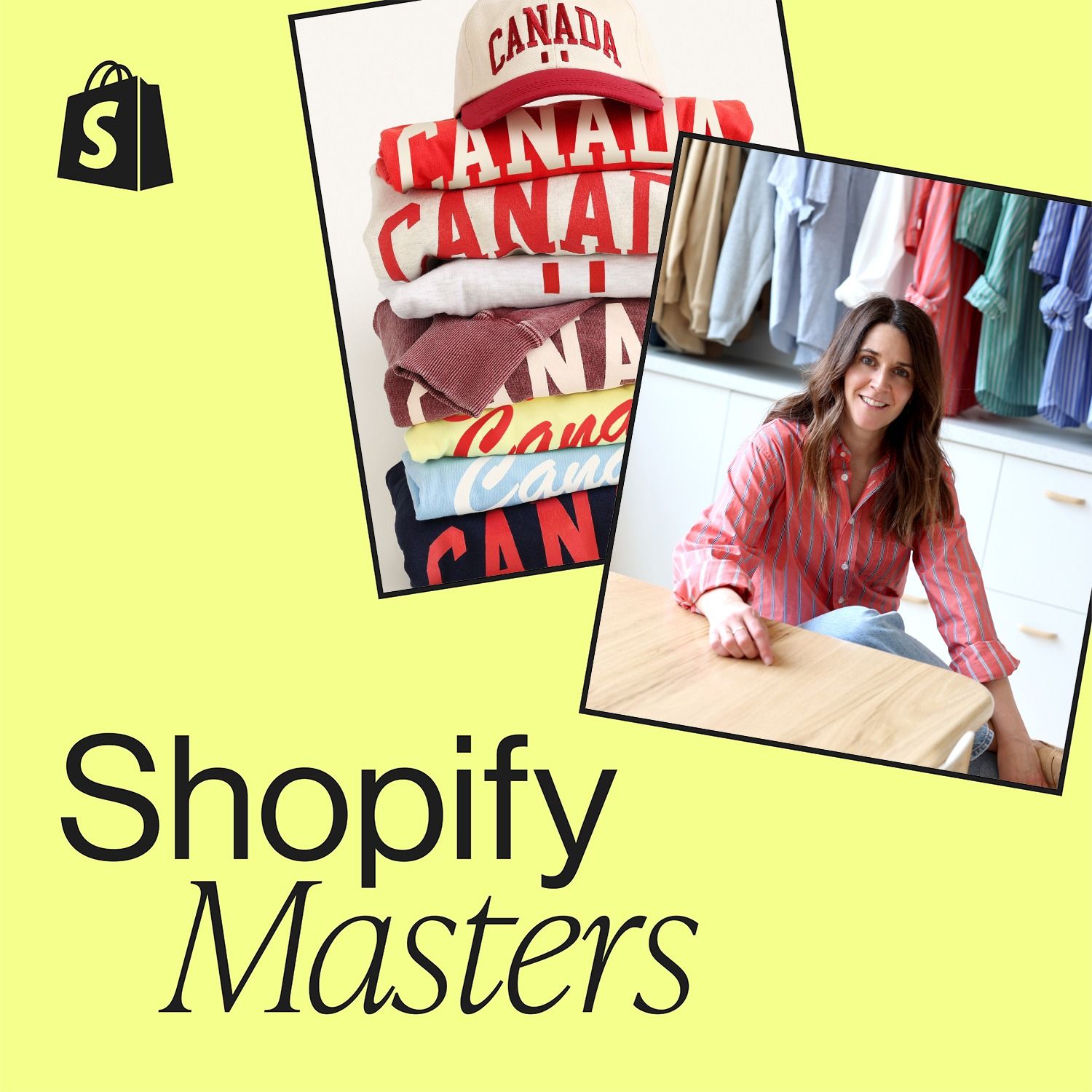
Province of Canada intentionally built an 'anti-fashion' brand by focusing on timeless basics rather than seasonal collections. This simplifies inventory, creates dependable products for customers, and allowed them to avoid the high-pressure, discount-driven wholesale cycle, leading to a more stable business.
For a premium DTC brand, broad retail expansion is a trap that reduces margins, invites knockoffs, and cheapens the brand. Instead, selectively partner with only a few key, trusted retailers to reach new, targeted audiences without overexposing the product and sacrificing its premium positioning.
PDD's Consumer-to-Manufacturer (C2M) model aggregates demand through group buys, then places bulk, white-label orders directly with factories. This eliminates brand, distribution, and wholesale costs, and minimizes inventory risk for manufacturers.

Unlike most retailers who take cost savings as margin, Costco passes all efficiency gains to the customer. This continuously widens its value proposition and competitive advantage, making it nearly impossible for rivals to match its prices and value.

Elf maintains low prices by embedding its own quality control and lean manufacturing teams within partner supplier facilities. This hybrid model gives them a high degree of control over cost and speed, allowing them to sell products like a $3 lipstick profitably, even amidst inflation and tariffs.
