Get your free personalized podcast brief
We scan new podcasts and send you the top 5 insights daily.
There is no reliable protection for a phone's confidentiality if a government targets you. Advanced 'no-click exploit' systems like Pegasus can turn on a phone's camera and microphone remotely, even if the device is powered off. Any security patch from companies like Apple is quickly overcome by thousands of developers working on new exploits.

Related Insights
The ecosystem of downloadable "skills" for AI agents is a major security risk. A recent Cisco study found that many skills contain vulnerabilities or are pure malware, designed to trick users into giving the agent access to sensitive data and systems.
By integrating with messaging and files, Claude Bot creates attack vectors for social engineering, such as executing fraudulent wire transfers. This level of risk makes it impossible for major tech companies to release a similar product without solving complex security and containment issues first.

Laws like the DMCA criminalize bypassing a manufacturer's technical protections, even for lawful purposes on a device you've purchased. This prevents users from adding privacy tools or developers from creating competing software.

While ubiquitous surveillance seems like a deterrent, meticulous predators can circumvent it. Israel Keyes operated post-9/11 by carefully managing his digital footprint. Other criminals evade detection by targeting marginalized victims who receive less law enforcement attention, or by physically removing surveillance equipment from crime scenes.

Enabling third-party apps within ChatGPT creates a significant data privacy risk. By connecting an app, users grant it access to account data, including past conversations and memories. This hidden data exchange is crucial for businesses to understand before enabling these integrations organization-wide.

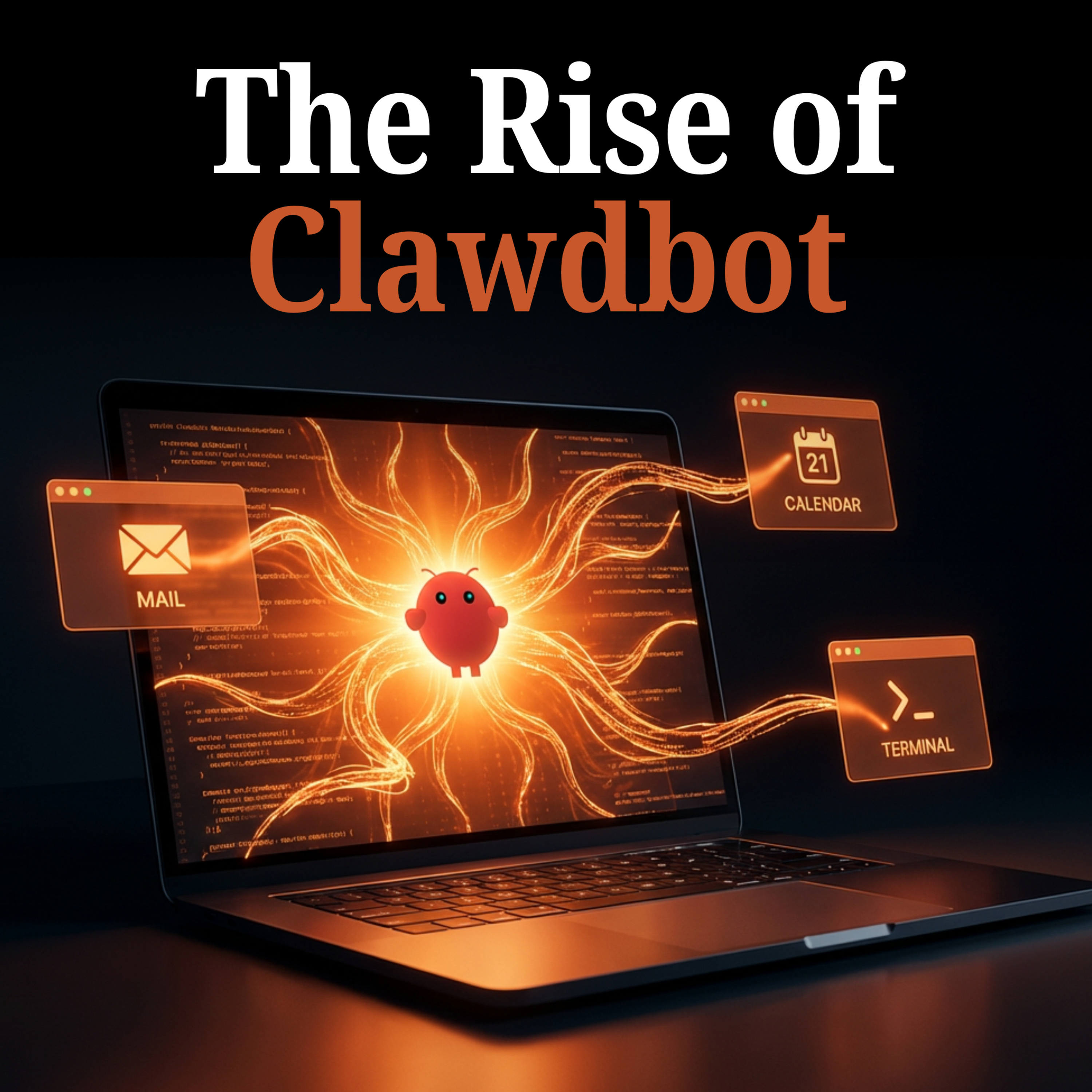
Autonomous agents like OpenClaw require deep access to email, calendars, and file systems to function. This creates a significant 'security nightmare,' as malicious community-built skills or exposed API keys can lead to major vulnerabilities. This risk is a primary barrier to widespread enterprise and personal adoption.

Powerful local AI agents require deep, root-level access to a user's computer to be effective. This creates a security nightmare, as granting these permissions essentially creates a backdoor to all personal data and applications, making the user's system highly vulnerable.

Former CIA officer John Kiriakou claims, based on WikiLeaks' Vault 7, that intelligence agencies can remotely control a car's computer to cause a crash or convert a smart TV's speaker into a microphone for surveillance, even when the device is off.
AI researcher Simon Willis identifies a 'lethal trifecta' that makes AI systems vulnerable: access to insecure outside content, access to private information, and the ability to communicate externally. Combining these three permissions—each valuable for functionality—creates an inherently exploitable system that can be used to steal data.
The agent's ability to access all your apps and data creates immense utility but also exposes users to severe security risks like prompt injection, where a malicious email could hijack the system without their knowledge.