Get your free personalized podcast brief
We scan new podcasts and send you the top 5 insights daily.
While ubiquitous surveillance seems like a deterrent, meticulous predators can circumvent it. Israel Keyes operated post-9/11 by carefully managing his digital footprint. Other criminals evade detection by targeting marginalized victims who receive less law enforcement attention, or by physically removing surveillance equipment from crime scenes.

Related Insights
The chance of getting away with murder is now a coin flip. This isn't due to a single issue but a confluence of factors: witnesses won't cooperate, crime has shifted from domestic to random, digital evidence overwhelms investigators, and the most experienced detectives have retired, creating a massive skills gap.

When cities stop prosecuting crimes like shoplifting under the assumption it's driven by poverty, they inadvertently create a lucrative market for organized crime. Sophisticated gangs exploit this leniency to run large-scale theft operations, harming the community more than the original policy intended to help.
Sophisticated gangs are using drones with their ADS-B trackers removed to scout wealthy homes without detection. Meanwhile, federal regulations prevent local law enforcement from deploying counter-drone technology, creating a situation where criminals have superior aerial capabilities and police have their hands tied.

When communities object to surveillance technology, the stated concern is often privacy. However, the root cause is usually a fundamental lack of trust in the local police department. The technology simply highlights this pre-existing trust deficit, making it a social issue, not a technical one.
The thieves' success hinged on using seemingly ordinary professional equipment in broad daylight. A truck-mounted furniture elevator allowed them to access a second-floor gallery without raising suspicion, as they looked like regular workers. This highlights the power of social engineering in physical security breaches.

Contrary to popular belief, law enforcement in the U.S. fails to solve the majority of homicides. The national average clearance rate is only 40%. The situation is even worse for non-violent crimes like car theft, where offenders have an 85% chance of getting away with it entirely.
Sophisticated fraudsters exploit socio-political tensions by strategically deploying accusations of racism. This tactic is used to deter investigations, shame government actors into compliance, and secure a "free pass" to continue stealing hundreds of millions of dollars.

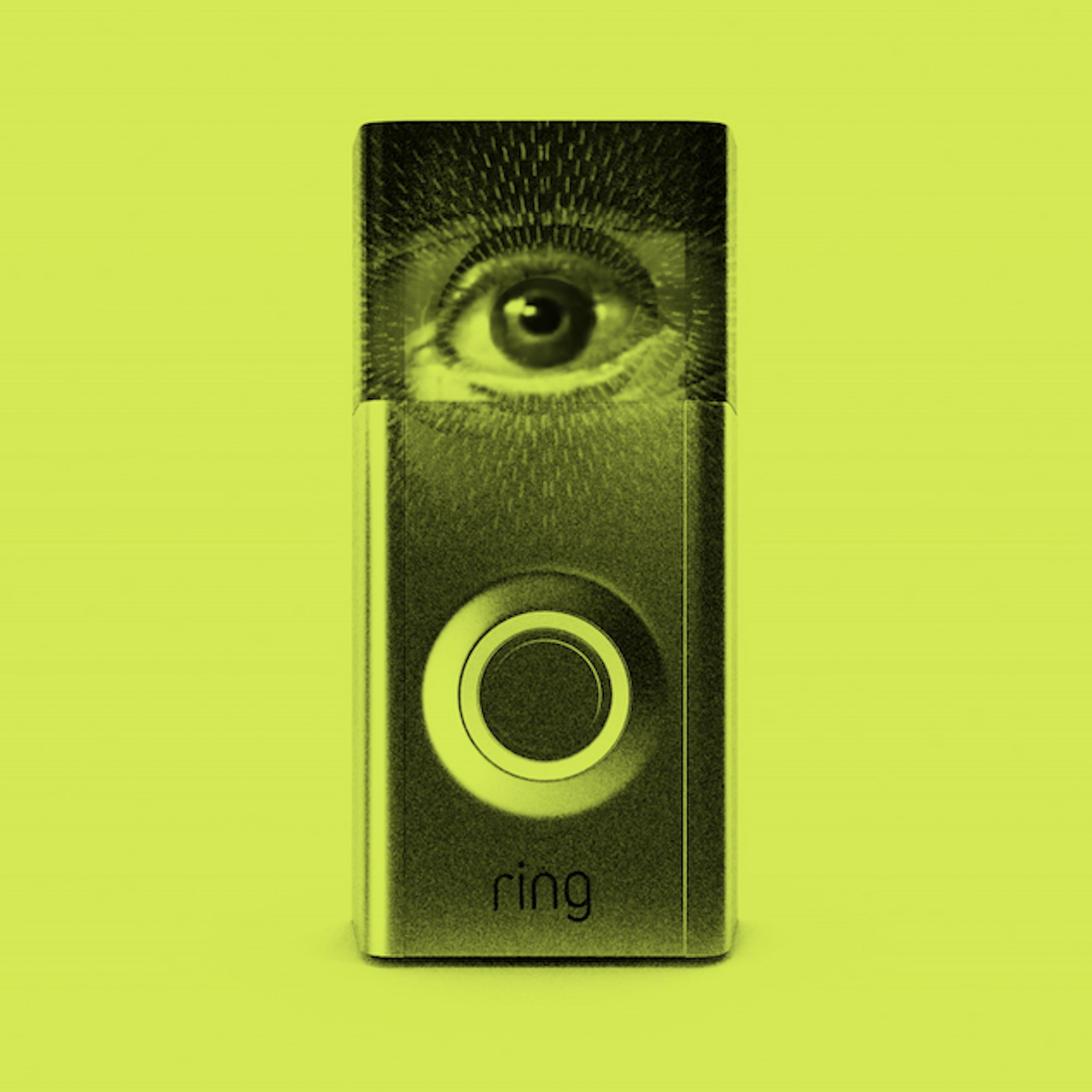
The podcast highlights a core paradox: widespread fear of corporate surveillance systems like Ring coexists with public praise for citizens using identical technology (cell phones) to record law enforcement. This demonstrates that the perceived controller and intent, not the technology itself, dictate public acceptance of surveillance.
As financial assets become increasingly digital and secure, criminals pivot to high-value physical goods. The recent boom in art and artifact heists suggests that as one area of crime becomes harder, criminals shift their focus to softer, tangible targets like museums and historical sites.

Unlike typical serial killers who have a preferred victim and operate in a specific area, Israel Keyes was dangerously unpredictable. He would fly to a random city, drive hundreds of miles to a pre-buried "kill kit," and abduct anyone, making his crimes nearly impossible to link or profile.