Get your free personalized podcast brief
We scan new podcasts and send you the top 5 insights daily.
The facilitator's role is to create "productive serendipity." This means carefully architecting the context—agenda, environment, opening questions—but then stepping back to allow the group's interactions to unfold organically, rather than micromanaging the process.
Related Insights
Instead of open-ended agenda items like "let's do intros," propose specific time frames, such as "Let me give you 90 seconds on me, you can give me 90 seconds on you." This small framing tactic establishes you as a professional who respects time, prevents conversations from meandering, and maintains control of the meeting's flow.

The goal of asking questions isn't just for you to gather information. It's a Socratic dialogue designed to help stakeholders think differently and arrive at the real need themselves. By guiding their thought process, you build deeper alignment and co-create a better solution, rather than just extracting requirements for yourself to fulfill.
Effective facilitation is more than just managing a meeting; it's creating "proactive, productive serendipity." By intentionally connecting the right people, making them feel welcome, and structuring the environment for psychological safety, a facilitator turns random chance into purposeful, high-value interactions.
The most valuable insights from a mastermind rarely come from structured sessions like hot seats. Instead, they emerge from informal interactions: side conversations during breaks at live events, direct messages, and one-on-one follow-ups. Proactively create these connections instead of just collecting takeaways.

A coaching-based leadership style is valuable for engagement but can fail in ambiguity. When a team struggles to find a "red thread" connecting their work, the leader must switch from asking questions to providing a clear, assertive frame and setting direction.
To make workshops memorable, design them around active participation rather than passive listening. Facilitate live exercises, group problem-solving, or hands-on coaching. When attendees 'do' something and walk away with a tangible result, the lesson sticks far longer than a simple presentation.

To get the most out of a short mastermind, implement a clear structure instead of "winging it." A schedule combining social connection (dinners) with focused work sessions (roundtables, "hot seats") ensures that the group's limited time is used for maximum impact and return on investment.

To win over a disengaged or skeptical group in the first 10 minutes, a trainer should cede control. By asking "Why are you here?" and "What would be a success for you?", the trainer shifts ownership to the audience, making the session about their needs, not a pre-set curriculum.

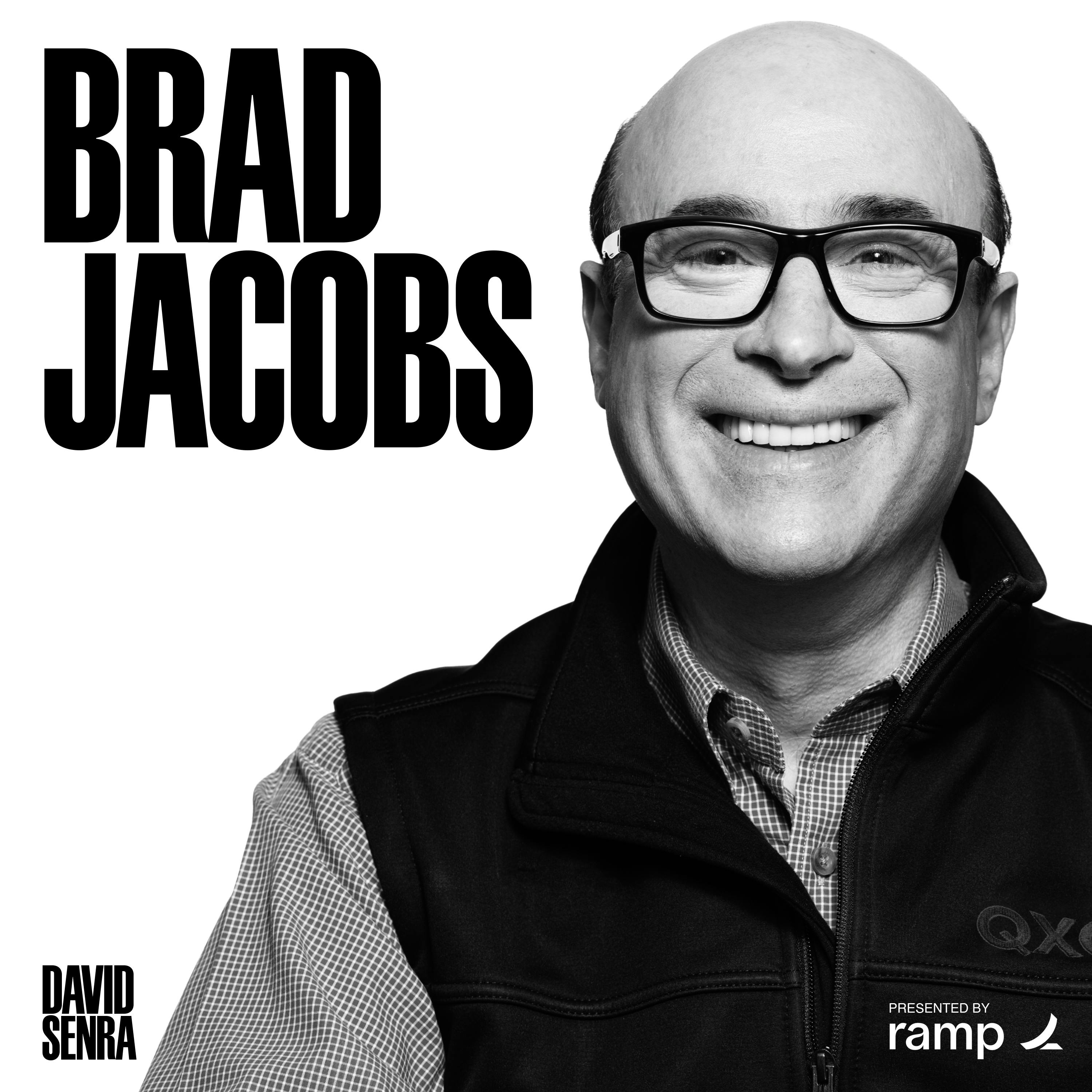
Instead of a top-down agenda, Brad Jacobs has his leadership team collaboratively create it for key meetings. Attendees submit and rank questions based on pre-read materials. Only the highest-rated topics make the final agenda. This bottom-up approach ensures the meeting focuses on what the team collectively deems most critical.
Instead of developing a strategy alone and presenting it as a finished product (the 'cave' method), foster co-creation in a disarming, collaborative environment (the 'campfire'). This makes the resulting document a mechanism for alignment, ensuring stakeholders feel ownership and are motivated to implement the plan.
