Get your free personalized podcast brief
We scan new podcasts and send you the top 5 insights daily.
When an adversary demands all concessions upfront, it signals extreme economic distress. Iran offered a ceasefire deal requiring the U.S. to immediately lift blockades and sanctions in exchange for future talks. Trump's rejection was based on this tell, which showed Iran's urgent need for economic relief.

Related Insights
Despite being the weaker military party, Iran's ability to inflict persistent pain on regional shipping and U.S. allies gives it leverage. To secure a ceasefire, the U.S. may have to offer incentives like sanctions relief, allowing Iran to turn military weakness into diplomatic strength.

The central debate within Iran regarding a deal with the U.S. is not ideological but pragmatic: whether the U.S. can be trusted to deliver on its promises. The current ceasefire serves as a critical test of American credibility, which will determine if negotiations on larger issues are even possible.
Iran's engagement in diplomatic talks is often not a genuine attempt to reach a deal but a strategic maneuver. They use the negotiation process to delay conflict and ease sanctions, banking on a more lenient U.S. administration taking power after an election cycle.
Iran's leadership projects regional strength, fostering national pride that makes compromise seem weak. However, this belligerence is a facade for a devastated domestic economy racked by sanctions, corruption, and war. This creates a fundamental tension: while they act tough, their long-term survival necessitates a diplomatic arrangement with the very enemies they confront.
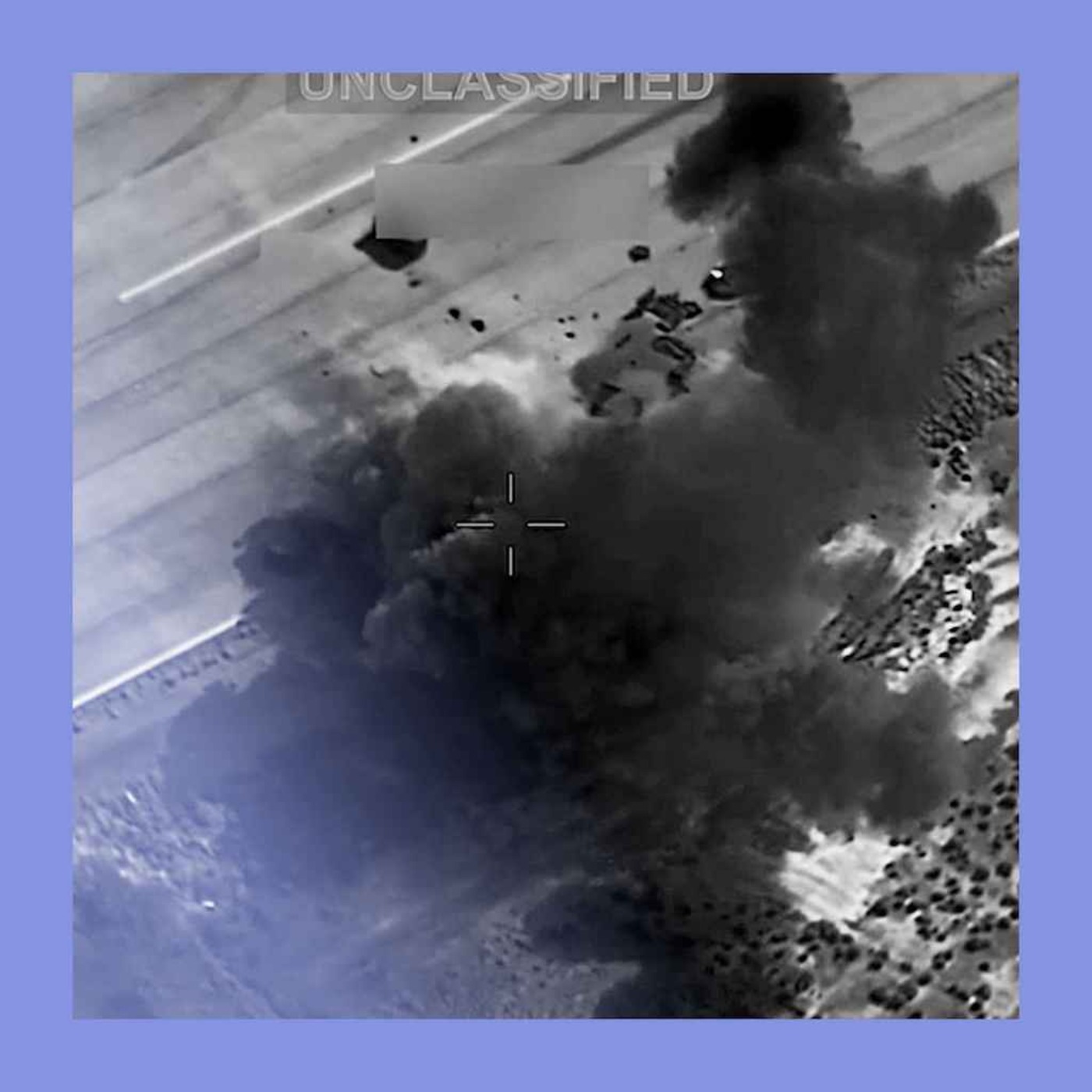
Unable to achieve a decisive military victory, the US and Iran are locked in a "game of uncle." The US aims to inflict maximum damage on Iran's infrastructure, while Iran targets the global economy to create international pressure on the US to cease hostilities.

Contrary to being a sign of irrational aggression, Iran's military actions and proxy attacks are a calculated response. As US economic sanctions prove effective, Iran's only remaining incentive is to escalate militarily in other regions to exert pressure and counter the blockade.

The first actor required to make a concession in a peace agreement is typically the losing side. The US having to remove its blockade first in the Iran deal indicates it was negotiating from a position of weakness, signaling a loss.

The public threats of a military strike against Iran may be a high-stakes negotiating tactic, consistent with Trump's style of creating chaos before seeking a deal. The goal is likely not war, which would be politically damaging, but to force Iran into economic concessions or a new agreement on US terms.
The temporary US-Iran ceasefire is fundamentally fragile because the core demands are mutually exclusive. Iran insists on its right to enrich uranium, while the US demands it swears off enrichment entirely. This core conflict makes a permanent deal highly improbable, regardless of short-term de-escalation.

Iran benefits from dragging out negotiations until the US midterms. The US administration's need for a quick economic and political win puts them in a weaker position, forcing concessions like upfront sanctions relief.