Get your free personalized podcast brief
We scan new podcasts and send you the top 5 insights daily.
A single multi-million dollar lawsuit against Meta is financially trivial. The real threat is the precedent it sets for thousands of similar cases, creating a wave of litigation and public pressure for regulation akin to the legal battles that ultimately hobbled the tobacco industry.

Related Insights
Recent legal victories against tech giants like Meta and Google bypass Section 230 protections. Instead of focusing on harmful content, plaintiffs successfully argue that features like infinite scroll and personalized algorithms are deliberately designed to be addictive, presenting a product liability issue.
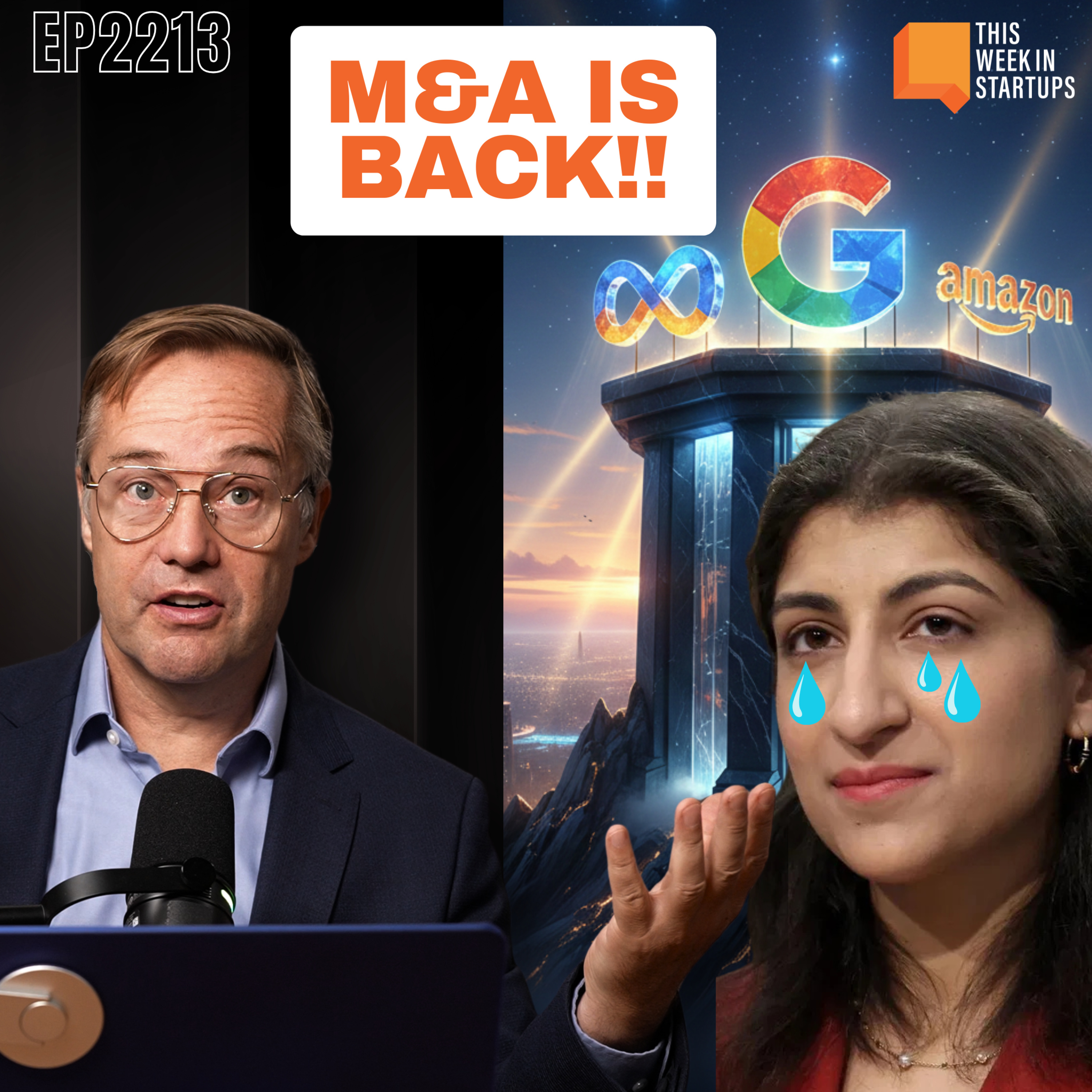
Recent antitrust lawsuits against Meta and Google resulted in minimal consequences ("nothing burgers"), signaling a more permissive regulatory environment. Combined with anticipated economic stimulus, this creates ideal conditions for a wave of large-scale M&A ($25B-$250B) among major tech companies in the coming year.
The current wave of lawsuits against social media companies mirrors the legal challenges faced by Big Tobacco in the 1990s. This precedent suggests the industry will likely consolidate its legal risk by pursuing a single, massive settlement to resolve all claims, rather than fighting thousands of individual cases.

Internal Meta documents show the company knowingly accepts that its scam-related ad revenue will lead to regulatory fines. However, it calculated that the profits from this fraud ($3.5B every six months from high-risk ads alone) 'almost certainly exceeds the cost of any regulatory settlement'.

The legal strategy against social media giants mirrors the 90s tobacco lawsuits. The case isn't about excessive use, but about proving that features like infinite scroll were intentionally designed to addict users, creating a public health issue. This shifts liability from the user to the platform's design.
Kara Swisher observes a historical pattern where it takes about 25 years for society and regulators to catch up to a disruptive technology. She believes we are at that inflection point for the internet and social media, where widespread public frustration finally creates the political will for meaningful regulation.
A landmark verdict against Meta and YouTube reveals a new legal strategy to bypass Section 230 immunity. By suing over the intentional, addictive design of features like infinite scroll and autoplay, plaintiffs can frame the platform itself as a defective product, shifting the legal battle from content moderation to product liability.
Laws like California's SB243, allowing lawsuits for "emotional harm" from chatbots, create an impossible compliance maze for startups. This fragmented regulation, while well-intentioned, benefits incumbents who can afford massive legal teams, thus stifling innovation and competition from smaller players.

The executive order, aimed at creating a single, certain federal AI framework, will achieve the opposite in the short term. By sparking immediate and protracted court battles with states like California and New York, it introduces profound legal uncertainty, undermining its stated pro-innovation goal.
The landmark trial against Meta and YouTube is framed as the start of a 20-30 year societal correction against social media's negative effects. This mirrors historical battles against Big Tobacco and pharmaceutical companies, suggesting a long and costly legal fight for big tech is just beginning.
