Get your free personalized podcast brief
We scan new podcasts and send you the top 5 insights daily.
The founder of Simple Mills pitched so many investors (8 per day) that two potentials randomly met in a Whole Foods aisle while looking at her product. This serendipitous moment led directly to her lead investor signing on, proving that sheer volume in fundraising can generate its own luck.

Related Insights
A successful cold pitch isn't an essay about your brand's story. It should be short enough to maintain interest, compellingly frame the value you offer the recipient (not the other way around), and end with a clear, actionable request like sending samples.
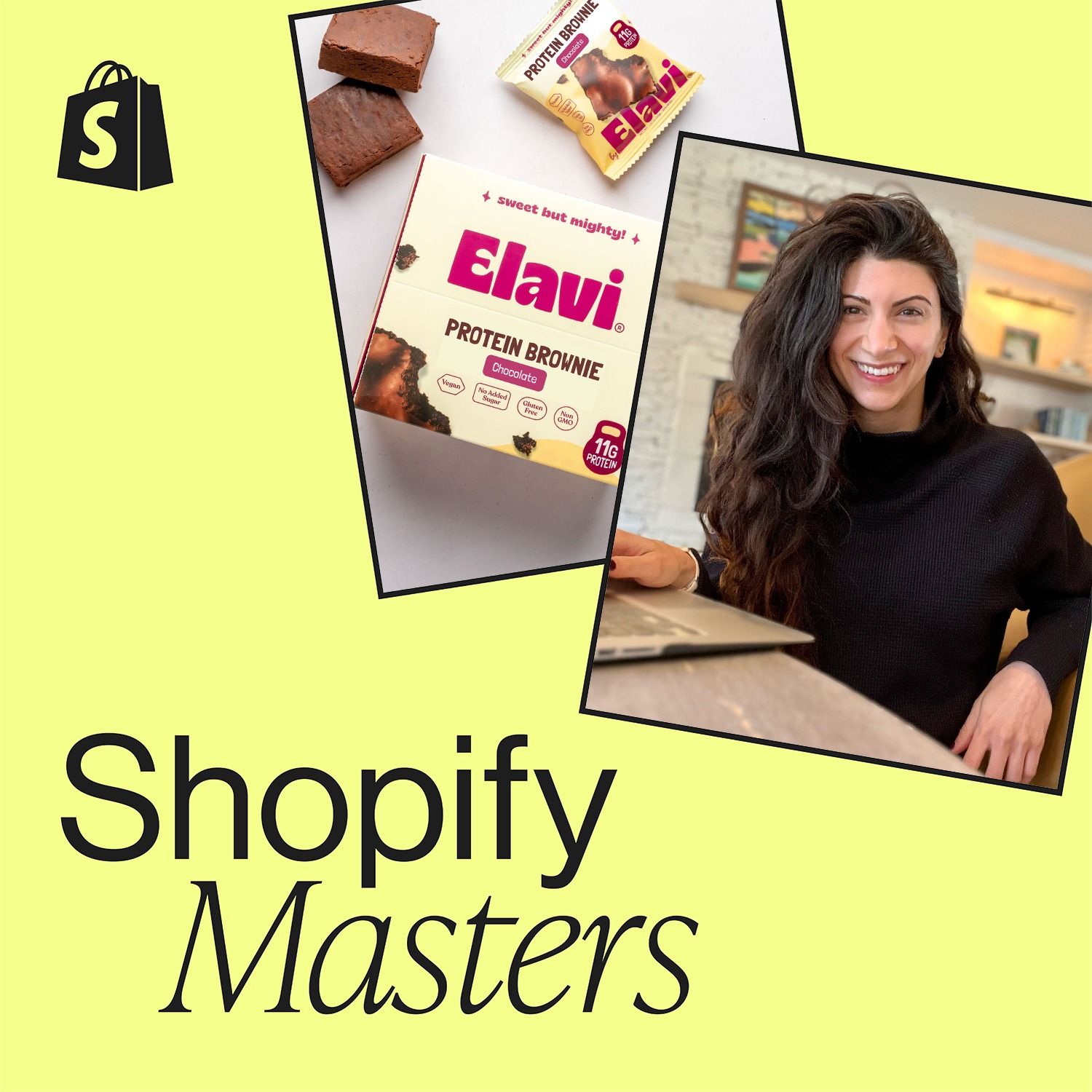
In a venture climate dominated by tech, Simple Mills struggled to attract institutional investors. The founder succeeded by focusing on angel investors, who were more open to a consumer brand and funded her first three rounds, demonstrating their crucial role for non-tech startups.
In a challenging fundraising climate, formal processes are insufficient. SpliceBio's CEO secured their lead Series B investor by starting informal conversations a full year before the official round. This long-term relationship-building establishes trust and allows investors to track execution over time, which is critical when capital is tight.

Caitlin Smith wasn't ready with recipes or packaging, but when a Whole Foods buyer offered a meeting, she took it. This forced her to accelerate her process and land a crucial first customer, demonstrating the power of seizing opportunities before feeling 100% prepared.
The founder of Source sent Drew Houston $1,000 on Venmo with a pitch in the description to get noticed. Houston, who had previously sent the founder $200 for a domain name after a brief meeting, responded by Venmoing back a $200,000 angel investment. This highlights the power of creative, direct outreach to high-profile investors.

Merge's founder views the seed round not just as a capital raise but as a test of street smarts and sales skills. How a founder manages intros, creates FOMO, and navigates the "dating game" with VCs is a direct indicator of their future success in acquiring actual customers.

The YC fundraising process for top companies is a blitz. The best investors don't wait for scheduled meetings; they proactively ask to move them up, creating a frenzy where rounds can fully close in 36-48 hours. Juxta's founder took 16 meetings and received 16 investment offers, closing the round before most meetings occurred.
Prepared's founder rejected running a formal fundraising process. Instead, he had infrequent 'coffee chats' with investors to share progress. This built relationships and momentum, leading to preemptive term sheets and much faster closes without the distraction of a full-time fundraise.

After an accidental media feature generated a massive sales spike, Mae Pack transformed that luck into a core strategy. She stopped waiting for features to happen and started proactively pitching her products to blogs and magazines, creating a repeatable engine that doubled her income annually.
Founders often attribute early sales success to luck, making the process feel erratic and unscalable. Reframe this: if 100 cold calls yield one client, that's a predictable process, not a fluke. The feeling of volatility is a direct result of not doing enough outreach to smooth out the conversion rate into a reliable metric.
