Get your free personalized podcast brief
We scan new podcasts and send you the top 5 insights daily.
Even a design leader like Figma is struggling with AI, releasing a subpar product. This highlights a critical failure point for incumbents: their traditional, planned-out quarterly release cycles are no match for the rapid, continuous deployment model of AI-native startups. A "best effort" approach to shipping AI is now a recipe for failure.

Related Insights
Product-market fit is no longer a stable milestone but a moving target that must be re-validated quarterly. Rapid advances in underlying AI models and swift changes in user expectations mean companies are on a constant treadmill to reinvent their value proposition or risk becoming obsolete.

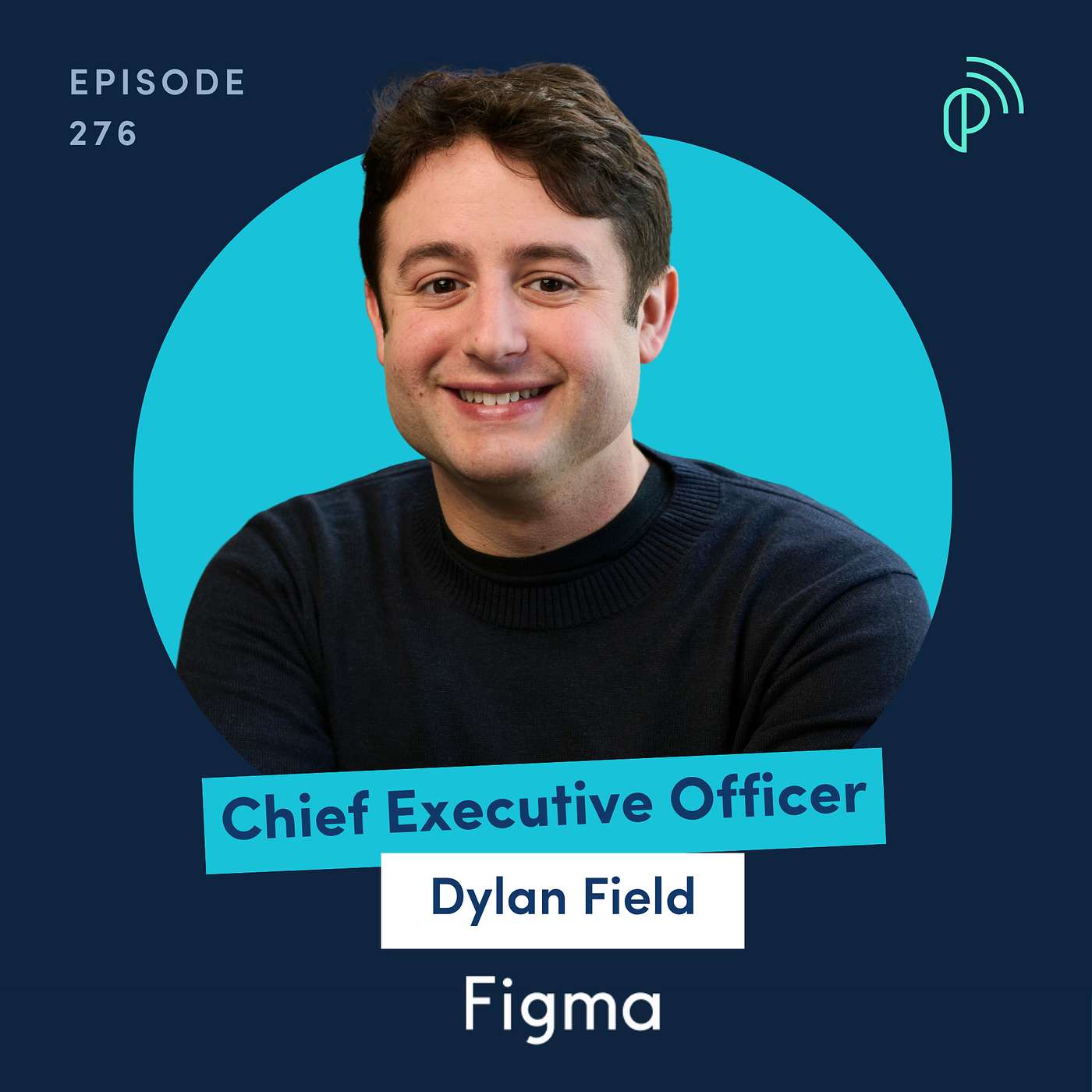
Figma CEO Dylan Field argues that while AI can quickly generate "good enough" results, this baseline is no longer sufficient. As AI floods the market with generic software and designs, true differentiation will come from human-led craft, taste, and pushing beyond the initial AI output.
Unlike mature tech products with annual releases, the AI model landscape is in a constant state of flux. Companies are incentivized to launch new versions immediately to claim the top spot on performance benchmarks, leading to a frenetic and unpredictable release schedule rather than a stable cadence.

As AI accelerates software development, basic functionality becomes table stakes. Figma's CEO contends that differentiation and winning now depend entirely on design, craft, and a strong point of view, as 'good enough' products will no longer succeed.
SaaS playbooks for sales, marketing, and success were designed for annual product changes. AI-native products iterating every 30 days require a complete organizational rethink, as old go-to-market motions cannot keep pace with the product's rapid evolution.

Despite being a design powerhouse, Figma failed to capitalize on the AI-driven shift in product prototyping. This allowed newer players like Replit and Lovable to capture a massive market segment that Figma should have owned, highlighting the disruption risk for all incumbents.

AI co-pilots have accelerated engineering velocity to the point where traditional design-led workflows are now the slowest part of product development. In response, some agile teams are flipping the process, having engineers build a functional prototype first and then creating formal Figma designs and UI polish later.

In AI-native companies that ship daily, traditional marketing processes requiring weeks of lead time for releases are obsolete. Marketing teams can no longer be a gatekeeper saying "we're not ready." They must reinvent their workflows to support, not hinder, the relentless pace of development, or risk slowing the entire company down.

Apple struggles with AI due to a cultural mismatch. Apple excels at deterministic, well-scripted product experiences developed on long, waterfall-style cycles. This is the antithesis of modern AI development, which requires rapid, daily iteration and a comfort with the uncontrolled, 'Wild West' nature of the technology.

In a sector ripe for AI disruption, Figma is thriving by not just adding features, but expanding its scope from design to a full design-to-code workflow. This, combined with strong leadership and aggressive AI integration, provides a model for how incumbents can successfully defend their position.