Get your free personalized podcast brief
We scan new podcasts and send you the top 5 insights daily.
Despite being a design powerhouse, Figma failed to capitalize on the AI-driven shift in product prototyping. This allowed newer players like Replit and Lovable to capture a massive market segment that Figma should have owned, highlighting the disruption risk for all incumbents.
Related Insights
Unlike traditional SaaS where product-market fit meant a decade of stability, the rapid evolution of AI models makes today's PMF fleeting. Founders face the risk that their product could feel obsolete within a year, requiring constant innovation just to stay relevant in a rapidly changing market.
A key reason Figma won was its cloud-based, real-time collaboration. The trend of using local AI dev tools (like Cursor) is a step backward in this regard, reintroducing friction around sharing work and getting feedback, the very problems that led designers away from local files in the first place.

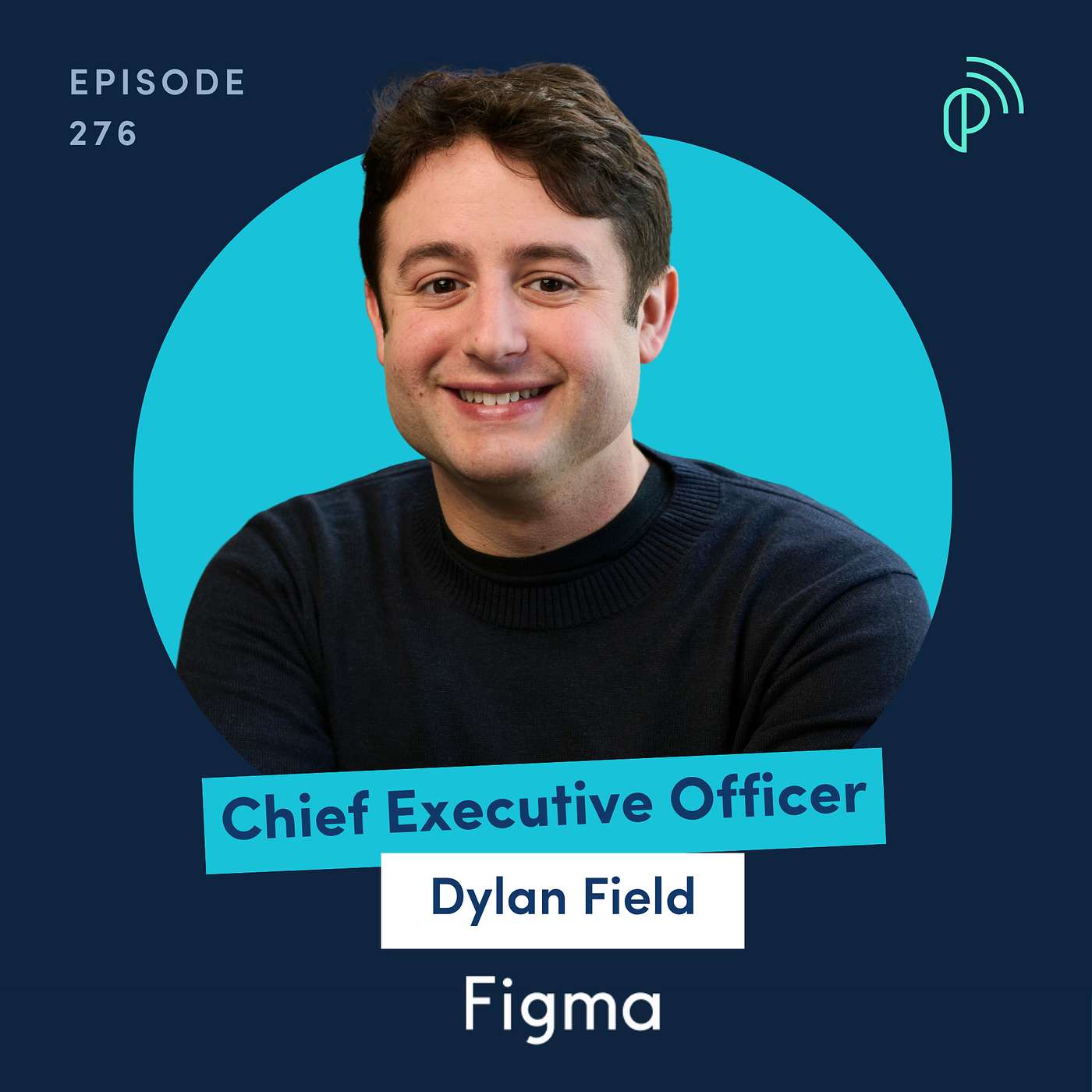
Figma CEO Dylan Field argues that while AI can quickly generate "good enough" results, this baseline is no longer sufficient. As AI floods the market with generic software and designs, true differentiation will come from human-led craft, taste, and pushing beyond the initial AI output.
AI-powered "vibe coding" is reversing the design workflow. Instead of starting in Figma, designers now build functional prototypes directly with code-generating tools. Figma has shifted from being the first step (exploration) to the last step (fine-tuning the final 20% of pixel-perfect details).

Initial data suggested the market for design tools was too small to build a large business. Figma's founders bet on the trend that design was becoming a key business differentiator, which would force the market to expand. They focused on building for the trend, not the existing TAM.

As AI accelerates software development, basic functionality becomes table stakes. Figma's CEO contends that differentiation and winning now depend entirely on design, craft, and a strong point of view, as 'good enough' products will no longer succeed.
AI co-pilots have accelerated engineering velocity to the point where traditional design-led workflows are now the slowest part of product development. In response, some agile teams are flipping the process, having engineers build a functional prototype first and then creating formal Figma designs and UI polish later.

Historically, resource-intensive prototyping (requiring designers and tools like Figma) was reserved for major features. AI tools reduce prototype creation time to minutes, allowing PMs to de-risk even minor features with user testing and solution discovery, improving the entire product's success rate.

Figma's CEO believes AI will create the "10X designer." As AI automates basic design tasks, making "good enough" the new baseline, the premium on true craft and system-level thinking will skyrocket. Designers who can leverage AI to execute a holistic product vision will become indispensable leaders and key drivers of a company's success.

Despite massive spending and partnerships, Microsoft, Amazon, Apple, and Meta have failed to launch a defining, consumer-facing AI product. This surprising lack of execution challenges the assumption that incumbents would easily dominate the AI space, leaving the door open for native AI startups.
