Get your free personalized podcast brief
We scan new podcasts and send you the top 5 insights daily.
In a sector ripe for AI disruption, Figma is thriving by not just adding features, but expanding its scope from design to a full design-to-code workflow. This, combined with strong leadership and aggressive AI integration, provides a model for how incumbents can successfully defend their position.

Related Insights
A key data point validating Figma's long-term strategy is that 60% of files created in its AI web builder, Figma Make, are by non-designers. This demonstrates that AI is accelerating the trend of democratizing design and expanding the total addressable market far beyond traditional product designers.

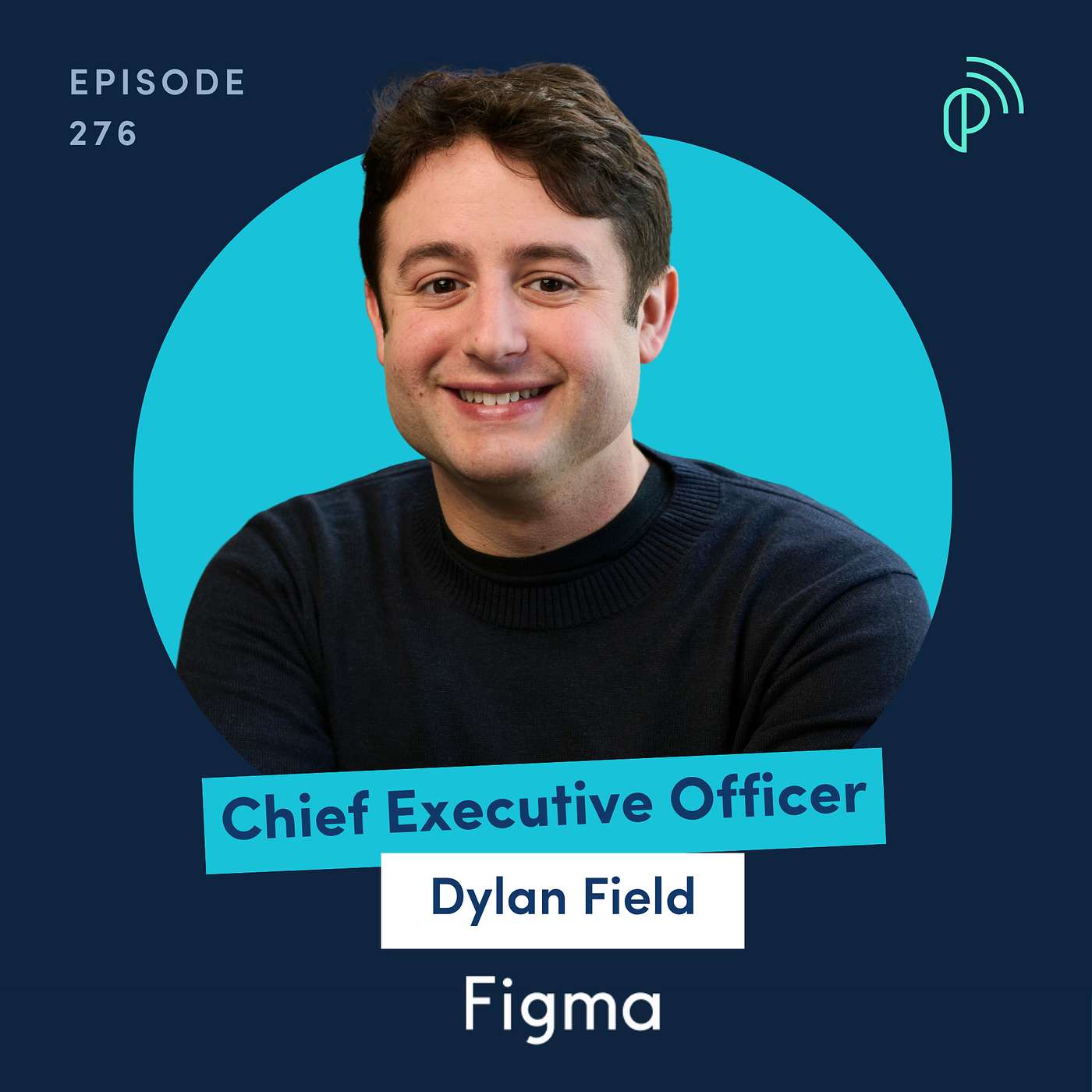
Figma CEO Dylan Field argues that while AI can quickly generate "good enough" results, this baseline is no longer sufficient. As AI floods the market with generic software and designs, true differentiation will come from human-led craft, taste, and pushing beyond the initial AI output.
AI-powered "vibe coding" is reversing the design workflow. Instead of starting in Figma, designers now build functional prototypes directly with code-generating tools. Figma has shifted from being the first step (exploration) to the last step (fine-tuning the final 20% of pixel-perfect details).

Unlike the slow denial of SaaS by client-server companies, today's SaaS leaders (e.g., HubSpot, Notion) are rapidly integrating AI. They have an advantage due to vast proprietary data and existing distribution channels, making it harder for new AI-native startups to displace them. The old playbook of a slow incumbent may no longer apply.

Initial data suggested the market for design tools was too small to build a large business. Figma's founders bet on the trend that design was becoming a key business differentiator, which would force the market to expand. They focused on building for the trend, not the existing TAM.

As AI accelerates software development, basic functionality becomes table stakes. Figma's CEO contends that differentiation and winning now depend entirely on design, craft, and a strong point of view, as 'good enough' products will no longer succeed.
Counter to fears that foundation models will obsolete all apps, AI startups can build defensible businesses by embedding AI into unique workflows, owning the customer relationship, and creating network effects. This mirrors how top App Store apps succeeded despite Apple's platform dominance.

Over 60% of files created in Figma's AI-powered tool, Figma Make, are by non-designers. This demonstrates the original Figma thesis that expanding the user base beyond professional designers is a massive opportunity, proving that intuitive, visual-first tools can successfully democratize creation and web development.

The threat to established SaaS companies is not just technological but also psychological. Simply adding AI features to an existing product like Photoshop may not be enough if AI creates entirely new workflows. Survival depends on 'human agency'—bold leadership willing to cannibalize existing products and fundamentally reimagine their business for an AI-centric world.

Figma's CEO believes AI will create the "10X designer." As AI automates basic design tasks, making "good enough" the new baseline, the premium on true craft and system-level thinking will skyrocket. Designers who can leverage AI to execute a holistic product vision will become indispensable leaders and key drivers of a company's success.
