Get your free personalized podcast brief
We scan new podcasts and send you the top 5 insights daily.
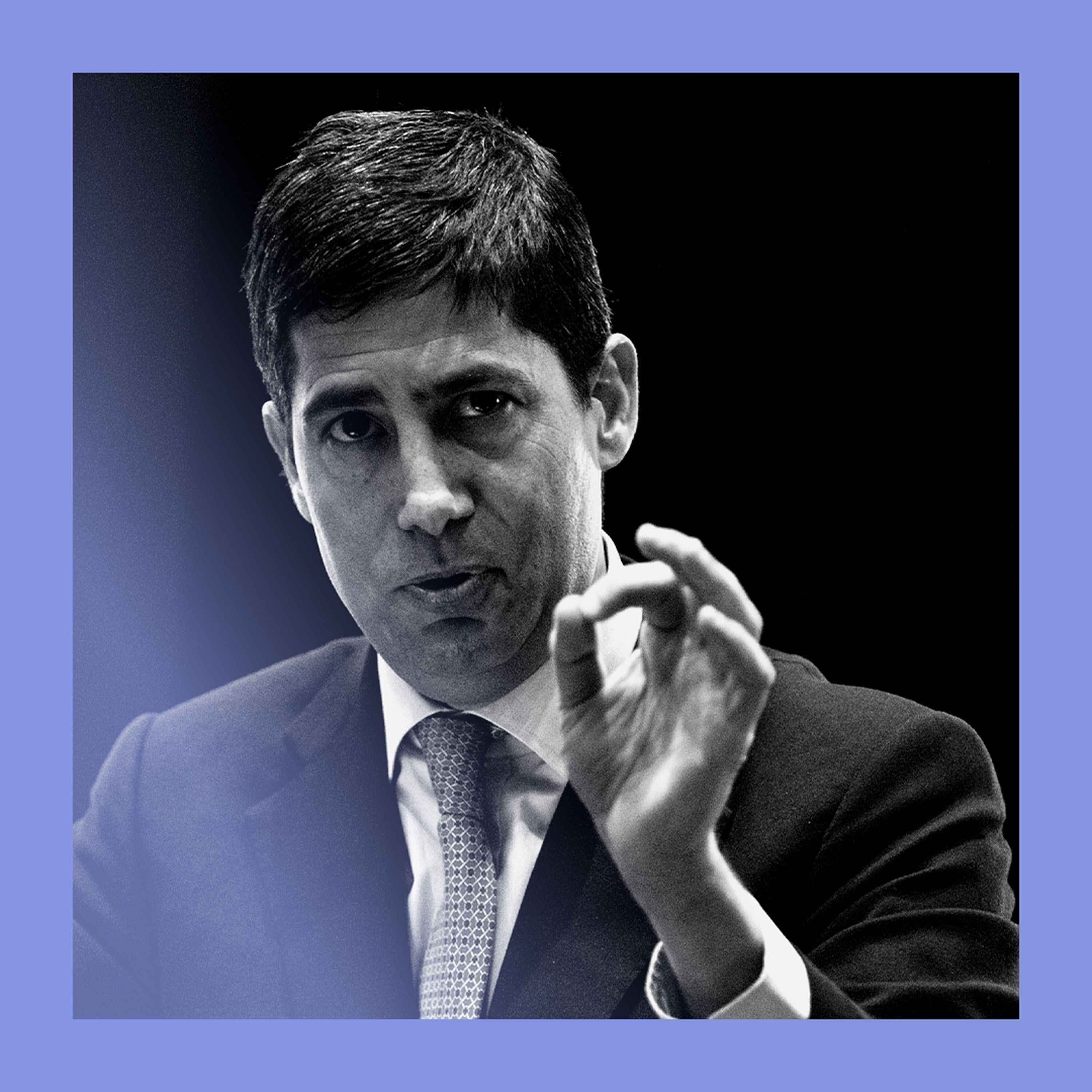
By creating five task forces to study Fed reforms, new Chair Kevin Warsh can delay controversial decisions. This strategy buys time and provides a convenient deflection ("we have a task force for that") when facing politically charged questions, particularly from a pressuring President.

Related Insights
The appointment of Kevin Warsh as Fed Chair shifts the focus from purely economic decisions to a fundamental governance question: will the central bank remain independent or take political orders from the president? This represents a potential paradigm shift in the separation of powers.

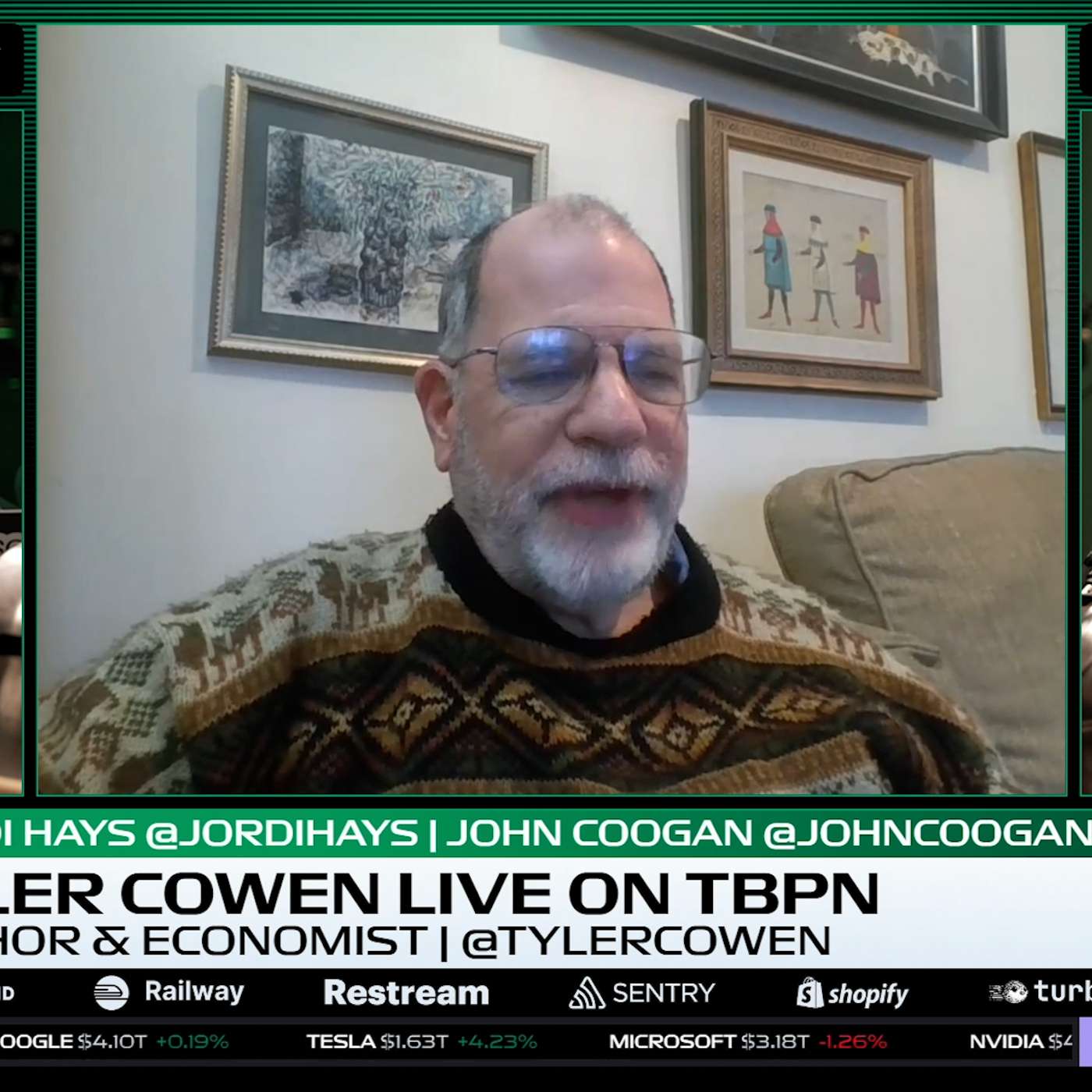
Tyler Cowen argues that Kevin Warsh is a political operator whose past economic stances are less predictive of his future actions than his desire to navigate the political landscape, particularly his relationship with Trump. Warsh's personal wealth from the Lauder family gives him the freedom to act independently if necessary, making his political calculus the key variable.
Administrations frequently appoint figures known for a specific ideology to implement the exact opposite policy. This pattern suggests institutional pressures override personal beliefs. For example, Fed chair candidate Kevin Warsh, despite his hawkish reputation, will likely cut rates to align with administration goals.
To secure a nomination from a president like Donald Trump, candidates like Kevin Warsh must publicly adopt positions, such as rate cuts, that contradict their hawkish history. This "audition process" creates fundamental uncertainty about their true policy direction once appointed.
In large organizations like the Federal Reserve, task forces are not for discovery but for building a documented, consensus-driven case for decisions the leadership has already made. This creates a paper trail and deflects political criticism for significant policy shifts, lending an air of objective expertise to a chosen path.

Federal Reserve decisions require a majority vote. A new chair's challenge is not just economic but personal. Kevin Walsh's previous criticism of the Fed could make it difficult to build consensus with colleagues who implemented those very policies, potentially hindering his agenda regardless of its economic merits.

While presidents focus on interest rates, a Fed Chair like Kevin Warsh has limited sway as one of 12 votes. His real impact will be on technical areas like the Fed's balance sheet, where he has stronger personal convictions and faces less political scrutiny.
Kevin Warsh's confirmation hearings suggest a potential regime change at the Fed. He has indicated possible shifts in how inflation is measured (using trimmed mean), the size of the balance sheet, and a reduction in market communication like forward guidance.

Despite a change in leadership, the Federal Reserve's interest rate policy is unlikely to shift materially in the near term. The new chair, Kevin Warsh, must build consensus among 16 other committee members whose views are established. The Fed's reaction function is driven by collective data analysis, not the sole will of the chair.

The Federal Reserve under Kevin Warsh is expected to pivot from its independent, inflation-targeting mandate. It will likely become an integral part of US economic statecraft, aligning its policies with national security and strategic industrial goals, a significant change from past regimes.
