Get your free personalized podcast brief
We scan new podcasts and send you the top 5 insights daily.
Federal Reserve decisions require a majority vote. A new chair's challenge is not just economic but personal. Kevin Walsh's previous criticism of the Fed could make it difficult to build consensus with colleagues who implemented those very policies, potentially hindering his agenda regardless of its economic merits.

Related Insights
The appointment of Kevin Warsh as Fed Chair shifts the focus from purely economic decisions to a fundamental governance question: will the central bank remain independent or take political orders from the president? This represents a potential paradigm shift in the separation of powers.

Tyler Cowen argues that Kevin Warsh is a political operator whose past economic stances are less predictive of his future actions than his desire to navigate the political landscape, particularly his relationship with Trump. Warsh's personal wealth from the Lauder family gives him the freedom to act independently if necessary, making his political calculus the key variable.
Critics allege Kevin Warsh exhibits a pattern of partisanship, worrying about inflation and fiscal excess under Democratic presidents but pivoting to pro-growth, lower-rate stances under Republicans. This behavior raises serious questions about his political independence and commitment to the Fed's dual mandate, regardless of the administration in power.

The Fed Chair is just one vote on the FOMC and cannot unilaterally dictate policy. To be effective, they must persuade other governors and regional presidents. A nominee like Kevin Warsh, perceived as partisan and not data-driven, may struggle to build the necessary consensus to implement his agenda, rendering him less powerful than expected.
Despite their public prominence, the Fed Chair only has one of twelve votes on the FOMC. Their influence stems from persuading committee members. Chairs avoid being outvoted by understanding the committee's consensus and sometimes aligning with it rather than forcing a losing vote.
To secure a nomination from a president like Donald Trump, candidates like Kevin Warsh must publicly adopt positions, such as rate cuts, that contradict their hawkish history. This "audition process" creates fundamental uncertainty about their true policy direction once appointed.
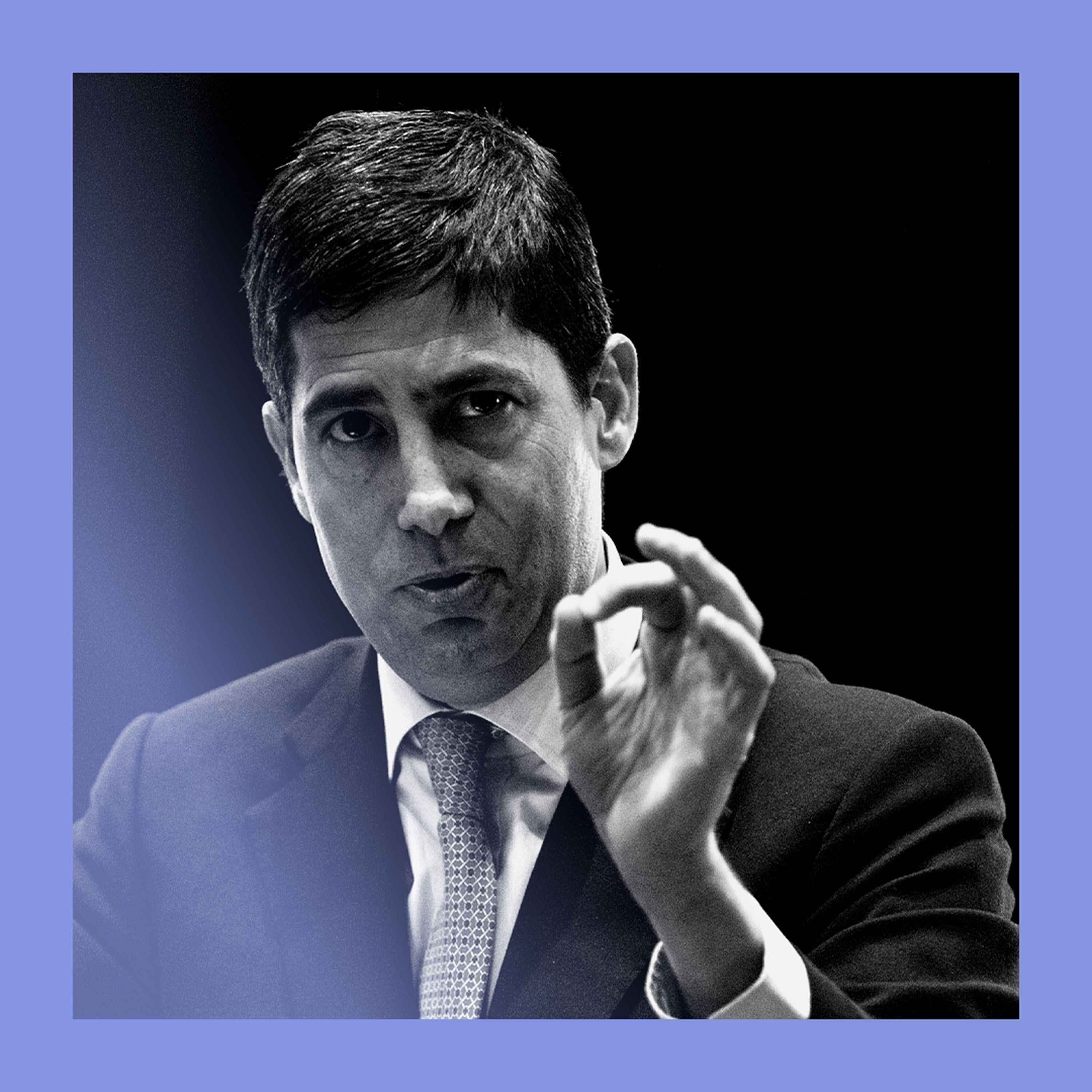
Even if new Fed Chair Kevin Warsh wants to cut rates to appease President Trump, he may not be able to. The Fed is acting more independently, with frequent dissents among members. He would need to secure seven votes for a rate cut, a difficult task given the current hawkish sentiment among voters.

Despite a change in leadership, the Federal Reserve's interest rate policy is unlikely to shift materially in the near term. The new chair, Kevin Warsh, must build consensus among 16 other committee members whose views are established. The Fed's reaction function is driven by collective data analysis, not the sole will of the chair.

The Fed Chair leads policy but cannot dictate it. They must build consensus within the Federal Open Market Committee (FOMC), where dissents are not uncommon. History shows chairs like Volcker and Bernanke faced significant internal resistance and had to aggressively persuade members to follow their lead.
A new Fed Chair cannot unilaterally shift monetary policy by large margins (e.g., 1-2 percentage points). Policy is made by the Federal Open Market Committee (FOMC), where the chair must build consensus. History shows that dissents are not uncommon, limiting a chair's ability to enact radical changes.