Get your free personalized podcast brief
We scan new podcasts and send you the top 5 insights daily.
When an undeniably capable combat leader like Chris Donahue is removed for political reasons, it signals to all officers that competence is no longer the ultimate criteria for advancement. This erodes trust and discourages initiative down the chain of command.

Related Insights
Organizations create incompetent managers by promoting top individual contributors based on past success alone. This is the root of the Peter Principle. To avoid it, promotions must be based on a clear assessment of the candidate's capability for the new role's specific requirements.

A reform-minded leader can create ad-hoc teams and force collaboration between operators and technologists. However, these changes are often temporary. Once the leader departs, the military's established cultural norms and organizational structures, like powerful four-star commands, tend to reassert themselves, erasing the progress.
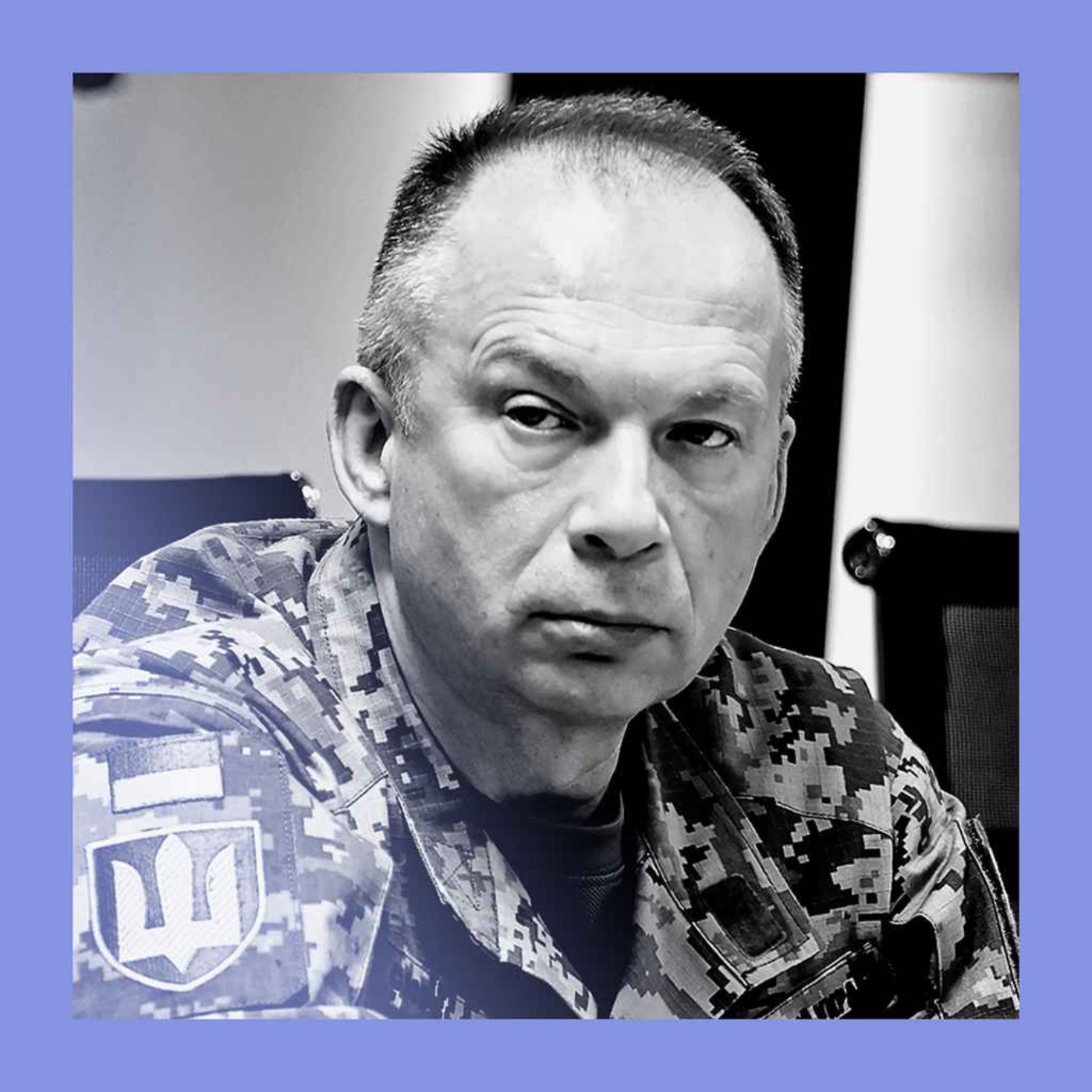
The dismissal of Ukraine's top general, Alexander Sersky, stemmed from a deep "culture clash" between his Soviet-style, high-casualty tactics and the tech-driven, reformist approach of the now-fired Defense Minister, Mihalo Fedorov. This internal conflict reveals a crucial struggle over the military's very ethos, separate from external wartime pressures.
In the Army infantry, the Ranger Tab is more than a badge; it's a mandatory rite of passage for leadership credibility. Its absence on an officer's uniform, especially in a senior role, can create immediate and significant friction, as it's seen as a failure to meet a fundamental professional standard.
Political figures often focus on superficial issues like beards and physical fitness, which directly conflicts with the professional military's culture. The armed services value deep competence, humility, and character—qualities essential for managing lethal force and complex global operations, regardless of appearance.

Secretary of Defense Pete Hegseth is deliberately reshaping the military's officer corps to fit his partisan image. This involves removing qualified officers from promotion lists based on their race and gender, treating their very existence as a partisan act.
Promotion was based almost entirely on time in service, not merit. This led to absurd situations where a proven general like George Meade was technically junior to the less competent Ambrose Burnside because of their commission dates, forcing convoluted command arrangements during critical campaigns.
Army Secretary Dan Driscoll's resignation wasn't a quiet exit but a direct confrontation. He explicitly told President Trump that politically motivated firings by the Defense Secretary were degrading military readiness, using his departure as a last-resort alarm bell to bypass broken communication channels.

Driscoll's departure is a symptom of a larger problem: constant meddling from the Office of the Secretary of Defense, capricious firings of respected generals, and a force breaking under a 25-year op tempo. His resignation signifies a deep-seated crisis in Army leadership and morale.
The theory that senior military officers have a duty to speak out against disastrous policies ('McMasterism') fails in practice. The military's promotion system rewards conformity over decades, ensuring that those who reach the top are culturally incapable of publicly challenging their superiors. You don't become a general by telling the principal they are wrong.