Get your free personalized podcast brief
We scan new podcasts and send you the top 5 insights daily.
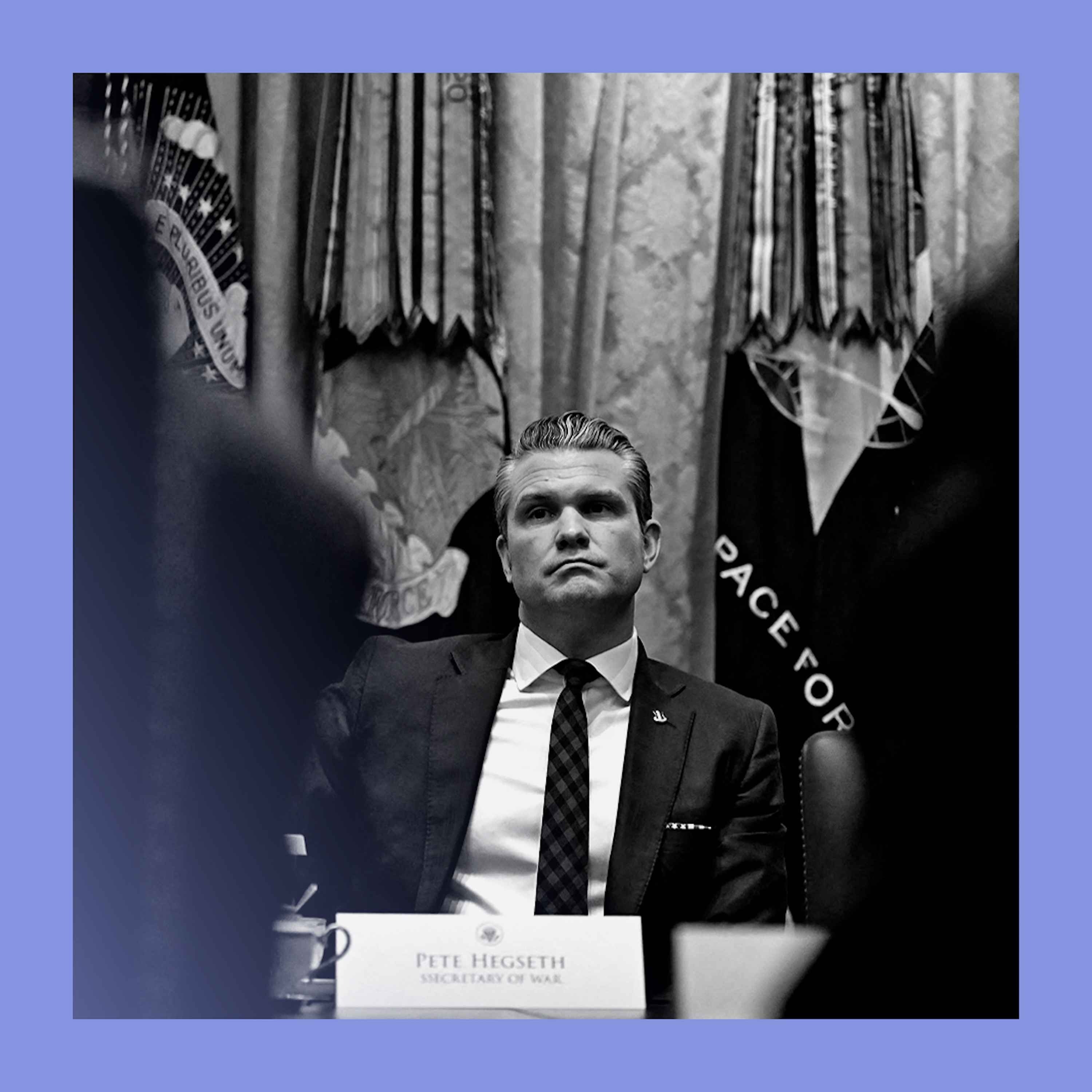
Army Secretary Dan Driscoll's resignation wasn't a quiet exit but a direct confrontation. He explicitly told President Trump that politically motivated firings by the Defense Secretary were degrading military readiness, using his departure as a last-resort alarm bell to bypass broken communication channels.

Related Insights
Professionals often fear termination for challenging a flawed strategy. However, remaining silent and participating in a plan that fails is more damaging to one's reputation. Speaking up either corrects the course or provides a clean exit from a failing situation, preserving professional integrity.

The White House and Pentagon are deliberately shifting blame for a controversial military strike onto a subordinate admiral. This tactic insulates political leaders like the Secretary of Defense, whose rocky tenure and past blunders created the context for such controversial actions, from accountability.
Scott Galloway argues Leslie Stahl missed a 'perfect exit.' By resigning over the changes at '60 Minutes,' she could have cemented her legacy as a journalistic icon. Instead, staying under a cloud of controversy risks tarnishing her reputation, showing the power of a well-timed exit.

Secretary Hegseth and Deputy Feinberg orchestrated the firing of Navy Secretary Phelan via a savvy bureaucratic maneuver. Instead of citing their actual policy disagreements, they told President Trump that Phelan wasn't moving fast enough on his favored "battleship" idea—a project they themselves opposed—using the president's own priorities to eliminate a rival.

A strategic reason for a leader to resign is to de-escalate public tension. After a crisis, the leader can become a symbol of that difficult period. By stepping down, they absorb the negative sentiment, lower the political temperature, and allow their organization to move forward.

Unlike in other administrations where shakeups signal instability, for Trump, firing officials aligns perfectly with his core brand as the "Apprentice" boss who gets rid of incompetence. This is a unique political asset that his voters expect and appreciate.
Former Defense Secretary Lloyd Austin's tenure was hobbled by his lack of a DC network, preventing him from bringing in a trusted team. Arriving as 'just a guy with a briefcase,' his professional isolation led to weak leadership and a power vacuum now being filled by a more aggressive administration.
Unlike the ousted Navy Secretary Phelan, an outsider with few allies, Army Secretary Will Driscoll has secured his position by building a strong constituency. His alliance with the Vice President and support from his service and Capitol Hill make him politically protected and difficult to fire without creating a major party schism.
The theory that senior military officers have a duty to speak out against disastrous policies ('McMasterism') fails in practice. The military's promotion system rewards conformity over decades, ensuring that those who reach the top are culturally incapable of publicly challenging their superiors. You don't become a general by telling the principal they are wrong.
Trump allows officials he plans to fire, like Kristi Noem, to face public scrutiny and humiliation in hearings before their dismissal. This tactic serves his political purposes, demonstrating a lack of loyalty and respect for his team, using them as an "anger pillow."