Get your free personalized podcast brief
We scan new podcasts and send you the top 5 insights daily.
To differentiate their commodity sugar product, Mothership created a brand persona: 'Micro Munch,' the first sugar designed for microbes, not people. They even made a commercial. This resonated with customers who see their microbes as 'their children,' leading to demand that exceeded their first year's production capacity by 2x within 48 hours.

Related Insights
Factory's decision to name their agents "droids" taps directly into developer culture. Unlike generic human names, this branding is distinctive and memorable. It creates a fun, authentic connection, prompting customers to organically share Star Wars memes, effectively doing marketing for the company.

Unilever uses its SASSY framework (Science, Aesthetics, Sensorials, Said-by-others, Young-spirited) to create desirability. This model systematically elevates brands from functional "needs" to emotional "I have to have that" wants, applicable even to everyday products.

The founder of Billy Bob's Teeth, a gag gift, reframed his product as a "permission slip for people to be silly." This strategy gives a trivial product a deeper, more compelling purpose by connecting it to a fundamental human desire. This elevates the brand and makes the product more than just a novelty item.

Instead of just positioning a solution, define and name a problem your audience didn't know they had. This creates a powerful need for what you offer, as seen with concepts like Seth Godin's 'The Dip' or Febreze's 'Nose Blindness.'

The "Got Milk?" campaign illustrates how to build a powerful brand for an undifferentiated commodity. By focusing on the emotional, everyday experiences associated with the product, it created cultural relevance and affective importance, effectively raising the profile of the entire milk category rather than a single company.
A low-priority ADHD brand became a top performer not through a bigger budget, but by adopting a patient-centric narrative: helping kids become "10 out of 10." This story resonated with parents and doctors, proving that innovative marketing can be narrative, not just technological.

To cut through the 'white noise' of feature-focused B2B marketing, Monday.com centers its strategy on an emotional differentiator: creating a product that people genuinely love to use. This insight, derived from customer testimonials, allows for a more resonant and memorable brand narrative that challenges industry norms.

Move beyond listing features and benefits. The most powerful brands connect with customers by selling the emotional result of using the product. For example, Swishables sells 'confidence' for a meeting after coffee, not just 'liquid mouthwash.' This emotional connection is the ultimate brand moat.

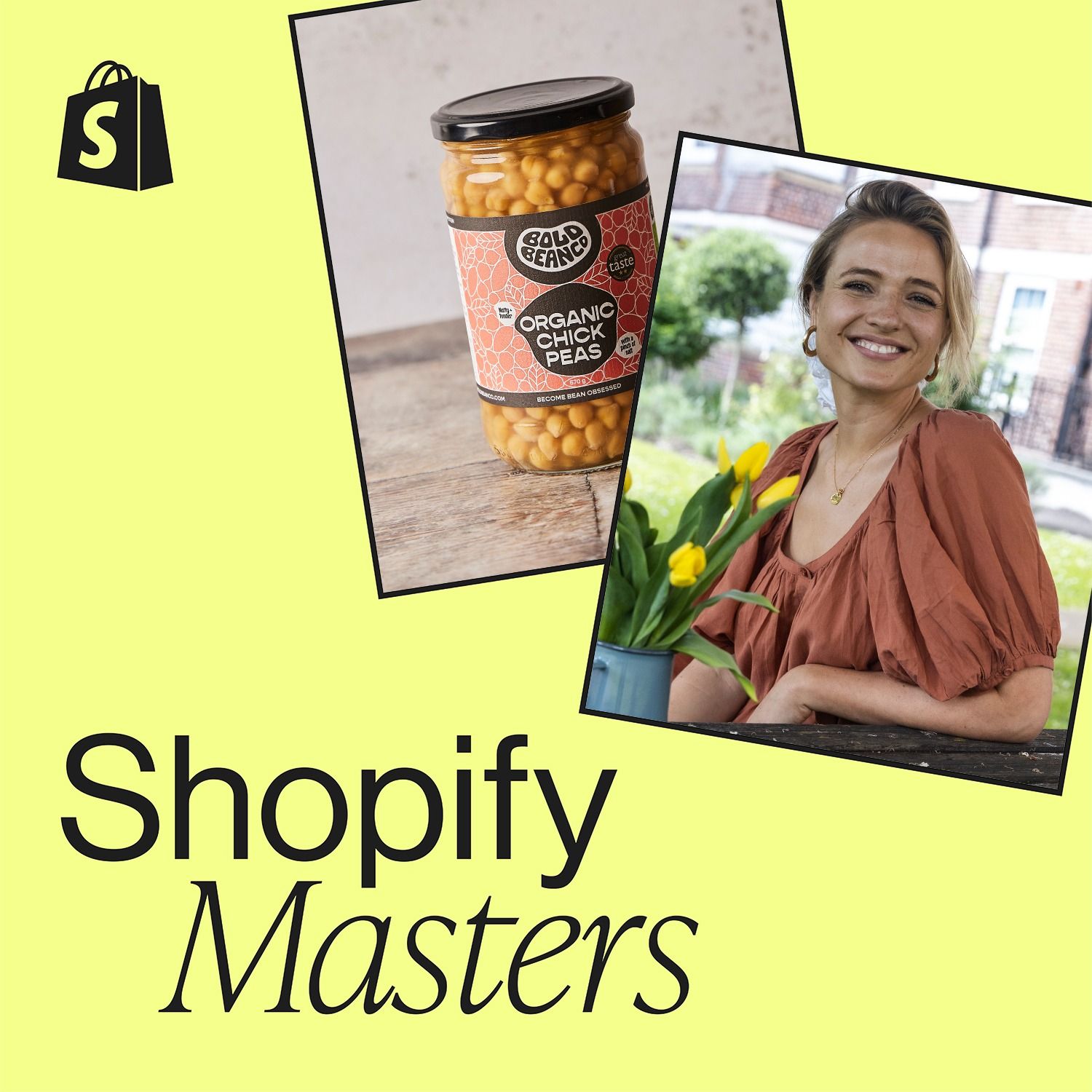
Bold Bean Co. found that creating a premium product in a "forgotten, dull" category like beans was a strategic advantage. The novelty makes consumers talk. People find it entertaining to become obsessed with beans, generating more word-of-mouth than launching yet another premium chocolate brand.
LoveSack operated successfully for years based on product instinct alone. However, transformational growth occurred only after the company intentionally defined its core brand philosophy—'Designed for Life'—and then amplified that clear message with advertising. This shows that a well-defined brand story is a powerful, distinct growth lever, separate from initial product-market fit.