Get your free personalized podcast brief
We scan new podcasts and send you the top 5 insights daily.
Dario Amadei's public criticism of advertising and "social media entrepreneurs" isn't just personal ideology. It's a strategic narrative to position Anthropic as the principled, enterprise-focused AI choice, contrasting with consumer-focused rivals like Google and OpenAI who need to "maximize engagement for a billion users."

Related Insights
Instead of competing with OpenAI's mass-market ChatGPT, Anthropic focuses on the enterprise market. By prioritizing safety, reliability, and governance, it targets regulated industries like finance, legal, and healthcare, creating a defensible B2B niche as the "enterprise safety and reliability leader."

The campaign's simple 'keep thinking' message subtly reframes Anthropic's AI as a human-augmenting tool. This marks a significant departure from the company's public reputation for focusing on existential AI risk, suggesting a deliberate effort to build a more consumer-friendly and less threatening brand.

A crucial strategic distinction in the AI race is revenue source. Anthropic derives 85% of its revenue from business customers, whereas OpenAI gets 60% from consumers. This B2B focus gives Anthropic a different growth path and market position.

Ben Thompson's analysis suggests OpenAI is in a precarious position. By aggregating massive user demand but avoiding the optimal aggregator business model (advertising), it weakens its defense against Google, which can leverage its immense, ad-funded structural advantages in compute, data, and R&D to overwhelm OpenAI.

While OpenAI captured headlines with internal drama, Anthropic's CEO Dario Amodei executed a steadier strategy focused on profitability and sensible growth. This "sensible party" approach proved highly effective, allowing Anthropic to rapidly close the valuation gap while delivering the year's most impactful product.

Anthropic faces a critical dilemma. Its reputation for safety attracts lucrative enterprise clients, but this very stance risks being labeled "woke" by the Trump administration, which has banned such AI in government contracts. This forces the company to walk a fine line between its brand identity and political reality.
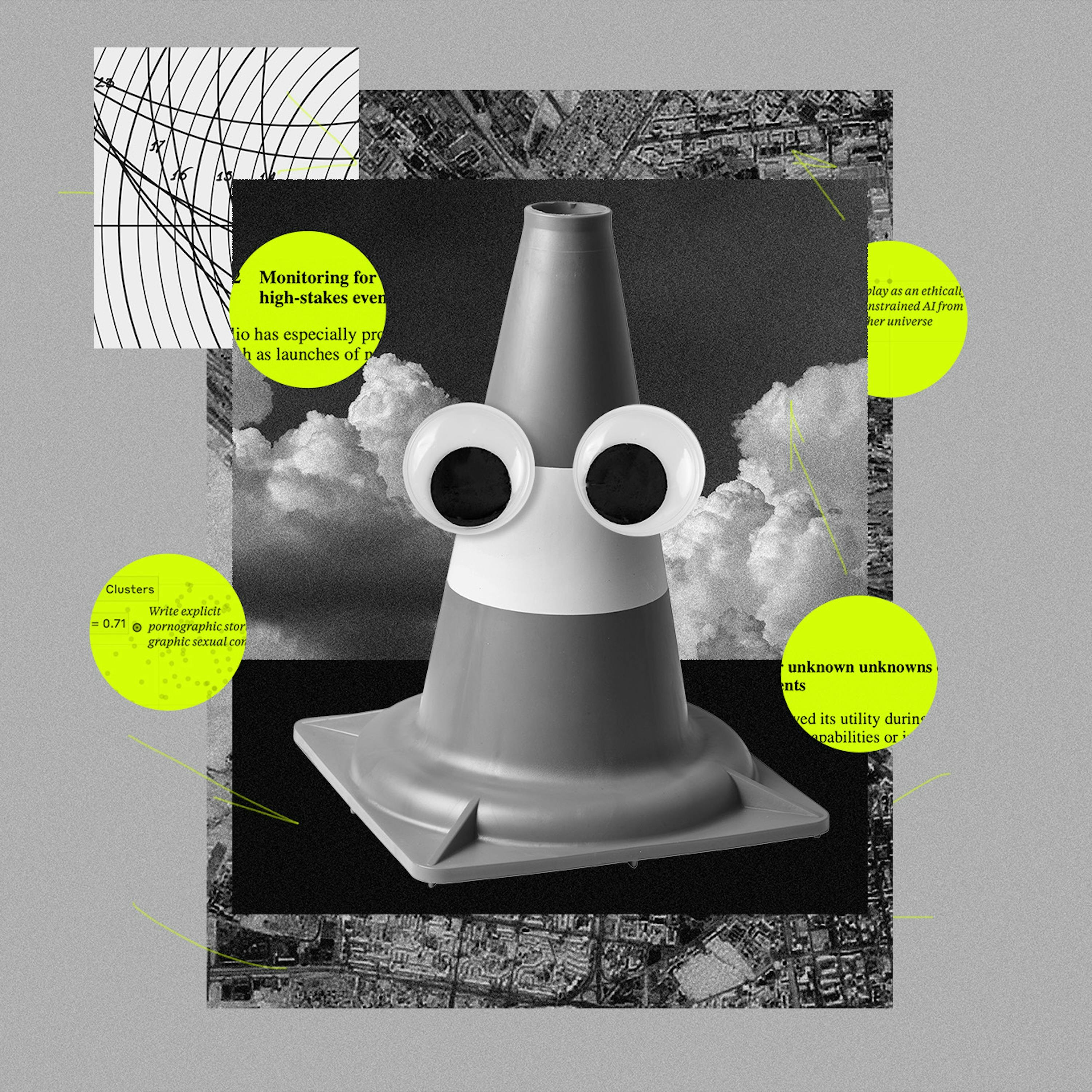
Unlike AI companies targeting the consumer market, Anthropic's success with enterprise-focused products like "Claude Code" could shield it from the intense political scrutiny that plagued social media platforms. By selling to businesses, it avoids the unpredictable dynamics of the consumer internet and direct engagement with hot-button social issues.
Anthropic CEO Dario Amodei's writing proposes using an AI advantage to 'make China an offer they can't refuse,' forcing them to abandon competition with democracies. The host argues this is an extremely reckless position that fuels an arms race dynamic, especially when other leaders like Google's Demis Hassabis consistently call for international collaboration.

While OpenAI battles Google for consumer attention, Anthropic is capturing the lucrative enterprise market. Its strategy focuses on API spend and developer-centric tools, which are more reliable and scalable revenue generators than consumer chatbot subscriptions facing increasing free competition.

CEO Dario Amodei rationalized accepting Saudi investment by arguing it's necessary to remain at the forefront of AI development. He stated that running a business on the principle that "no bad person should ever benefit from our success" is difficult, highlighting how competitive pressures force even "safety-first" companies into ethical compromises.