Get your free personalized podcast brief
We scan new podcasts and send you the top 5 insights daily.
A powerful hiring heuristic is to identify candidates who, looking back at their career, were consistently the primary reason for success in different environments. This signals extreme ownership and an ability to reinvent themselves, making them highly valuable assets for a scaling company.

Related Insights
Most founders hire senior talent by looking for a lack of weakness. A better approach is to first define the single most critical superpower the role requires. Then, search for a candidate who is a superstar at that one thing, even if they have deficiencies elsewhere.

Stop asking "how" to solve a problem and start asking "who" is the right person to solve it. Shifting your mindset to hiring A+ players who can take ownership of outcomes is the key to unlocking the next level of growth and freeing up your own time.

Instead of focusing solely on a candidate's current skills, Figma's CEO looks for their 'slope,' or their trajectory of rapid learning and improvement. This is assessed by analyzing their history of decision-making and growth mindset, betting on their future potential rather than just their present abilities.

To truly assess a candidate's agency, look for a continuous pattern of initiative and follow-through throughout their entire life, not just a single impressive example. Whether in school, personal projects, or previous jobs, consistent agency is a stronger signal than one standout achievement.

To make a hire "weird if they didn't work," don't hire for potential or vibe. Instead, find candidates who have already succeeded in a nearly identical role—selling a similar product to a similar audience at a similar company stage. This drastically reduces performance variables.

A person's past rate of growth is the best predictor of their future potential. When hiring, look for evidence of a steep learning curve and rapid progression—their 'slope.' This is more valuable than their current title or accomplishments, as people tend to maintain this trajectory.
Distinguish between candidates with 20 years of evolving experience versus those with one year of experience repeated 20 times. True expertise comes from continuous learning and development, not just tenure. This framework helps identify stagnant performers who may appear qualified on paper.

To assess a leader's ability to spot talent, Zipline asks about their past hires and looks them up on LinkedIn. A powerful positive signal is if the candidate's former reports have achieved massive success themselves, such as getting promoted five times and now leading a 5,000-person division.

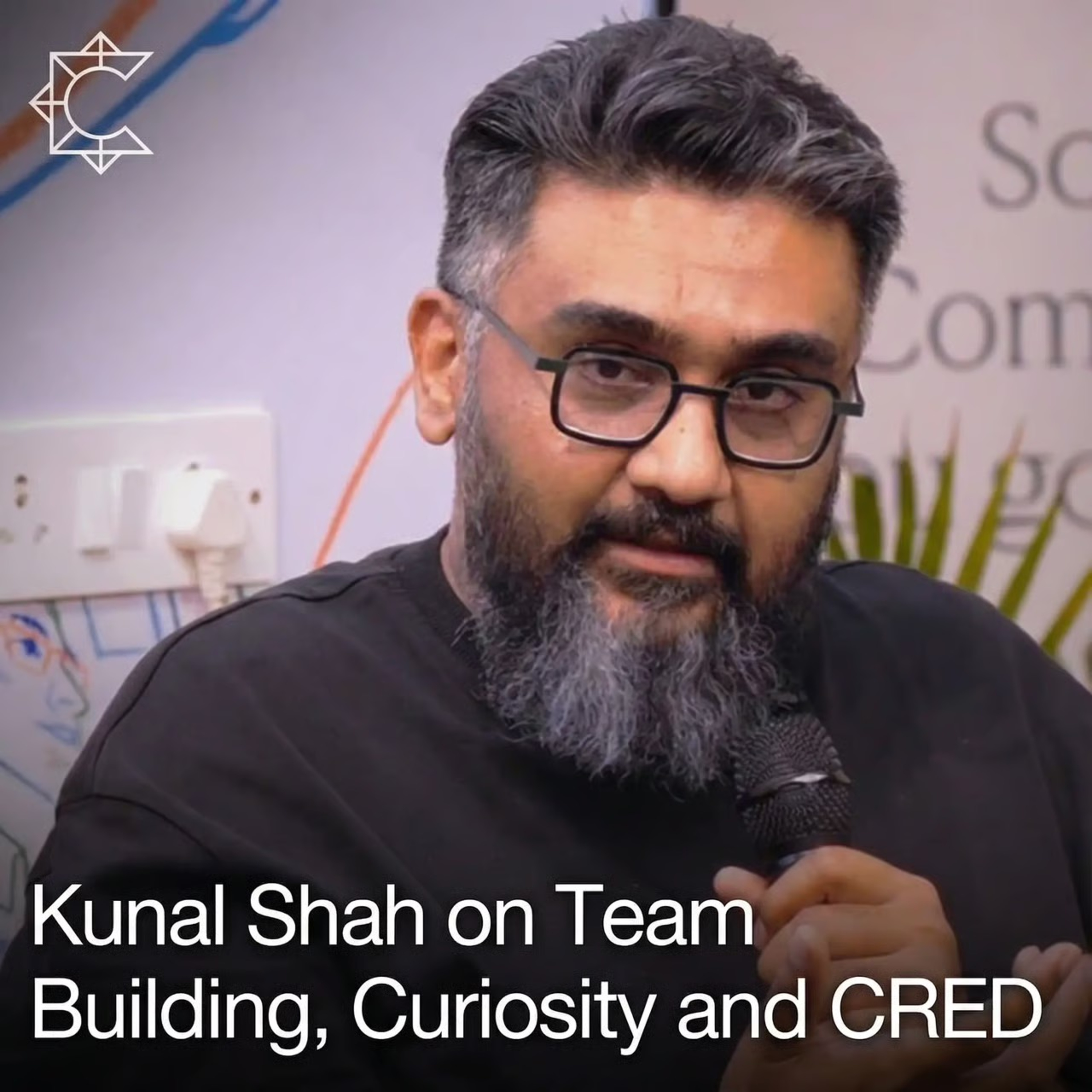
To scale a high-performing product team, hire individuals who exhibit the same level of ownership and love for the product as the original founders. This means prioritizing a blend of deep curiosity, leadership potential, and an unwavering commitment to execution over a simple skills checklist.

A CRO found 80% of hires based on deep industry experience failed. He now prioritizes candidates with a winning attitude, openness to change, and a history of solving complex problems in adjacent fields, valuing coachability over a seemingly perfect resume.