Get your free personalized podcast brief
We scan new podcasts and send you the top 5 insights daily.
Contrary to the 'hustle' mentality, sleep is not a sacrifice but a critical enabler of effective leadership. Founders must actively problem-solve their sleep habits, as it directly determines their ability to show up for their team and make sound decisions.

Related Insights
High-growth leaders often sacrifice self-care, thinking they're helping the team. This burnout degrades their patience, creativity, and decision-making. True leadership requires the discipline to protect personal time, as the team depends on a leader operating at their best.

Hustle culture falsely equates exhaustion with progress. In reality, a founder's ability to regulate their nervous system through intentional rest is their most important asset. It's the foundation of creativity and long-term sustainability. Entrepreneurs with strong boundaries will outlast those who run on adrenaline and caffeine.

Founders often equate constant hustle with progress, saying yes to every opportunity. This leads to burnout. The critical mindset shift is recognizing that every professional "yes" is an implicit "no" to personal life. True success can mean choosing less income to regain time, a decision that can change a business's trajectory.
Shifting your perspective to view sleep as the first step in preparing for tomorrow, rather than the last task of today, transforms it from a reactive afterthought into a proactive investment. This mindset encourages planning for quality rest, directly influencing next-day performance.

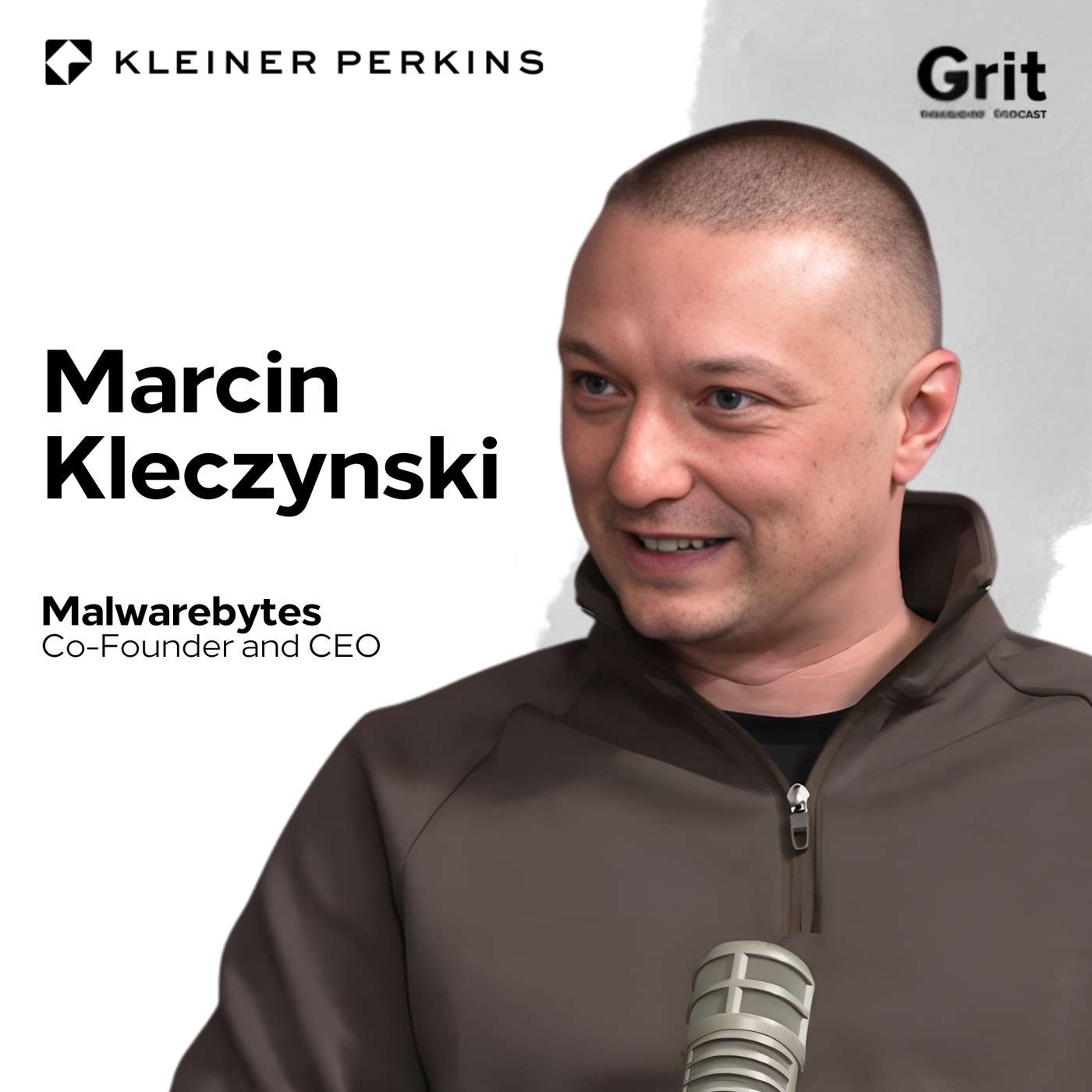
To last 18+ years as CEO, Marcin Kleczynski had to "settle in." He stopped pulling all-nighters, realizing that a few hours of sleep allowed him to solve complex problems in minutes that he had fruitlessly struggled with for hours while exhausted.
Daniel Lubetzky now sleeps 7-8 hours by maintaining a strict schedule, but he confesses this was impossible during Kind's intense growth phase. He calls the ability to prioritize sleep a "luxury," recognizing the survival-mode reality that forces founders into unhealthy habits to succeed.

Lyft's John Zimmer reflects that during intense growth periods, taking time for sleep and exercise felt selfish. He later learned that failing to prioritize his well-being actively hindered his ability to effectively lead and serve his team, customers, and investors.

Instead of asking, "Have I worked enough to deserve rest?", ask, "Have I rested enough to do my best work?" This shift reframes rest from a reward you must earn into a necessary input for quality, compassion, and higher-level thinking. When in a fight-or-flight state, you lack access to the brain regions required for your most meaningful work.
Biohacker Bryan Johnson directly challenges the "grind culture" belief that founders must sacrifice health and sleep for success. He argues this is a false narrative, stating that prioritizing high-quality sleep will make an individual a more effective leader, parent, and partner.

Instead of tackling complex goals directly, focus first on foundational "keystone habits" like sleep, exercise, and diet. These habits generate the necessary energy and motivation, making it significantly easier to achieve all other desired changes in life.
