Get your free personalized podcast brief
We scan new podcasts and send you the top 5 insights daily.
A Stripe-PayPal merger would likely only pass regulators under a Trump administration. Therefore, the decision is less about business synergy and more a political gamble on whether the short-term win is worth the inevitable, long-term congressional scrutiny under a future administration.

Related Insights
Stripe's potential acquisition of PayPal is driven by a desire to gain PayPal's strong consumer brand and access to customer bank accounts. This would let Stripe bypass expensive credit card interchange fees, a significant cost advantage that is more valuable than PayPal's technology.

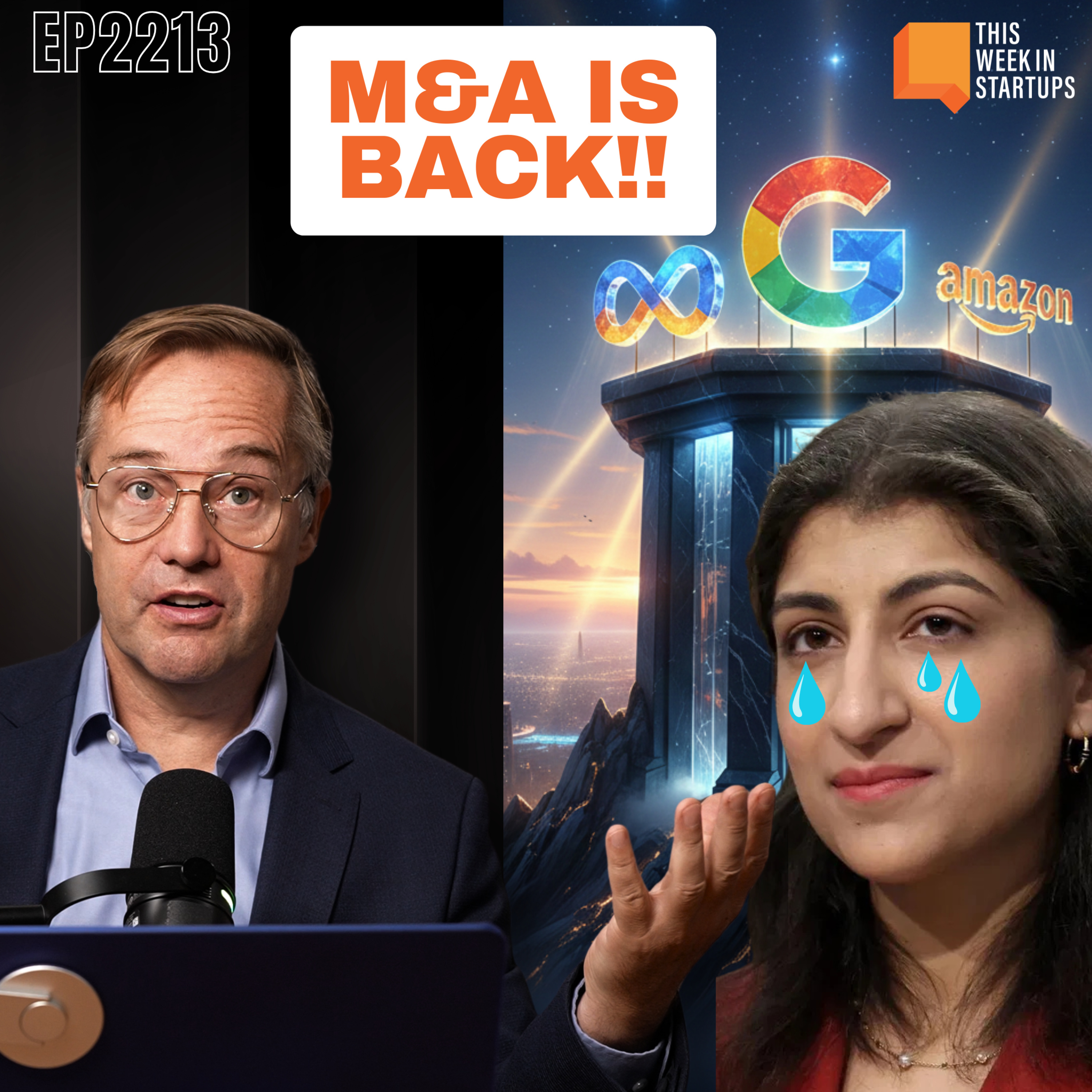
Recent antitrust lawsuits against Meta and Google resulted in minimal consequences ("nothing burgers"), signaling a more permissive regulatory environment. Combined with anticipated economic stimulus, this creates ideal conditions for a wave of large-scale M&A ($25B-$250B) among major tech companies in the coming year.
As traditional economic-based antitrust enforcement weakens, a new gatekeeper for M&A has emerged: political cronyism. A deal's approval may now hinge less on market concentration analysis and more on a political leader’s personal sentiment towards the acquiring CEO, fundamentally changing the risk calculus for corporate strategists.

Veteran advisor Bradley Tusk argues that successful startup lobbying is not about technology's merits, but about a politician's self-interest. The key is to demonstrate how approving the startup's agenda helps a politician win their next election, or how blocking it will hurt their chances.
Stripe is reportedly considering an acquisition of PayPal, which is trading down 85% from its peak despite strong cash flow and a massive user base. Such a deal would unite two payments behemoths, creating a powerful entity but also raising immediate and significant antitrust questions from regulators.

M&A activity is not constant; it ebbs and flows with the political climate. Administrations perceived as "anti-M&A" can significantly slow deals. Founders looking for a strategic acquisition should consider the current political cycle as a key factor in their exit timing.
Top tech leaders are aligning with the Trump administration not out of ideological conviction, but from a mix of FOMO and fear. In a transactional and unpredictable political climate, sticking together is a short-term strategy to avoid being individually targeted or losing a competitive edge.

When considering major media mergers, Donald Trump's decision-making is more likely to be swayed by a company's perceived strength and 'winner' status than by political loyalty. He disdains neediness, making a dominant player like Netflix more appealing than allies who appear thirsty for a deal.

Despite strategic assets, PayPal's "bloated organization" and slow decision-making culture pose a significant integration risk for a nimble, developer-first company like Stripe. This cultural mismatch, along with technical debt, could make a potential merger a nonstarter.
In its hostile takeover bid for Warner Bros., Paramount's key pitch for regulatory approval stems from its financing. The deal is funded by Trump-allied figures like Larry Ellison, Jared Kushner, and Middle Eastern sovereign wealth funds, creating a belief that a potential Trump administration would favor their acquisition over Netflix's.
