Get your free personalized podcast brief
We scan new podcasts and send you the top 5 insights daily.
Hormozi's book of unreleased chapters shows that content is often cut for reasons of fit, scope, or complexity, not because it lacks value. This material can be a source of deeper, more advanced knowledge for a dedicated audience, even if it's not essential for the core strategy.

Related Insights
To shape the narrative presented by AI, valuable content previously hidden behind lead-gen forms (like PDFs and whitepapers) must be made publicly accessible. LLMs cannot consume gated content, so making it public and structuring it for them is crucial for your value propositions to be accurately represented.

Instead of traditional marketing, using obscure channels forces your most dedicated fans to dig for information. This transforms them into evangelists who spread the word to the wider, more passive audience, creating an organic and powerful marketing engine built on scarcity and discovery.

Alex Hormozi cut a math-heavy chapter on customer acquisition from his main book because it "bogged down" too many readers. By moving this advanced content to a separate compilation, he preserved the accessibility of his core product while still serving a niche audience that values deep, technical analysis.
Alex Hormozi created what he calls one of his "most important chapters" on customer avatars only after his book was published. This was a direct response to audience questions, showing that post-launch user feedback is a crucial tool for identifying and developing your most vital concepts.
In an era of infinite, AI-generated content, physical info products (like Alex Hormozi's printed playbooks) have surged in value. Their tangibility signals curation and substance, making customers more likely to pay a premium and actually engage with the material compared to a folder of PDFs.

Instead of only planning future content, systematically tag every published piece with its topic, performance metrics, and the pain point it addresses. This creates a data-rich, reusable library that allows you to identify and remix your most successful content ideas.

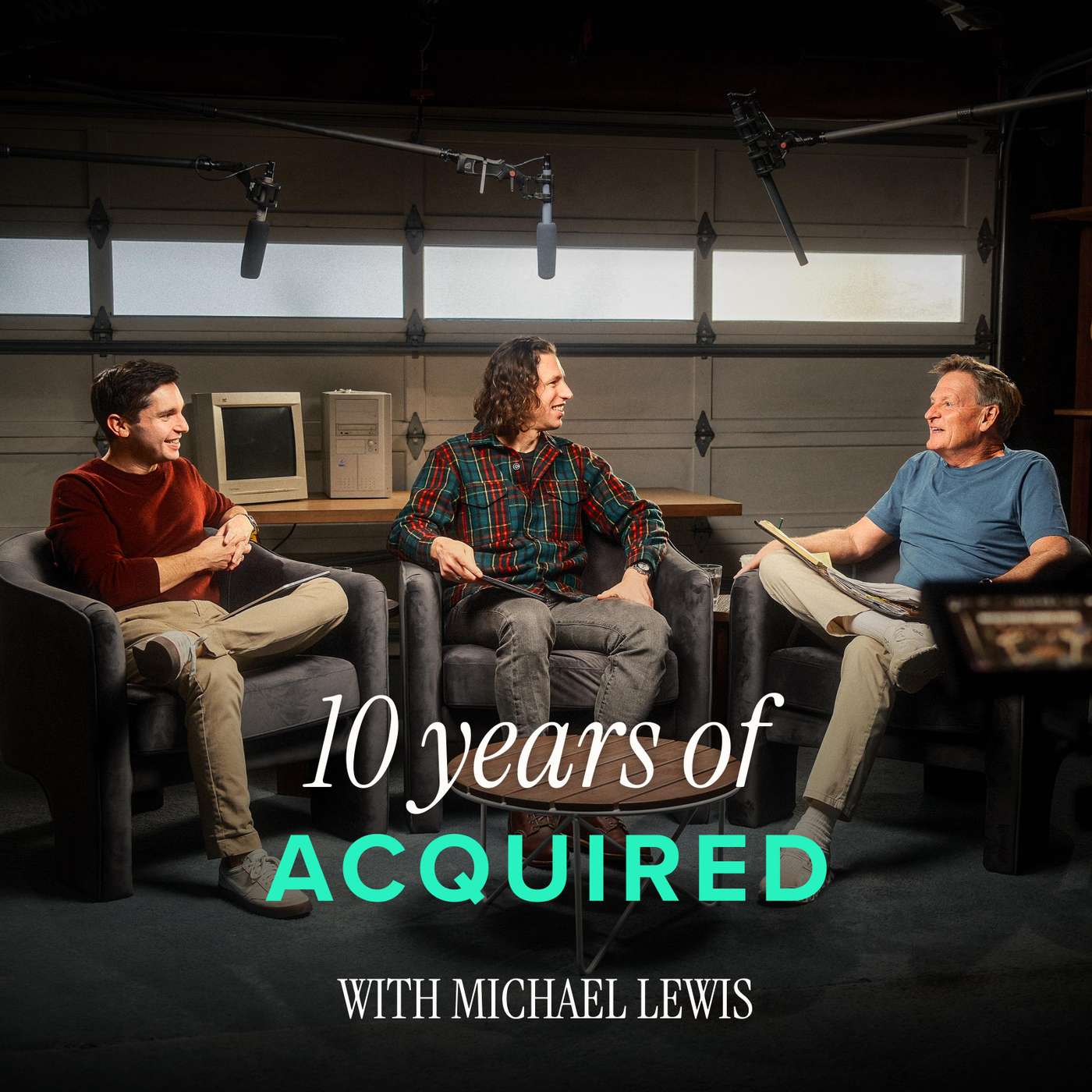
Episodes that underperformed with the general audience, like those on Nintendo or cricket, proved invaluable by attracting influential "superfans," including Meta executives and author Michael Lewis. This shows that catering to a passionate niche can yield more strategic value than broad, moderate appeal.
Identify an expert who hasn't written a book on a specific topic. Train an AI on their entire public corpus of interviews, podcasts, and articles. Then, prompt it to structure and synthesize that knowledge into the book they might have written, complete with their unique frameworks and quotes.

The standard 250-page book is often a relic of a publishing business model that equates physical weight with value, leading to padded content. This reveals an opportunity for concise, high-impact formats like "one-hour books" that respect the reader's time and the idea's natural length.

When writing his book, Steve Garrity hired a developmental editor who did more than proofread. The editor cut 40% of the text and restructured the entire story to begin at the emotional low point, rather than chronologically. This highlights that an editor's greatest value can be in re-architecting the narrative for maximum impact.