Get your free personalized podcast brief
We scan new podcasts and send you the top 5 insights daily.
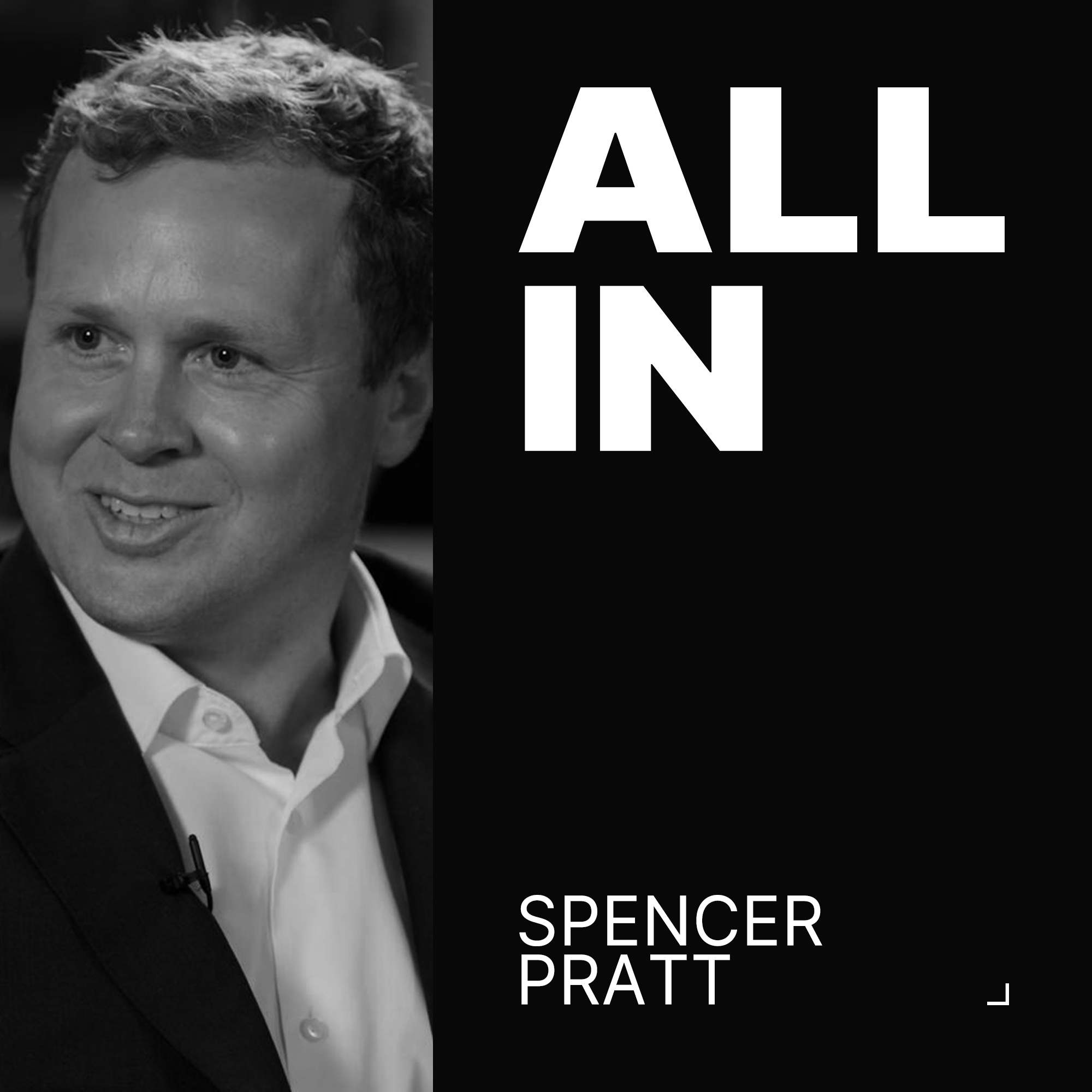
Spencer Pratt's debate readiness came not from traditional prep, but from months of adversarial media interviews where he was forced to be "bulletproof" with facts. This constant, real-world opposition proved more effective than simulated debate camps for a challenger.
Related Insights
Instead of waiting to be attacked for your weaknesses, preemptively address them yourself. By owning or diffusing the negative points first, you disarm your opponent, leaving them with nothing to say. This 'prebuttal' strategy seizes the narrative advantage by controlling the initial framing.

Spencer Pratt models his mayoral run on the Roman farmer Cincinnatus, who served his state in a crisis and then returned home. This "forward operating base" narrative of temporary civic duty, rather than a career change, effectively taps into public distrust of entrenched politicians.
To overcome his lack of government experience, Spencer Pratt plans to recruit highly successful private-sector leaders to run city departments for a nominal salary. This "dollar-a-year man" strategy aims to import corporate efficiency and operational excellence directly into municipal government.
Spencer Pratt's campaign gained massive traction not from his official ads, but from viral, emotionally-charged content created by unaffiliated supporters. This demonstrates that in modern politics, a genuine grassroots movement can cut through noise more effectively than a polished, top-down campaign.
When engaging with a vocal critic online, especially an influential one, the goal isn't to convert them. The strategic objective is to present your case for the "people on the fence" who are observing and might otherwise only hear the critic's unchallenged viewpoint.

Moving beyond passive consumption of information is key to deep understanding. The pressure of having to articulate a viewpoint out loud—whether in a meeting, on a podcast, or online—forces you to synthesize information, connect dots, and develop a true perspective.

You can prepare for spontaneity without scripting answers. Treat it like athletic training: run drills by practicing responses to potential questions or scenarios. The goal isn't to memorize lines but to build the mental agility and comfort needed to adapt and respond effectively in the moment.
Public figures are most vulnerable when they make short, context-free statements (e.g., on Twitter). The best defense is to articulate complex or controversial ideas in long-form formats like podcasts or essays. This surrounds the idea with its full context, making it much harder for critics to misinterpret or weaponize.

Based on military theory, the key to media dominance is speed. By observing, orienting, deciding, and acting (OODA) faster than your critics or competitors, you change the landscape before they can react. This forces them to constantly reset their process, leading to psychological breakdown and ceding control of the narrative to you.
A progressive candidate's campaign ad preemptively addresses all potential attacks against her, from being a "radical Democrat" to not taking PAC money. This mirrors the "8 Mile" rap battle tactic of owning your weaknesses to neutralize them as weapons for your opposition.
