Get your free personalized podcast brief
We scan new podcasts and send you the top 5 insights daily.
You can prepare for spontaneity without scripting answers. Treat it like athletic training: run drills by practicing responses to potential questions or scenarios. The goal isn't to memorize lines but to build the mental agility and comfort needed to adapt and respond effectively in the moment.
Related Insights
Amateurs wing it, but true professionals appear spontaneous because deep preparation gives them the mental capacity to be present, listen, and pivot. Over-rehearsing a script makes you sound robotic and prevents you from genuinely connecting with the audience or conversation partner.

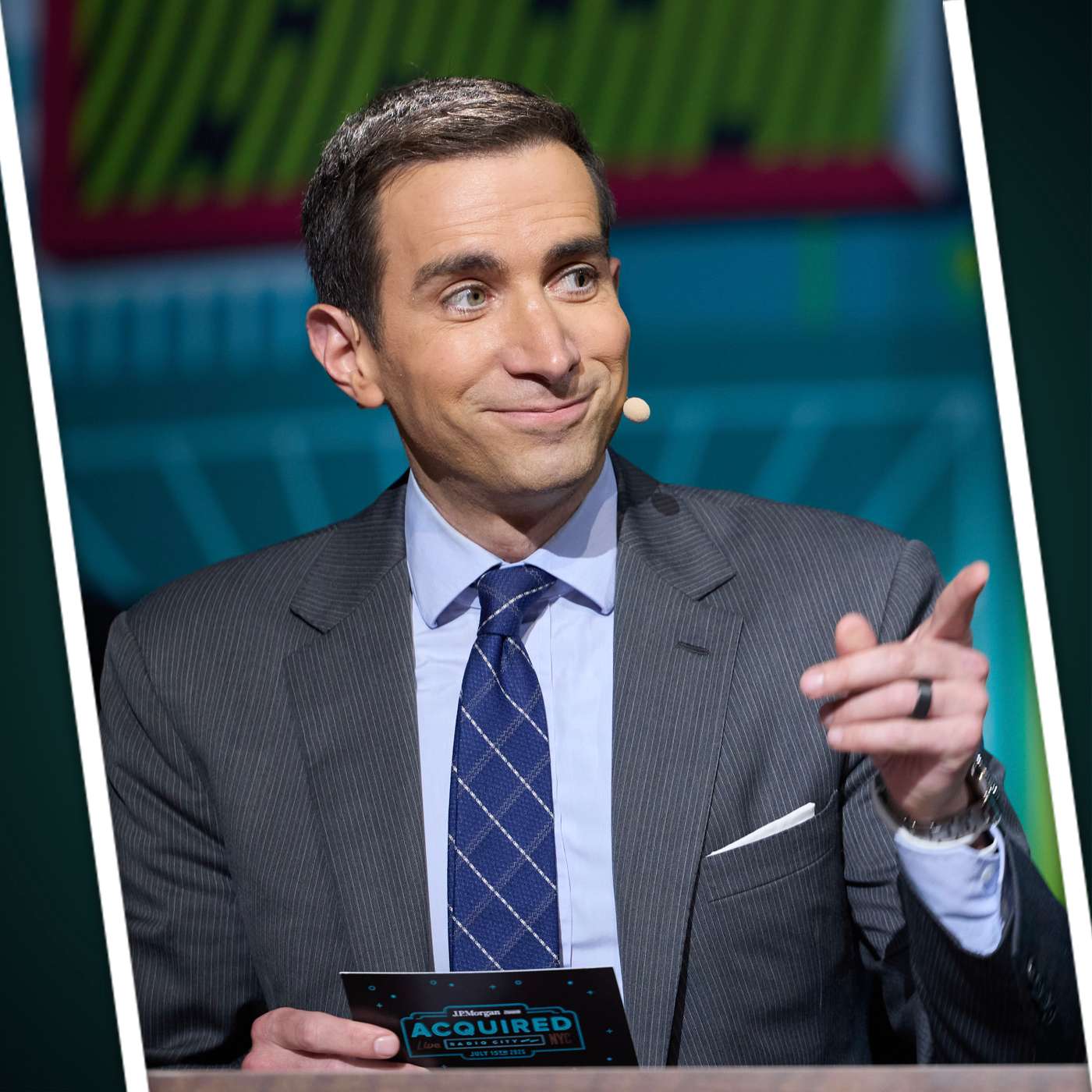
Sorkin prepares for interviews by mapping a "flight path"—knowing the start, end, and key topics. However, he expects "weather" (unexpected answers) to force diversions. This mental model provides structure while allowing the flexibility to listen and react, which is the key to a great interview.
Anxiety during spontaneous speaking often stems from worrying about future negative outcomes. To counter this, redirect your focus to present-oriented details, such as the other person's response or an object in the room. This shift reduces the cognitive load of self-judgment and fear.
For clear spontaneous communication, rely on a simple three-part structure instead of improvising from scratch. First state your idea (What?), then explain its relevance to the audience (So What?), and finally, outline the next steps (Now What?). This framework provides a reliable roadmap for any situation.
Rehearse difficult conversations by having an AI adopt the persona of your boss, partner, or employee. This allows you to practice your approach, refine your messaging, and anticipate reactions in a safe environment, increasing your confidence and effectiveness for the real discussion.

For high-stakes situations like interviews, your emotional state is more critical than your prepared strategy. Top performers use pre-game routines to get into a peak state. Develop your own pre-interview ritual—involving breath work, music, or visualization—to ensure you show up calm, clear, and confident.

If you get flustered or forget your point while speaking, deploy a pre-planned 'back pocket question' to the audience. This tactic shifts the focus away from you, buys you time to regroup, and makes you appear engaging rather than disorganized. For example: 'How can we apply this to what's coming up next?'
The inability to recall the perfect anecdote or fact in a high-pressure situation is not a memory failure. It is a mental "clench" that blocks the flow of information from your "library of experiences." The solution is counterintuitive: relax through focused breathing to unconstrict the mental funnel, allowing ideas to surface naturally.

Effective spontaneous responses require listening beyond just words. Use the 'Pace, Space, Grace' framework: slow down your urge to respond immediately (Pace), create mental distance to see the larger context (Space), and give yourself permission to trust your intuition about the situation (Grace).
To prepare for a difficult conversation with a key person (e.g., a parent or boss), first practice by having the same conversation with lower-stakes friends or colleagues. This "training" builds confidence and desensitizes you to the emotional charge of the topic.
