Get your free personalized podcast brief
We scan new podcasts and send you the top 5 insights daily.
Operating on platforms like TikTok reveals a stark contrast to the techno-optimism of 'Tech Twitter.' Mainstream audiences are often skeptical or angry about AI. This creates an opportunity for creators to intermediate, adding nuance and translating tech's potential benefits to a wary public.
Related Insights
The negative reaction to Sam Altman's "AI as a utility" comment highlights a deeper issue. The public's growing unease is fueled by a long-simmering disdain for figureheads like Altman and Musk, making the messenger, not just the message, a critical PR challenge for the AI industry.

While celebrating AI advancements, the host deliberately pauses to acknowledge real-world negative consequences like job insecurity. This balanced perspective, which touches on the impermanence of life, builds audience trust and demonstrates responsible leadership in the tech community.

The widespread belief that social media made the world worse, despite initial optimism, has eroded public trust in technology as inherent progress. This "hangover" from the last tech wave creates a default environment of skepticism for AI, making positive perception significantly more challenging.

Creators universally love reliable, single-purpose AI tools (e.g., audio enhancement). They're excited but frustrated by agentic editors like co-pilots. However, they express visceral hatred for hyped, unreliable generative video models.
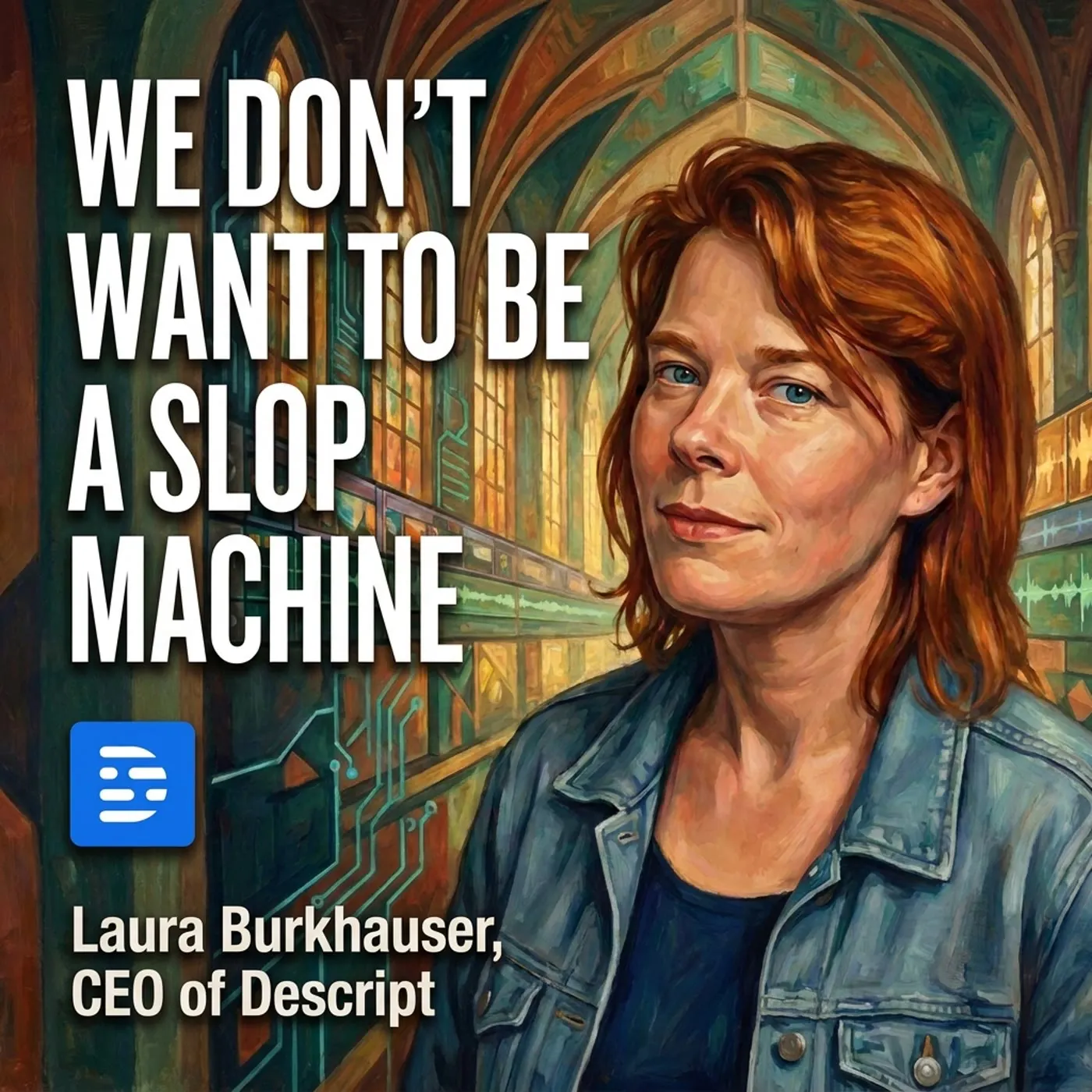
Public and expert opinions on AI are split between two extremes: it will either save humanity or destroy it. There is a notable absence of a moderate, middle-ground perspective, which is a departure from how previous technological shifts like the internet were discussed.

Public opposition to AI is rising because the industry has focused on dystopian warnings and abstract potential while failing to communicate tangible benefits to the average person. Unlike social media, which offered immediate gratification, AI's value proposition is unclear to many, making them receptive to negative narratives.
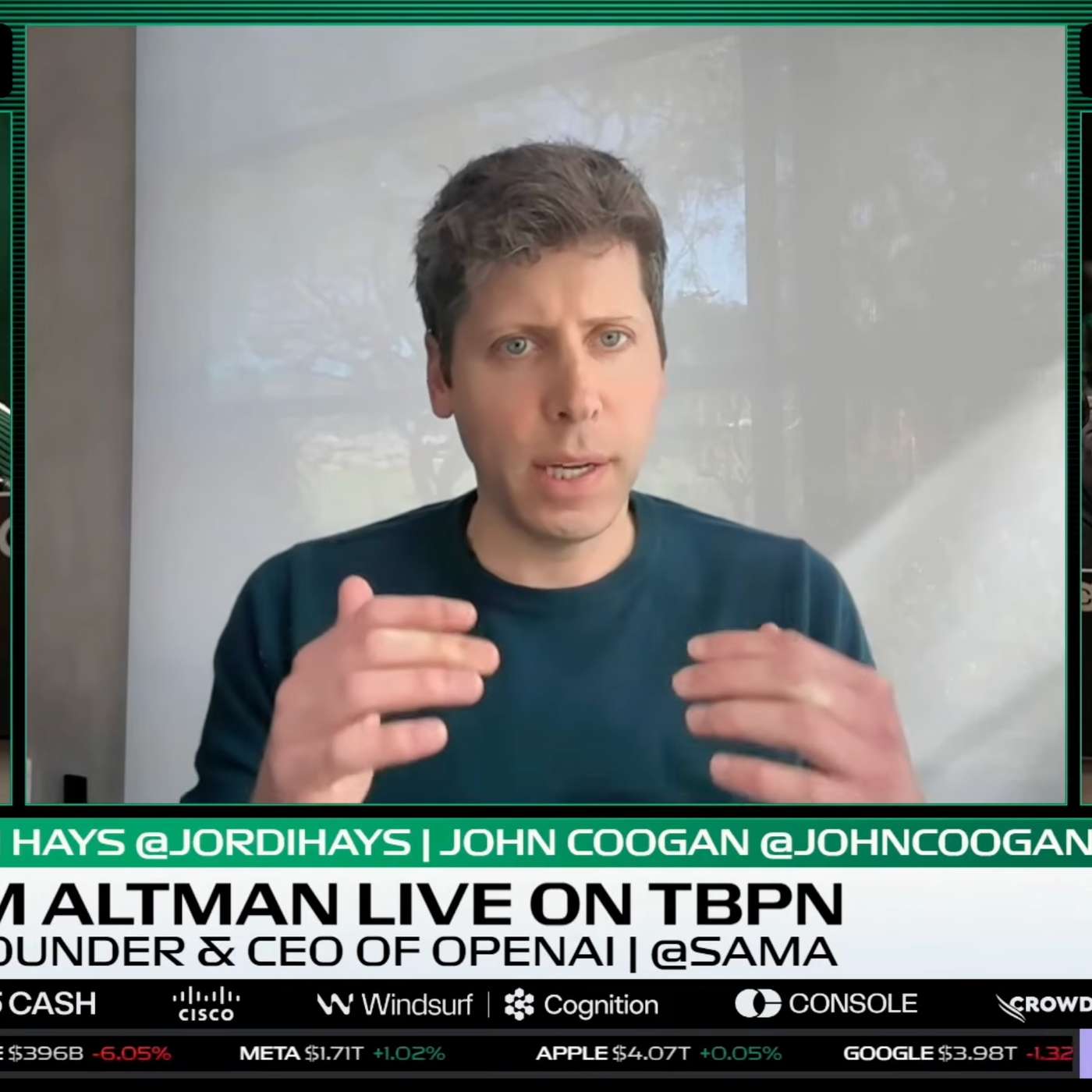
Sam Altman observes an asymmetry in AI-generated media: users love creating personalized content with tools like Sora, but show little interest in consuming AI content made by others. This creator-consumer gap is a key hurdle for generative AI as a mainstream entertainment medium.
The tech industry believes better marketing can solve AI's unpopularity. However, the public's negative experiences and the feeling of being dehumanized into data are the real issues. You cannot advertise people out of their own lived experiences, revealing a fundamental disconnect between tech and society.
AI leaders' messaging about world-ending risks, while effective for fundraising, creates public fear. To gain mainstream acceptance, the industry needs a Steve Jobs-like figure to shift the narrative from AI as an autonomous, job-killing force to AI as a tool that empowers human potential.

AI leaders often use dystopian language about job loss and world-ending scenarios (“summoning the demon”). While effective for fundraising from investors who are "long demon," this messaging is driving a public backlash by framing AI as an existential threat rather than an empowering tool for humanity.
